






From Seasonal Path to Permanent Artery
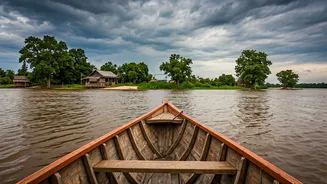
For decades, communities in the Kathua district of Jammu and Kashmir relied on a temporary solution: a floating pontoon bridge across the Ravi River. Every year, as the monsoon rains swelled the river, this vital link to the neighboring state of Punjab
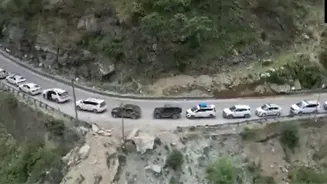
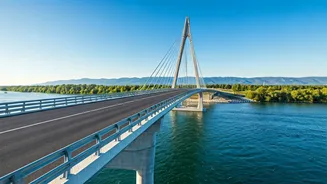
was dismantled for safety, effectively cutting off direct access for months. This seasonal disruption meant a grueling, roundabout journey of nearly 50 kilometers for what should have been a short hop. Farmers couldn't get goods to market, students struggled to reach schools, and families were separated by the unpredictable waters. The completion of the new Keediyan-Gandial bridge, a permanent, 1.2-kilometer all-weather structure, changes everything. What was once a seasonal, precarious crossing is now a reliable, year-round artery, operational 24/7 regardless of the weather. This isn't just an upgrade; it's a fundamental transformation of daily life and commerce for over 200,000 people living in the border areas.
The Strategic Importance of a Simple Bridge
To understand why this bridge matters beyond local convenience, you have to look at a map. The Jammu region sits in a highly sensitive geopolitical area, sharing a border with Pakistan. In this context, infrastructure is never just about civilian use. The bridge was constructed by the Border Roads Organisation (BRO), a specialized force in India tasked with building and maintaining road networks in the country's most challenging and strategic border zones. For the U.S., think of them as a hybrid of the Army Corps of Engineers and a Department of Transportation, but operating in the Himalayas. An all-weather bridge ensures the swift and seamless movement of military troops, equipment, and supplies to forward posts along the border. The old pontoon system was a logistical bottleneck and a strategic vulnerability. This new, robust bridge strengthens India's defense posture in the region, ensuring its military can respond and mobilize efficiently, no matter the season.
An Engine for Economic Growth
Beyond its military significance, the Ravi bridge is a critical piece of economic infrastructure. By providing a dependable link between the agricultural heartlands of Kathua and the markets of Punjab, it unlocks immense potential. Local farmers can now transport their produce quickly and cheaply, reducing spoilage and increasing their profits. This connectivity also encourages other forms of economic activity, from small-scale trade to potential tourism. The Jammu and Kashmir region is renowned for its stunning natural beauty, but its development as a tourist destination has been hampered by instability and poor infrastructure. Projects like this bridge are part of a concerted effort by the Indian government to change that narrative by making the region more accessible, stable, and economically integrated with the rest of the country. Easier travel means more visitors, more investment, and more opportunities for locals beyond subsistence agriculture.
A Blueprint for Regional Transformation
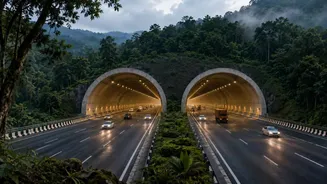
The Ravi bridge is not an isolated project. It's a key component of a massive, multi-billion-dollar infrastructure push across Jammu and Kashmir. This initiative includes the construction of strategic tunnels that bypass treacherous mountain passes, the widening of national highways into expressways, and the development of new railway lines. The Zoji-la Tunnel, for example, will provide all-weather connectivity to the remote region of Ladakh, another strategic border area. For the Indian government, these projects serve a dual purpose. They are designed to physically and economically bind the historically tumultuous region closer to the national mainstream while simultaneously bolstering the country's defense capabilities. Each new road, tunnel, and bridge is a deliberate step in a grander strategy to pacify, develop, and secure India's northern frontiers.