






The End of 'Water-Tok' Exhaustion
If you’ve spent any time on wellness-focused social media, you know the drill. Gleaming, gallon-sized water bottles marked with motivational time-stamps. Powders and drops that promise to make your water 'work harder.' Influencers dutifully chugging H2O
on camera, a joyless chore disguised as self-care. This is the era of 'Water-Tok,' a subgenre of content obsessed with the sheer volume of water consumed, often at the expense of common sense or enjoyment. The 'eight glasses a day' rule, a guideline with surprisingly flimsy scientific origins, became a rigid commandment. Hydration was framed as a problem to be solved through brute force. The result? A culture of obsessive tracking that often ignores a crucial fact: our bodies are not all the same, and our hydration needs change with the weather, our activity level, and even the food we eat. It was a movement that was more about aesthetics and consumerism—buy the bottle, buy the flavor packet—than about holistic health. The conversation became stale, leaving many people feeling either guilty for failing to keep up or just plain bored.
An Ayurvedic Philosophy of Fluids
Enter the wisdom of a 5,000-year-old system of medicine: Ayurveda. In this traditional Indian practice, hydration isn't a numbers game; it's a dynamic, mindful ritual. The focus shifts from *how much* you drink to *how, when, and what* you drink. Ayurveda teaches that the body's needs are unique and that fluids should be consumed in a way that supports digestion and balances your internal state, or 'dosha.' One of its most counter-intuitive (to Western ears) principles is the preference for warm or room-temperature water over ice-cold beverages. The logic is that cold water can constrict blood vessels and dampen the 'agni,' or digestive fire, making it harder for your body to process food and absorb nutrients. Sipping warm water throughout the day, sometimes infused with gentle spices like ginger or cumin, is believed to aid digestion, improve circulation, and help the body gently detoxify. This isn't about chugging a gallon before noon; it's about integrating hydration seamlessly and supportively into your body’s natural rhythms.
The Cooling Power of Nature's Pantry
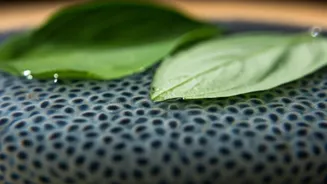
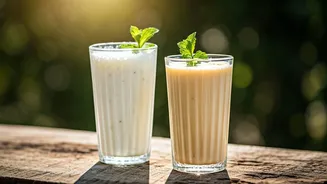
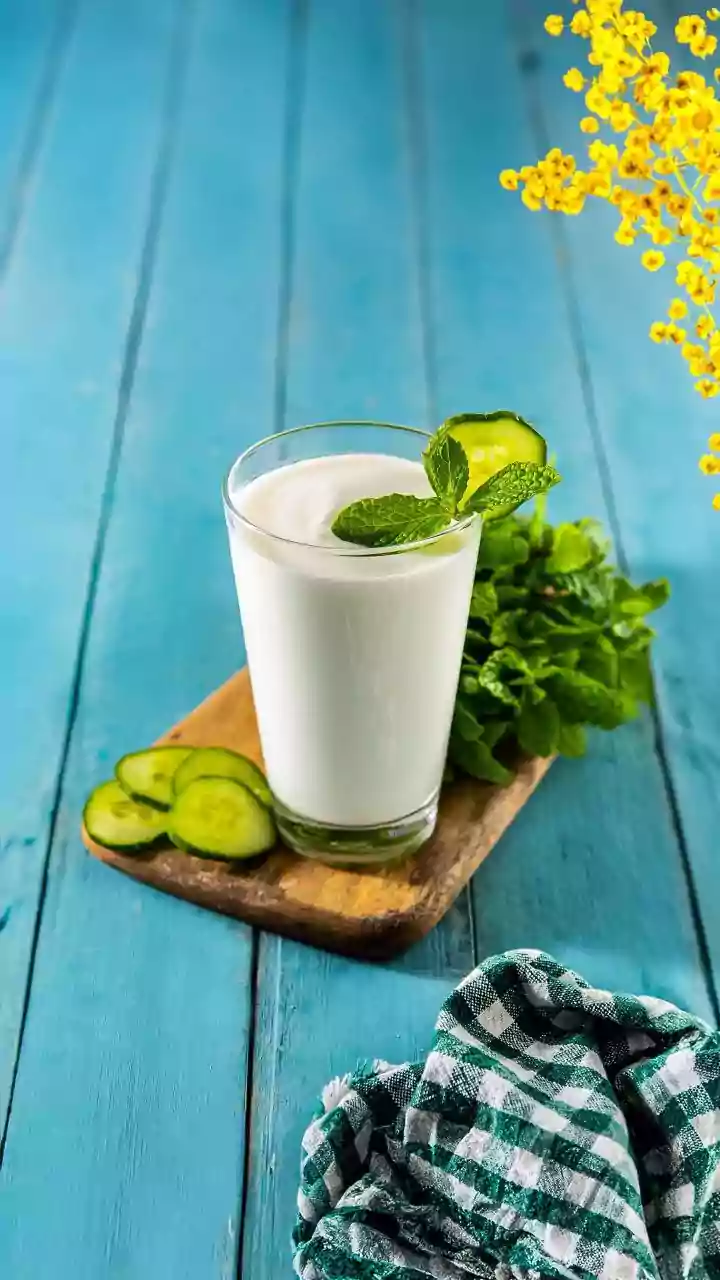
Where this approach truly comes alive is in the vast and delicious world of Indian drinks and ingredients, designed for centuries to combat the country’s intense heat. These aren't just flavored waters; they are complex, functional beverages. Consider sabja seeds (a type of basil seed similar to chia), which plump up in water to create a gelatinous, cooling drink that’s rich in fiber. Or vetiver (khus), a fragrant grass root whose earthy essence is infused into water to provide a naturally cooling effect. Then there are the beloved yogurt-based drinks. A salty, spiced lassi or a thinner, buttermilk-like chaas not only hydrates but also replenishes electrolytes and delivers a dose of probiotics for gut health. On a hot day, a glass of nimbu pani—fresh lime juice with salt, a pinch of sugar, and sometimes roasted cumin—is the ultimate hydrator, far more effective at replacing lost salts than plain water. These drinks recognize that true hydration involves minerals, nutrients, and cooling properties, not just water itself.
More Than a Trend, It's a Ritual
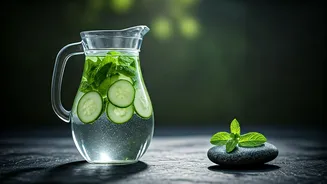
What makes this Indian-inspired hydration philosophy so compelling is its departure from the prescriptive, one-size-fits-all model. It encourages you to listen to your body. Are you feeling overheated? Try a cooling cucumber and mint-infused water. Is your digestion sluggish? Sip on warm ginger tea. It transforms hydration from a mindless task into a moment of self-awareness and care. This isn't about demonizing plain water or throwing out your favorite bottle. It's about expanding the toolkit. By incorporating these time-tested principles, hydration becomes less about hitting a target and more about achieving balance. It’s an invitation to see the liquids we consume not as mere fuel, but as an integral part of a delicious, joyful, and deeply personal wellness practice.