






An Oasis in the Desert State
For most Americans, Rajasthan conjures images of sand dunes, ancient forts baked by a relentless sun, and the vibrant colors of cities like Jaipur and Jodhpur. It’s India’s iconic desert state. Yet, nestled in the Aravalli Range is an anomaly: Mount Abu.
This plateau, perched at 4,000 feet, serves as the state's sole hill station—a term coined during the British Raj for high-altitude towns used to escape the searing summer heat. But while it offers a pleasant climate year-round, its true magic isn’t found under a clear blue sky. The secret to its rising popularity among couples lies in the one season many travelers are conditioned to avoid: the monsoon.
The Magic of the Monsoon
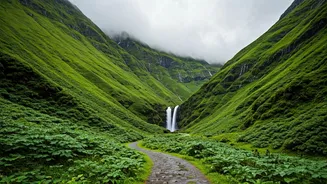
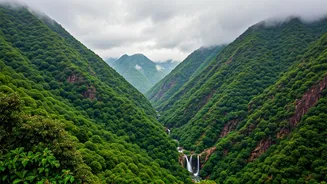
From July to September, the monsoon rains sweep across India. In many regions, this means flooding, humidity, and travel disruptions. In Mount Abu, it’s an atmospheric spectacle. The parched landscape erupts into a thousand shades of green. Clouds descend upon the town, draping the hills in a thick, romantic fog that can reduce visibility to a few feet, creating a sense of cozy isolation. Small, seasonal waterfalls cascade down rock faces, and the air grows crisp and clean. This isn't just rain; it's a complete environmental transformation that turns the entire town into a moody, ethereal backdrop perfect for two. The sound of rain on the roof of a heritage hotel and the scent of wet earth become the defining sensory experiences.
Romance on Nakki Lake
At the heart of Mount Abu lies Nakki Lake, a man-made body of water steeped in local legend. On a typical day, it’s a lovely spot for a paddleboat ride. During the monsoon, it’s something else entirely. As mist rolls over the water's surface, the surrounding hills and peculiar rock formations (like the famous Toad Rock) fade in and out of view. Couples take to the water in swan-shaped boats, gliding silently through the fog. The experience is less about sightseeing and more about sharing a quiet, intimate moment, seemingly cut off from the rest of the world. The walking path around the lake becomes a popular route for hand-in-hand strolls, with vendors selling roasted corn on the cob—a classic Indian monsoon snack.
Views From a Different Perspective
Mount Abu has no shortage of viewpoints, but the monsoon redefines what you see. Guru Shikhar, the highest point in the Aravalli Range, offers a panoramic vista that, on a clear day, stretches for miles. During the monsoon, the view is often a sea of white clouds, giving you the feeling of standing above the heavens. It’s a humbling, almost spiritual experience. Similarly, Sunset Point, typically mobbed for its view of the setting sun, offers a different kind of drama. Watching the clouds shift and glow with the diffused light of the hidden sun creates a subtler, more painterly spectacle. For couples, these moments are less about the perfect photograph and more about witnessing nature's powerful, unpredictable beauty together.
More Than Just Misty Hills
While the atmosphere is the main draw, Mount Abu’s appeal isn't purely meteorological. The town is home to the Dilwara Temples, a complex of five Jain temples built between the 11th and 13th centuries. Carved entirely from white marble, their intricate detail is considered among the finest in the world, rivaling the Taj Mahal in its craftsmanship. Exploring these cool, quiet halls offers a serene counterpoint to the wild weather outside. The blend of stunning natural beauty, romantic seclusion, and profound cultural history gives Mount Abu a depth that many other resort towns lack, making it a destination that nourishes the spirit as well as the relationship.