



An Ancient History, Not a Modern Fad
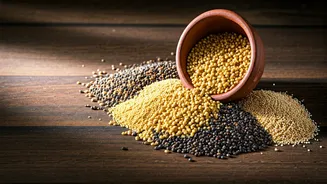
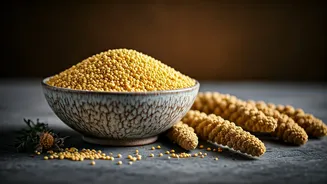
Before you lump millet in with fleeting superfoods, consider this: it’s one of the oldest cultivated grains in human history. While quinoa had its mainstream moment in the 2010s, millet has been a staple food source for civilizations in Asia and Africa
for nearly 10,000 years. It predates many of the grains we consider fundamental to our diets, including rice in some regions. This isn't a lab-grown novelty or a forgotten plant suddenly rediscovered by wellness influencers. It's a foundational pillar of global agriculture that fed empires and sustained communities long before the concept of a 'food trend' ever existed. Its resurgence isn't the birth of something new, but a long-overdue return to relevance in the Western world.
The Ultimate Climate-Smart Grain
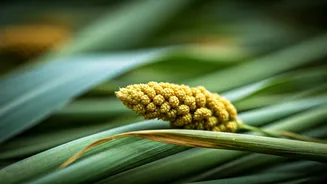
In an era of increasing climate anxiety and pressure on global food systems, millet’s agricultural profile is its superpower. Often called a “climate-smart” crop, millet is remarkably resilient. It requires significantly less water than wheat, rice, or corn, making it a viable crop in arid regions facing drought. It has a short growing season, can thrive in poor soil without heavy fertilizers, and is naturally resistant to many pests. For this reason, the United Nations declared 2023 the “International Year of Millets,” aiming to raise awareness of its role in tackling food insecurity and promoting sustainable agriculture. Unlike water-intensive crops that strain resources, millet offers a practical, scalable solution. Its staying power is directly tied to its ability to solve some of the most pressing agricultural challenges of our time.
Beyond the Bird Feeder
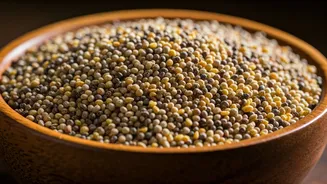
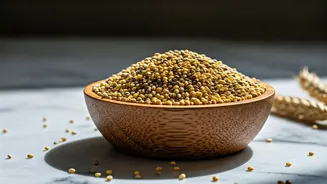
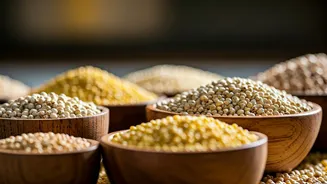
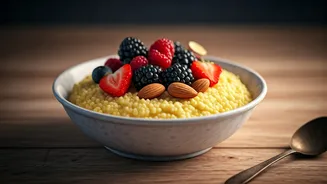
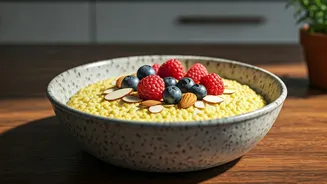
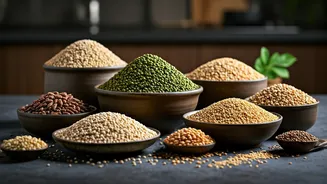
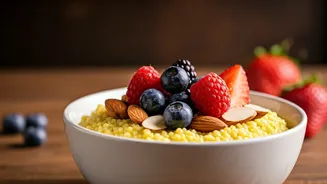
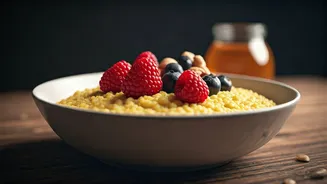
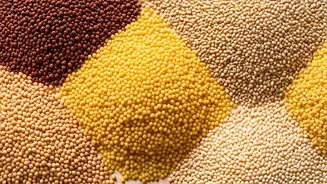
For many Americans, the primary association with millet is birdseed. It’s an unfortunate misconception that has kept this powerhouse grain out of kitchens for decades. Nutritionally, millet is a star. It’s naturally gluten-free, making it a fantastic option for those with celiac disease or gluten sensitivity. It’s also packed with fiber, protein, and essential minerals like magnesium and phosphorus. But health benefits alone don’t guarantee staying power. Millet’s true promise lies in its culinary versatility. It has a mild, slightly nutty flavor that makes it a blank canvas. It can be cooked into a fluffy, couscous-like side dish, a creamy porridge akin to oatmeal, popped like corn for a crunchy snack, or ground into flour for baking everything from flatbreads to pancakes. This adaptability is what chefs and home cooks are now embracing, moving millet from a niche health food to a versatile pantry staple.
From Staple Food to Culinary Darling
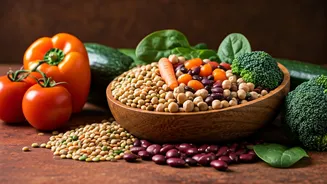
The final piece of the puzzle is cultural and culinary adoption. Millet is no longer just relegated to the bulk bins of health food stores. Acclaimed chefs are championing it for its texture, flavor, and story. You’ll find it in savory grain bowls at fast-casual eateries, as a base for inventive porridges on brunch menus, and even featured in fine dining restaurants as a sophisticated, gluten-free alternative to traditional starches. This top-down acceptance from the culinary world provides a powerful trickle-down effect, inspiring home cooks to experiment. When a food is both a practical solution for global agriculture and a celebrated ingredient in the world’s best kitchens, it has a foundation that trends can’t shake. It's becoming part of a new, more diverse, and more sustainable culinary vocabulary.