


More Than Just 'Useful'
When we hear “functional design,” it’s easy to picture sterile, utilitarian spaces devoid of personality. But for today’s young professionals, function is the new luxury. It’s not about stripping away beauty; it’s about embedding purpose into every object
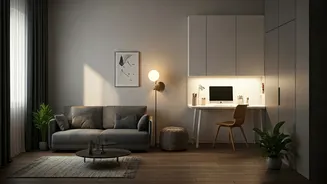
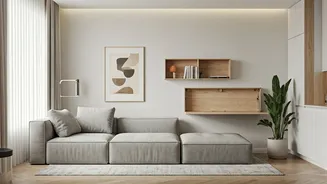
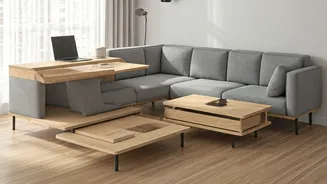
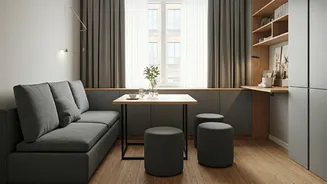
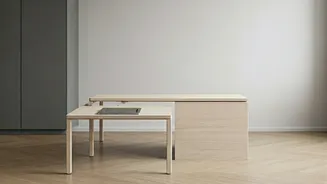
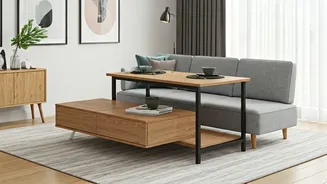
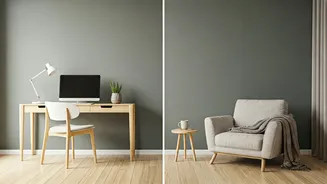
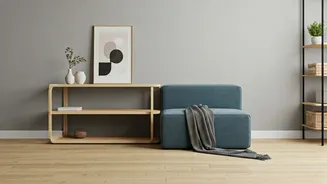
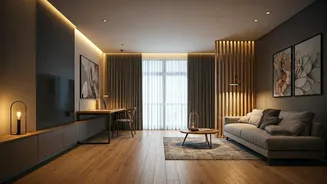
and every square foot. Think of a coffee table that rises to become a dining table or a desk. Picture a sleek, modular sofa with hidden storage compartments underneath. Or consider a wall-mounted shelving system that can be reconfigured as needs change. This approach, often borrowing from Scandinavian and Japanese minimalism, prioritizes clean lines, durable materials, and an intelligent use of space. The aesthetic is calm and collected, creating a sense of order in a world that often feels chaotic. The core principle is simple: if it doesn't serve a clear purpose—or multiple purposes—it doesn't belong.
The Squeeze of Modern Economics
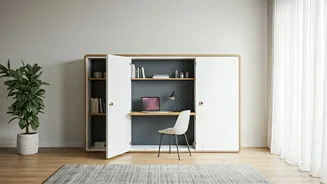
This design shift isn't happening in a vacuum. It’s a direct response to the economic realities facing many Millennials and older members of Gen Z. Saddled with student loan debt and facing sky-high housing costs, many young professionals are living in smaller apartments and co-living spaces where every inch counts. The sprawling suburban home with a formal dining room, a guest room, and a “den” is an out-of-reach dream for many. Instead, a 700-square-foot apartment has to function as a home, an office, a gym, and a place to entertain. In this context, functional design isn’t a minimalist fad; it’s a survival strategy. A murphy bed that folds away to reveal a desk isn’t just clever—it’s the key to having both a bedroom and a workspace. This economic pressure forces a re-evaluation of what’s truly essential, pushing decorative, space-consuming items to the bottom of the priority list.
A New Set of Values
Beyond the financial constraints, the move toward functionalism reflects a deeper, generational shift in values. After growing up surrounded by the consumer culture of the ‘90s and 2000s, many are now actively rejecting the “more is more” ethos. This manifests as a preference for sustainability and mindful consumption. Instead of buying cheap, disposable furniture that will end up in a landfill, there’s a growing interest in investing in well-made, versatile pieces that will last. This mindset champions quality over quantity. Furthermore, there's a psychological element at play. For a generation that came of age with digital clutter and constant connectivity, an organized, uncluttered physical space can be a sanctuary. It’s a way to exert control and create a peaceful environment, a stark contrast to the often-overwhelming digital world.
The Work-From-Home Revolution
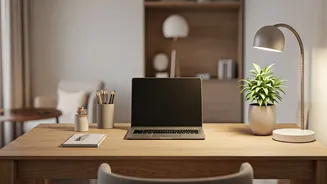
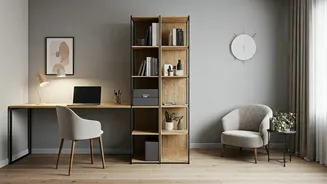
If economic pressures lit the fuse, the pandemic-era shift to remote and hybrid work was the explosion. Suddenly, the home wasn’t just a place to relax after work; it *was* the workplace. The dining table became a permanent desk, the bedroom corner a backdrop for Zoom calls, and the living room a makeshift conference area. This pivot cemented the need for functional, adaptable living spaces. A home office can no longer be an afterthought. It needs proper ergonomics, good lighting, and the ability to be 'put away' at the end of the day to restore a sense of work-life balance. This has accelerated the demand for multi-purpose furniture and smart design solutions that allow for seamless transitions between living, working, and relaxing, all within the same four walls. The home is now a flexible hub, and its design must reflect that new reality.