


What Exactly Is ‘Gut Fitness’?
Think of fitness as the body’s ability to perform well and recover from stress. ‘Gut fitness’ applies the same logic to your digestive system. It’s not just about avoiding bloating or indigestion; it’s about cultivating a gut microbiome that is diverse,
resilient, and robust. A ‘fit’ gut can better handle an occasional inflammatory meal, fend off harmful bacteria, and efficiently extract nutrients from your food. Dietitians are using this term to shift the conversation from a passive state (‘gut health’) to an active, trainable goal. Just as you train your muscles with different exercises, you can train your gut by feeding it a wide range of foods.
The Science of a Diverse Plate
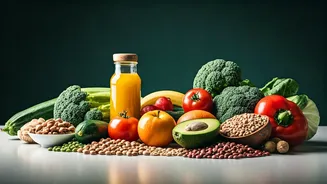
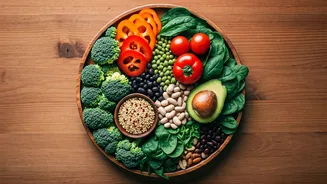
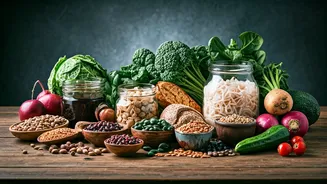
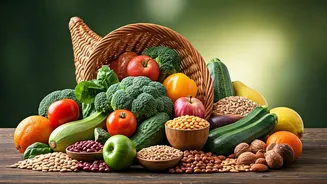
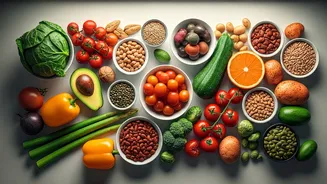
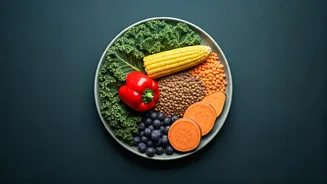
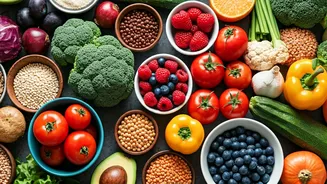
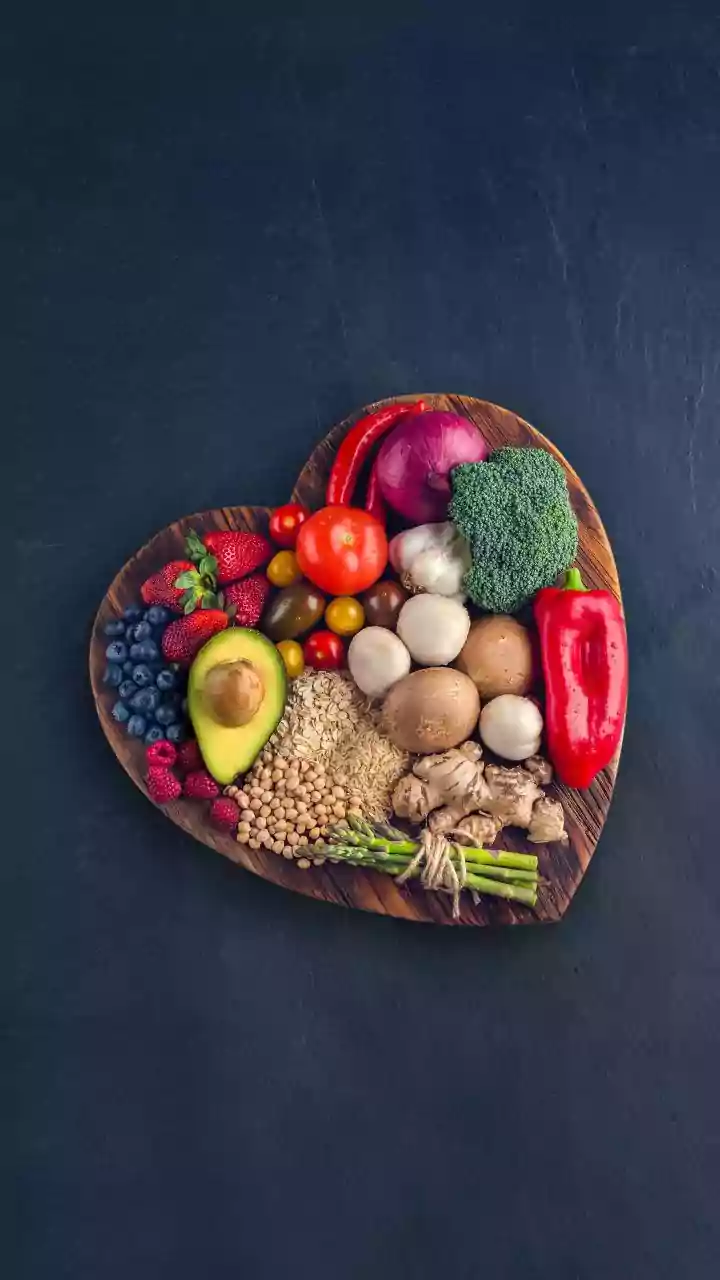
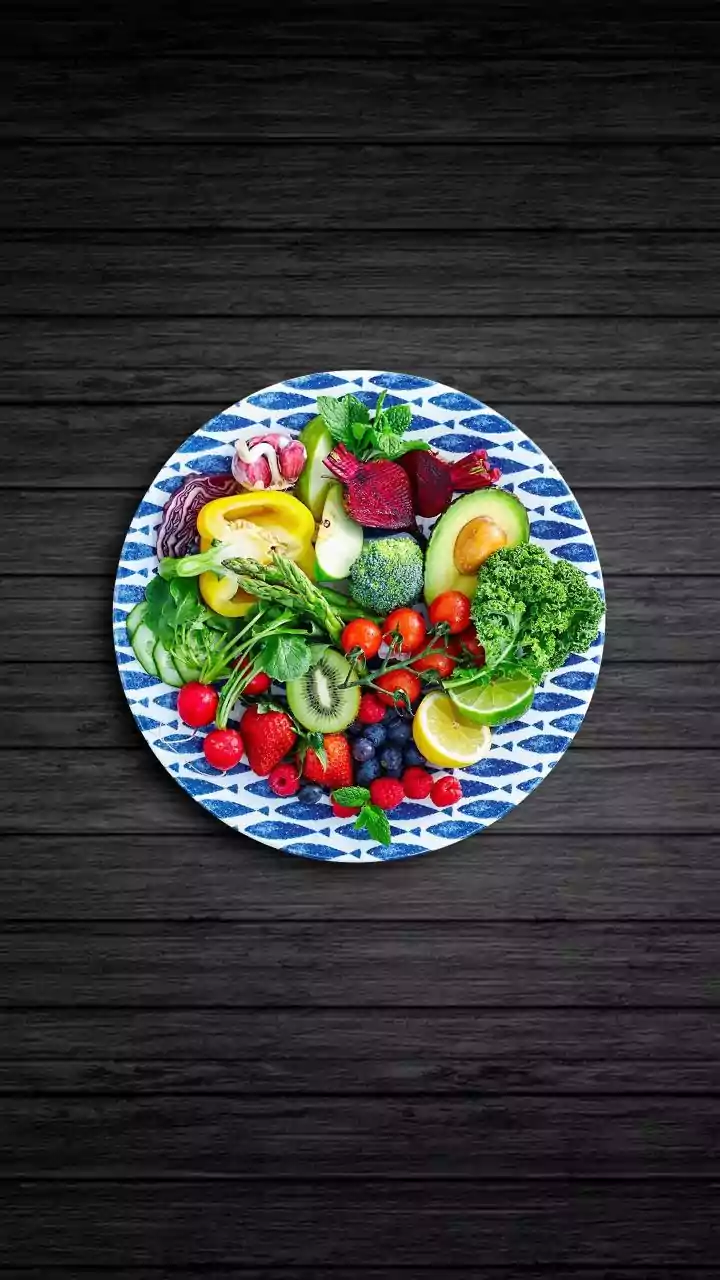
Your gut is home to trillions of microorganisms, collectively known as the microbiome. This internal ecosystem is crucial for everything from digestion and immunity to mood regulation. The key to a healthy microbiome is diversity. Different types of gut bacteria thrive on different types of food, particularly the fibers found in plant-based foods. When you eat the same handful of foods every week, you’re only feeding a small fraction of your microbial team. By contrast, a diet rich in a wide variety of fruits, vegetables, grains, nuts, and legumes provides fuel for a vast array of beneficial bacteria. This diversity creates a more stable and effective internal environment, making your gut more ‘fit’ and adaptable.
Why Rebrand a Timeless Concept?
The advice to eat a variety of foods isn’t new. So why the rebrand? The term ‘gut fitness’ accomplishes two things. First, it makes the goal feel more tangible and empowering. It frames eating as an act of training, not just consumption. Second, it moves the focus away from restrictive dieting and toward expansive eating. Instead of talking about what to cut out, the gut fitness model encourages you to think about what you can add in. This positive, action-oriented language resonates more strongly with people tired of diet culture’s lists of ‘good’ and ‘bad’ foods. It’s a simple but powerful psychological shift: you’re not on a diet, you’re in training.
How to Start Training Your Gut
Getting started with gut fitness doesn’t require a radical overhaul of your diet. The goal is incremental progress. Many experts recommend aiming for 30 different plant-based foods per week. That might sound daunting, but it’s easier than you think when you count every fruit, vegetable, whole grain, legume, nut, seed, herb, and spice. Here are a few simple strategies: - **Add One New Thing:** Each week, buy one fruit or vegetable you don't normally eat. Ever tried jicama, kohlrabi, or starfruit? Now’s your chance. - **Use Mixed Bags:** Opt for mixed salad greens instead of just romaine, a bag of mixed frozen berries for your smoothie, or a ‘soup mix’ of dried beans and lentils. - **Embrace Herbs and Spices:** Fresh herbs like parsley, cilantro, and mint, as well as dried spices like turmeric, cumin, and cinnamon, all count toward your weekly plant diversity count. - **Swap Your Grains:** If you always eat brown rice, try quinoa, farro, or barley next time.
Thinking in 'Additions,' Not 'Subtractions'
The most powerful aspect of the gut fitness framework is its focus on abundance. It’s an antidote to the restrictive mindset that dominates so much of wellness culture. Instead of worrying about whether a certain food is ‘unhealthy,’ you can ask a more productive question: “How can I add more diversity to this meal?” Having pizza? Add a side salad with a variety of greens and some artichoke hearts on top. Making a sandwich? Use whole-grain bread and pile on lettuce, tomato, sprouts, and onion. This approach makes healthy eating feel less like a chore and more like a creative, enjoyable exploration of food. It celebrates flavor, color, and texture, reminding us that a diet that’s good for our gut can also be incredibly delicious.