
Beyond the Potato Chip
For decades, the American snack landscape was a predictable world of salt, cheese, and barbecue. But a seismic shift is happening, and it’s hitting with a tangy, spicy, and deeply savory punch. The new stars of the snack aisle are inspired by 'Desi' flavors—a
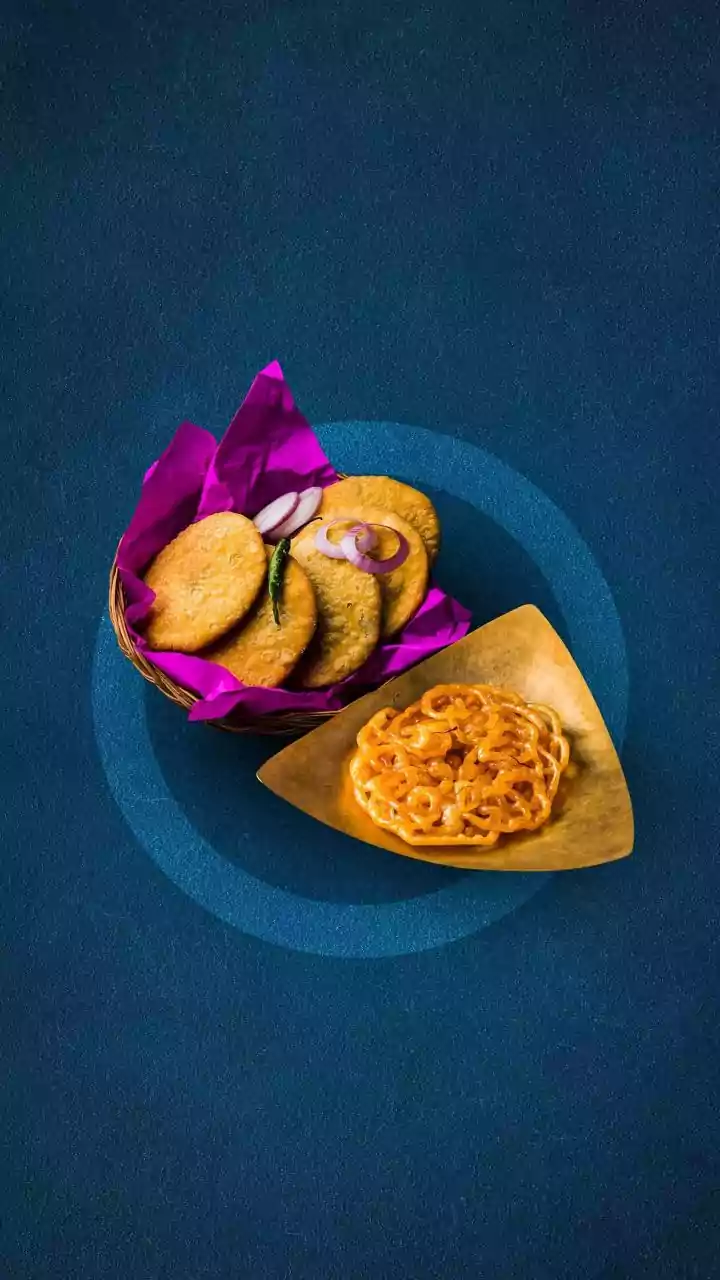
term affectionately used to describe the people, cultures, and products of the Indian subcontinent. We’re not just talking about a dash of curry powder on a potato chip. This is a full-scale introduction to the complex, layered world of chaat, masala, tamarind, and chili that has been a cornerstone of South Asian snacking for generations.
What Makes a Snack 'Desi'?
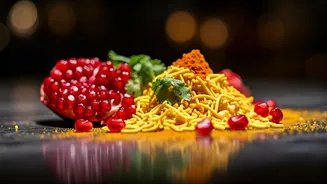
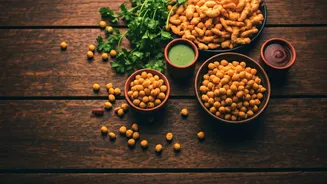
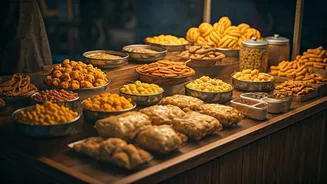
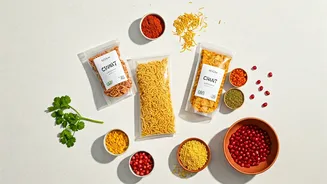
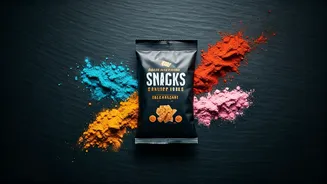
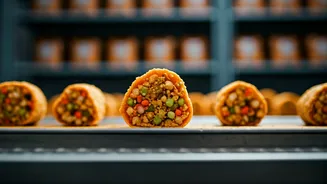
The Desi flavor profile is a masterclass in balance. It’s rarely about a single note. Instead, it’s a symphony of tastes playing together. 'Tangy' often comes from amchur (dried mango powder) or tamarind. 'Spicy' is delivered by a spectrum of red and green chilies. And 'savory' is a complex blend of roasted cumin, coriander, black salt (kala namak), and other spices that form the iconic chaat masala. This blend is traditionally sprinkled over street food snacks, and it’s this addictive, mouth-watering quality that U.S. brands are finally bottling. Texturally, it’s also a departure from the simple potato chip. Think airy puffed rice (murmura), crispy chickpea flour noodles (sev), crunchy lentil crisps, and hearty cassava chips. It’s a world of satisfying crunch that feels both novel and deeply satisfying.
Why Is This Happening Now?
Several forces are converging to bring these flavors to the forefront. First, there’s the demographic shift. The South Asian diaspora in the U.S. is one of the fastest-growing immigrant groups, creating a built-in market of consumers who grew up with these tastes. Second-generation entrepreneurs are now launching their own CPG brands, creating modern, slickly-packaged versions of the snacks they loved as kids, but designed for a mainstream American audience. Second, the American palate has become more adventurous. Decades of exposure to global cuisines through restaurants, travel, and food media have primed consumers for more than just the familiar. Food lovers are actively seeking authenticity and bold new experiences, and social media platforms like TikTok and Instagram allow these unique snacks to go viral overnight. A bag of spicy masala puffs is no longer a niche find; it’s a discovery worth sharing.
From Niche Aisle to Shopping Cart
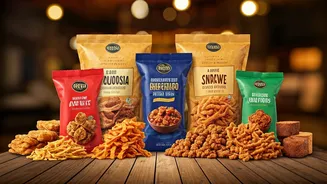
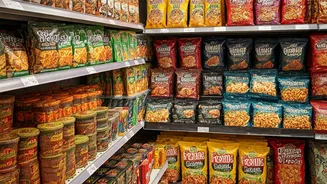
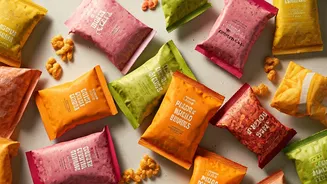
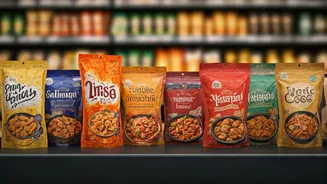
For years, getting your hands on authentic Indian snacks like Kurkure (a spicy, crunchy corn puff from PepsiCo India) or Haldiram's mixtures meant a trip to a dedicated South Asian grocery store. Today, that’s changing fast. Startups like The Desi Ghee Co. and AshaPops are landing shelf space at Whole Foods and other national retailers. Mainstream brands are taking notice, too. While they’ve been slower to adopt the full complexity of Desi flavors, limited-edition releases and international-aisle expansions show they understand the market's potential. Lay's, for example, has long sold an 'India's Magic Masala' flavor that became a cult-favorite import in the U.S., signaling a clear demand that domestic producers are finally starting to meet directly.