


What Exactly Is Moringa?
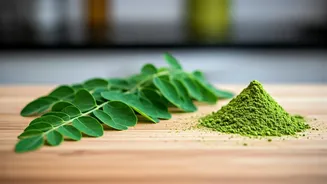
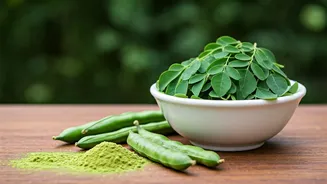
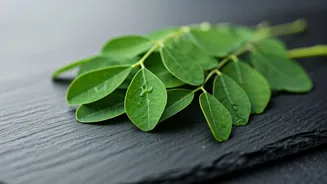
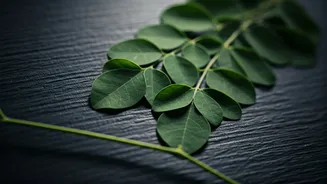
Before it was a trendy green powder in a health food store aisle, moringa was, and still is, a tree. Specifically, *Moringa oleifera*, also known as the drumstick tree, horseradish tree, or simply the 'miracle tree.' Native to parts of India and Africa,
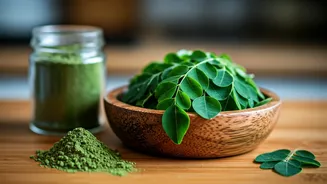
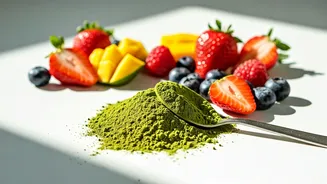
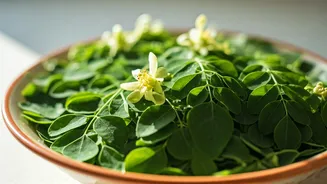
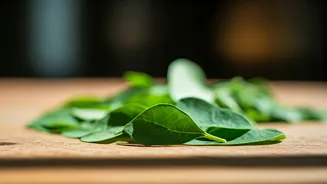
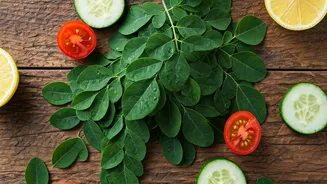
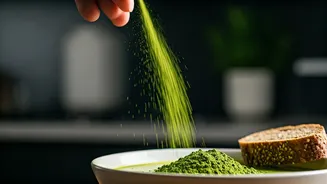
this fast-growing, drought-resistant tree has been used for centuries in traditional medicine and as a vital source of nutrition. Nearly every part of the tree is edible, but it’s the leaves that have gained global fame. Dried and ground into a fine, emerald-green powder, moringa leaves offer a concentrated dose of the plant’s goodness. Its flavor is often described as earthy and slightly bitter, similar to matcha or spinach, making it a versatile ingredient that can blend into both sweet and savory dishes without completely taking over.
The 'Superfood' Nutrition Profile
The term 'superfood' gets thrown around a lot, but moringa’s nutritional resume is genuinely impressive. The leaves are packed with a surprising range of essential nutrients. They are a rich source of vitamins A and C, which are crucial for immune function and skin health. On the mineral front, moringa provides significant amounts of calcium for bone health, potassium for balancing fluids, and iron, which is essential for carrying oxygen in the blood and fighting fatigue. What’s more, moringa is a rare plant-based source of complete protein, containing all nine essential amino acids. To top it off, it’s loaded with antioxidants—compounds like quercetin and chlorogenic acid that help combat oxidative stress in the body caused by free radicals. This dense nutritional profile is why a small spoonful can have a real impact.
Why It’s a Summer MVP
Moringa's benefits feel particularly well-suited for the summer months. First, long, active days in the sun call for sustained energy, and the iron and B vitamins in moringa can help support natural energy levels without the crash that comes from caffeine or sugar. Second, summer means more sun exposure, and while moringa is no substitute for sunscreen, its high antioxidant and vitamin C content may help the body's natural processes for repairing skin from environmental stressors. Third, it’s an easy way to boost the nutritional value of hydrating summer drinks. A scoop in your post-workout smoothie or even just a glass of water adds vitamins and minerals that can help with replenishment after you’ve been sweating in the heat. It’s a simple, effective way to support your body’s needs during the most active season of the year.
Your Practical Guide to Using It
The best part about moringa is its practicality. You don’t need a special recipe or complicated technique to use it. The most common form, moringa powder, is incredibly easy to incorporate into your daily routine.
- **In Smoothies:** This is the classic method. Add a teaspoon of moringa powder to your favorite fruit or green smoothie. The other ingredients will easily mask its earthy flavor.
- **Stirred into Drinks:** Whisk half a teaspoon into your morning iced latte, a glass of orange juice, or even plain water with a squeeze of lemon for a quick nutrient shot.
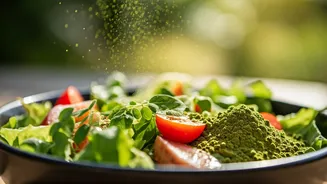
- **Sprinkled on Food:** Treat it like a seasoning. Sprinkle it over your avocado toast, a bowl of yogurt and granola, or your lunchtime salad. You can also mix it directly into salad dressings, like a simple lemon vinaigrette.
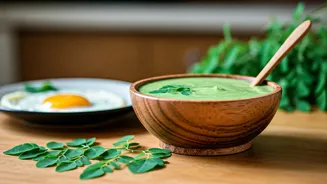
- **In Soups and Sauces:** Add a spoonful to soups, stews, or pasta sauces toward the end of cooking to preserve its nutrients. It will add a subtle green hue and a boost of vitamins without altering the taste significantly.
What to Look For (And a Word of Caution)
When shopping for moringa, quality matters. Look for a powder that is 100% pure organic *Moringa oleifera* leaf. The color should be a vibrant green, not brownish or dull, which can indicate oxidation or lower quality. Because it’s a potent food, it’s best to start small—a half or a full teaspoon per day is a good starting point to see how your body reacts. While generally considered safe for most people, moringa can have laxative effects in large doses. More importantly, individuals who are pregnant, breastfeeding, or taking medications—especially for blood pressure or thyroid conditions—should consult their doctor before adding moringa to their diet, as it can interact with certain health conditions and treatments. Listening to your body and consulting a professional are always the smartest first steps.