



Beyond the Creamy Curries
For many Americans, Indian food has long been synonymous with a specific style of North Indian restaurant fare: rich, decadent, and often reserved for a special night out. Dishes like chicken tikka masala, palak paneer, and malai kofta, swimming in luscious,
cream-heavy sauces, became the cuisine’s primary ambassadors. While undeniably delicious, this perception overlooks the immense diversity and inherent healthfulness of everyday Indian home cooking. Now, a new wave of chefs, home cooks, and health-conscious foodies are challenging that stereotype. They’re spearheading a movement to “reboot” the Indian plate, moving away from the heavy, anglicized versions and reconnecting with lighter, regional, and nutritionally dense traditions. This isn't about bland “diet” food; it's a vibrant re-imagining that prioritizes flavor and wellness in equal measure, proving that delicious and nutritious are not mutually exclusive.
The Ancient Grains Revival
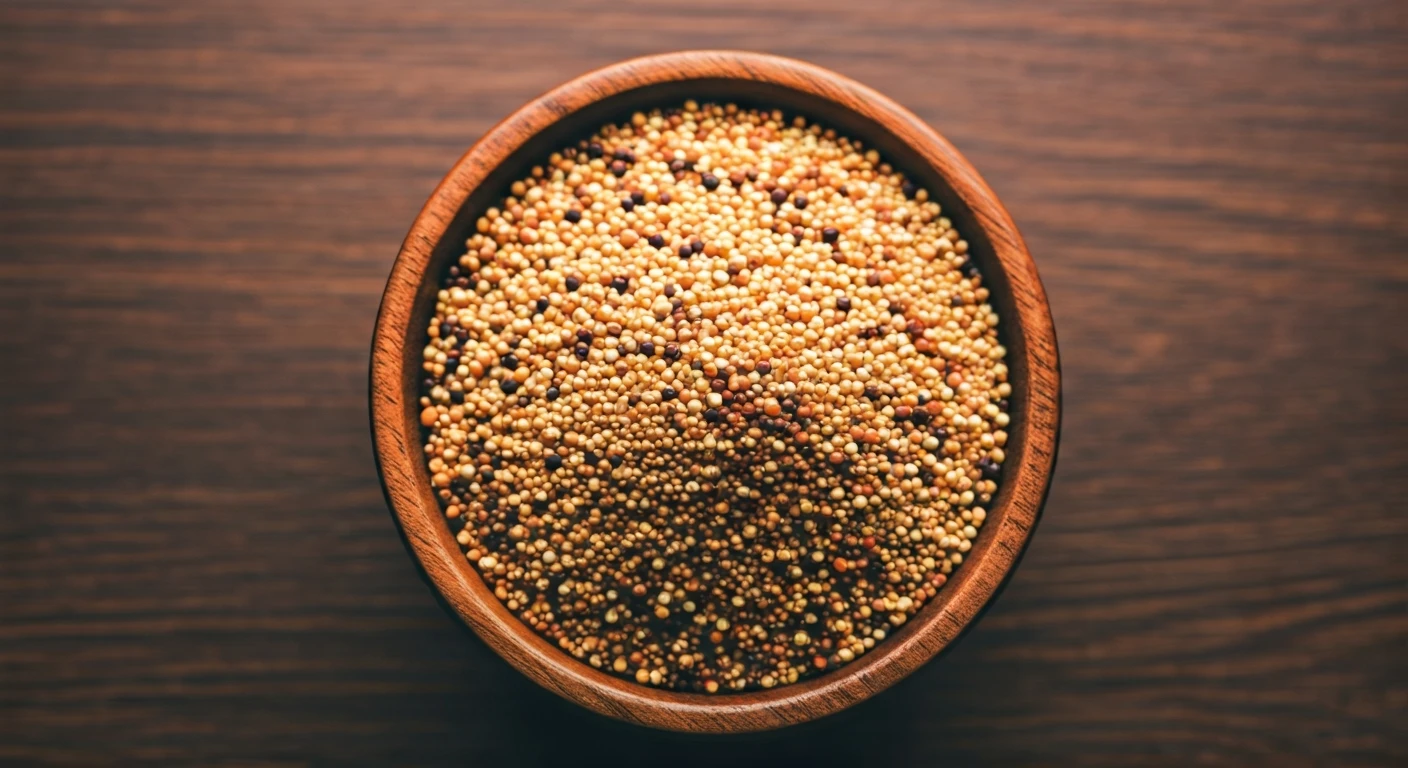
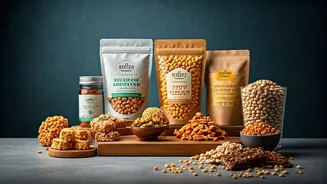
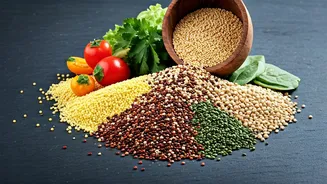
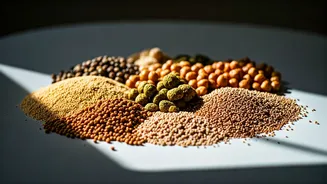
One of the most significant shifts is happening in the grain bowl. For years, polished white rice and refined-flour naan bread have dominated the Indian restaurant table. The modern reboot, however, champions a return to ancient, nutrient-packed grains that have been staples on the subcontinent for millennia. Millets—a category of small-seeded grasses like jowar (sorghum), bajra (pearl millet), and ragi (finger millet)—are making a major comeback. Naturally gluten-free and packed with fiber, protein, and minerals, they are appearing in everything from fluffy rotis and hearty porridges (khichdi) to contemporary grain salads. Similarly, quinoa and brown rice are replacing white rice, offering a lower glycemic index and a more complex, nutty flavor that complements a wide range of curries and dals. This isn't just a health trend; it’s a rediscovery of India’s agricultural heritage.
Rethinking Richness with Lighter Techniques
The perception of Indian food as “heavy” often comes down to fat. Traditional restaurant cooking can be liberal with ghee (clarified butter) and cream to create silky, luxurious textures. The new approach doesn’t eliminate richness but achieves it through smarter, lighter means. Chefs are now using techniques like flash-sautéing and air-frying to reduce oil. They’re swapping heavy cream for healthier alternatives that provide creaminess without the saturated fat. A dollop of thick Greek yogurt or cashew paste can give a dal its velvety finish. Puréed vegetables like pumpkin or squash can thicken a sauce naturally. Even the choice of cooking oil is evolving, with many kitchens favoring heart-healthy options like avocado or mustard oil over processed vegetable oils, depending on the dish's regional origins and flavor profile.
Vegetables Take Center Stage
India has one of the most sophisticated vegetarian food cultures in the world, and this reboot is placing it front and center. Instead of being relegated to a side dish or an afterthought, vegetables are being celebrated for their flavor, texture, and versatility. The movement is less about merely removing meat and more about elevating produce. Dishes are being designed around seasonal, local vegetables, from bitter melon and okra to gourds and leafy greens. You might see a delicate asparagus and pea curry in the spring or a hearty roasted cauliflower dish spiced with turmeric and cumin in the fall. Spices are used not to mask but to enhance the natural taste of the vegetables. This plant-forward focus aligns with global wellness trends but is deeply rooted in the principles of traditional Indian home cooking, where meat was often a luxury and vegetables were the everyday heroes of the plate.
How to Find the New Indian Plate
So, how can you taste this trend for yourself? Start by looking for clues on restaurant menus. Words like “homestyle,” “tava” (griddle-cooked), or “tandoori” (clay-oven cooked without heavy sauces) often indicate lighter preparations. Don't be afraid to ask your server about options made with less oil or cream. Many modern Indian restaurants are proud of their healthier approach and happy to guide you. Explore restaurants that specialize in South Indian cuisine, which traditionally relies more on rice, lentils, and coconut and less on the heavy creams of the north. At home, simple swaps can make a big difference. Try cooking lentils (dal) with a simple tempering of spices (tadka) instead of cream, or making your own rotis with whole wheat or millet flour. The goal is to discover the balanced, vibrant flavors that have sustained a billion people for centuries.