


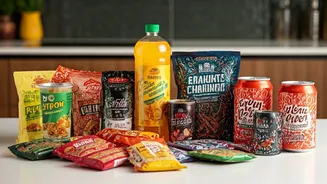
The Snack-aissance is Real
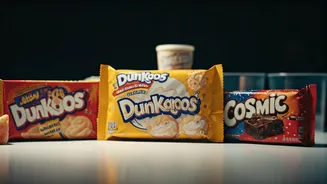
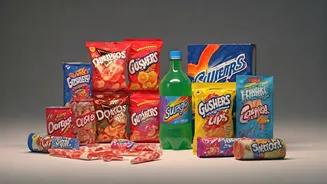
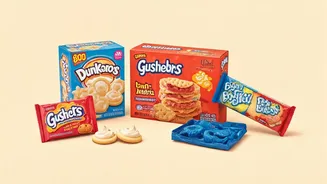
Walk down the snack aisle and you’ll see it. Foods that were once relics of a millennial childhood are suddenly front-and-center again. We’re talking about the Mount Rushmore of '90s lunchboxes: Dunkaroos, with their tiny cookies and funfetti-flecked
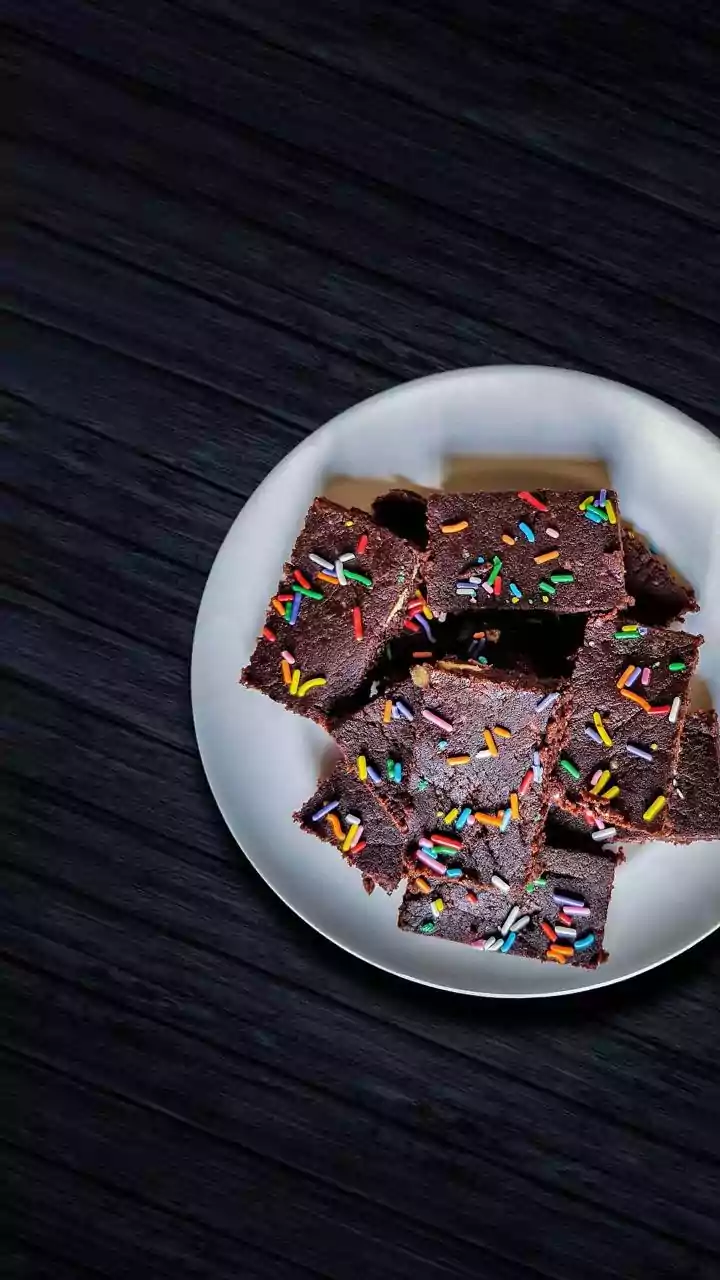
frosting, are back on shelves after a long hiatus. Little Debbie Cosmic Brownies, with their signature candy-coated chocolate pieces, have become a staple of ironic Gen Z pantry tours on TikTok. Lunchables, the compartmentalized meal kits that once defined school cafeteria cool, are seeing a surge in popularity not just with kids, but with young adults creating charcuterie board-style “adultables.” The trend extends to drinks like SunnyD and sugary cereals that were once marketed exclusively on Saturday morning cartoons. It’s a full-blown revival, driven less by parental grocery runs and more by the choices of a new generation of shoppers.
Comfort in a Plastic Wrapper
So, why now? The most obvious driver is nostalgia. For older millennials, these snacks are a direct, edible link to a simpler time—a taste of after-school bliss before the pressures of adulthood set in. But for Gen Z, many of whom were toddlers when these snacks peaked, it’s a different phenomenon: a borrowed nostalgia, or “fauxstalgia.” They are romanticizing an era they mostly experienced through pop culture reruns and internet aesthetics. In a world defined by constant uncertainty, from economic anxiety to climate dread, the appeal of a predictable, comforting, and fundamentally unserious snack is potent. A Gushers fruit snack is the same today as it was in 1998. There’s a psychological safety in that consistency, a small dose of guaranteed, low-stakes happiness that more complex or “healthy” foods can’t always provide. It's comfort food, just in a much brighter, more artificial package.
An Antidote to 'Clean Eating'
This trend isn’t happening in a vacuum. It’s also a quiet rebellion against the dominant food culture of the last decade. The 2010s were the era of wellness, defined by green juice, avocado toast, and the gospel of “clean eating.” While well-intentioned, this movement often carried an undercurrent of restriction, guilt, and moral judgment around food. Every meal had to be optimized, every ingredient scrutinized. The return of old-school munchies feels like a direct, unapologetic counterpoint. It’s an embrace of food for pure pleasure, free from the tyranny of optimization. Young consumers are implicitly rejecting the idea that food must always be functional or virtuous. Eating a sleeve of Oreos or a handful of Goldfish isn't a nutritional failure; it's just a snack. This movement prioritizes mental satisfaction and joy over physical perfection, a cultural pendulum swing away from the rigidity of the wellness industrial complex.
Fueled by the 'For You' Page
Of course, no modern trend can be fully understood without looking at social media. TikTok and Instagram are pouring gasoline on this retro-snack fire. A single viral video of someone unboxing a forgotten cereal or creating a “girl dinner” out of cheese sticks, crackers, and a Fruit Roll-Up can generate millions of views and spark a nationwide craving. These platforms thrive on aesthetics, and the bright, maximalist packaging of '90s snacks is perfectly suited for the screen. The content isn't just about eating; it’s about the performance of nostalgia. It’s about sharing a collective, often ironic, experience. Companies have noticed. General Mills explicitly credited social media buzz for its decision to resurrect Dunkaroos. The feedback loop is complete: Gen Z’s digital longing for these snacks convinces brands to bring them back, which in turn creates more content and fuels the cycle anew.