

The Allure of the Crowd
For many travelers to the Indian Himalayas, the destination is Mussoorie, the “Queen of the Hills.” And the heart of Mussoorie is Mall Road. It’s a classic hill station promenade, a dizzying, delightful symphony of sensory overload. Picture a pedestrian-heavy
street clinging to a mountainside, lined with sweet corn vendors, colonial-era lampposts, and shops selling everything from woolen shawls to video games. The air is a mix of crisp mountain breeze and sizzling street food. Families stroll, couples take photos, and a cheerful, energetic chaos reigns supreme. This is the India that many tourists expect and seek: vibrant, bustling, and full of life. There's a genuine joy to it, the shared experience of a holiday town at its peak. But for some, the very thing that makes Mall Road magnetic is also what makes it exhausting.
The Road Less Traveled
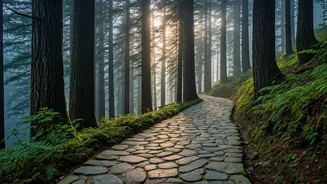
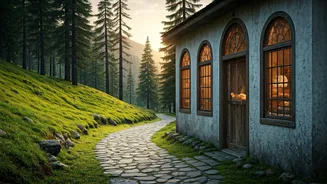
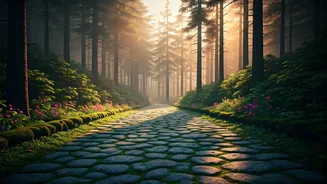
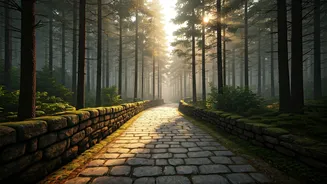
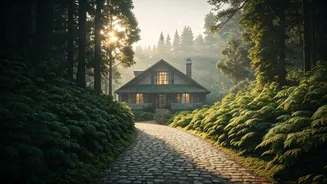
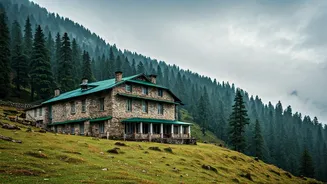
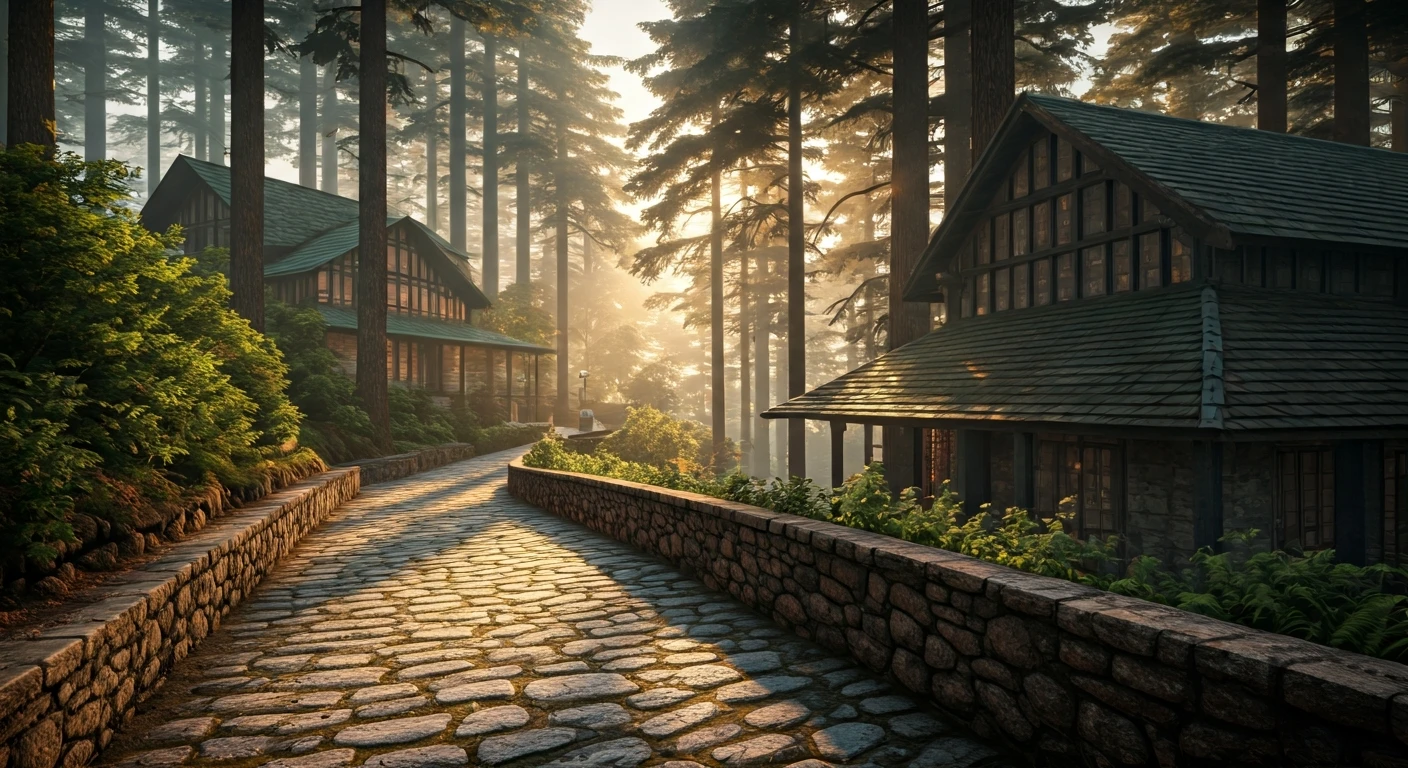
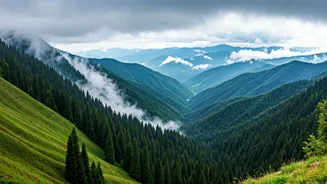
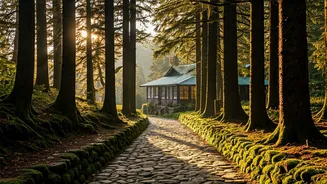
Just a steep, winding 3-mile drive above the clamor of Mussoorie lies Landour. It’s not a separate city, but a cantonment—a quiet, British-era military settlement that feels like a town preserved in amber. The moment you enter, the decibel level drops. The commercial frenzy of Mall Road vanishes, replaced by dense forests of deodar and pine. There are no sprawling hotels, no chain restaurants, no garish souvenir stalls. The roads are narrow, meant for walking, and often shrouded in a cinematic mist that rolls in without warning. Landour isn't a destination you 'do'; it's a place you 'are'. It operates on a different clock, one measured by the shifting light through the trees rather than the opening hours of shops.
An Itinerary of Quietude
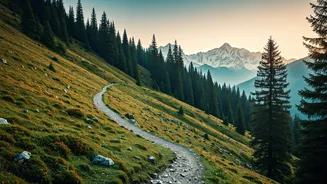
So, what does one actually do in Landour? The primary activity is walking. The most famous route is the 'Gol Chakkar,' a gentle 2-mile loop that circles the town, offering staggering views of the snow-capped Himalayan peaks on a clear day. Along this walk, you’ll pass colonial bungalows with names like 'The Parsonage' and 'Woodside,' their stone walls covered in ivy. The walk inevitably leads to Char Dukan, which literally translates to 'four shops'. This tiny cluster of establishments has been serving tea, coffee, pancakes, and simple snacks for generations. It’s the unofficial town square, where you can sit on a simple bench, sip a hot drink, and watch the world (slowly) go by. Nearby stands the gothic spire of St. Paul’s Church, a silent stone sentinel built in 1840, its cemetery whispering stories of a bygone era.
A Literary Landscape
Landour’s serene atmosphere has long attracted writers and artists, but none are more synonymous with the town than Ruskin Bond. The celebrated author has called this hillside home for decades, and his presence infuses the town with a quiet, literary magic. While you’re unlikely to just bump into him, his spirit is everywhere—from the local bookshop that stocks his works to the general feeling that this is a place for contemplation and storytelling. Knowing that one of India’s most beloved writers chooses this quiet corner of the world over anywhere else reinforces the town’s core identity. It’s a haven for the thoughtful, a retreat for those who find inspiration in tranquility rather than spectacle.