
The Price of a Modern Diet
For decades, the story of urban India was one of rapid economic growth, technological leaps, and expanding middle-class aspirations. But this transformation had a quiet, uncomfortable side effect: a public health crisis brewing in the gut. As incomes
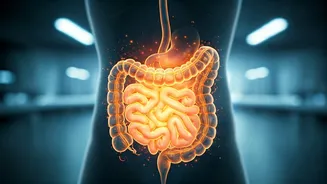
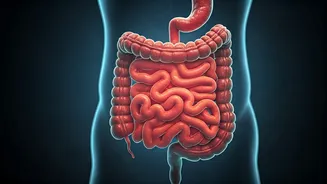
rose, traditional diets rich in lentils, whole grains, and vegetables gave way to the convenience of processed foods, refined sugars, and fast-food chains. The result was a dramatic spike in what doctors call 'lifestyle diseases'—and digestive issues were at the forefront. Urban professionals began complaining of chronic acidity, bloating, constipation, and Irritable Bowel Syndrome (IBS) at startling rates. The complex, fiber-rich Indian thali was being replaced by pizza, white-bread sandwiches, and instant noodles, and the collective microbiome of the nation’s city dwellers was paying the price. This dietary shift created a population primed for a solution, hungry for a way to feel better without sacrificing their modern lives.
Enter 'Fibermaxxing'
The term 'fibermaxxing' might sound like something cooked up in a Silicon Valley wellness lab, but its roots are distinctly Indian. It refers to a conscious, almost strategic, effort to maximize dietary fiber intake. This isn't your grandmother simply telling you to eat more vegetables. It’s a deliberate cultural and culinary pushback against the low-fiber pitfalls of globalization. For young urban Indians, it involves rediscovering and championing the fiber-dense foods their own parents may have started to leave behind. While the term itself is more of a catchy descriptor than a formal movement, the behavior it describes is undeniable. It's a blend of traditional wisdom and modern wellness science, promoted by nutritionists, health-conscious influencers, and a new generation of food startups. The goal isn’t just regularity; it’s about optimizing gut health as the foundation for overall well-being.
The Stars of the Fiber Boom
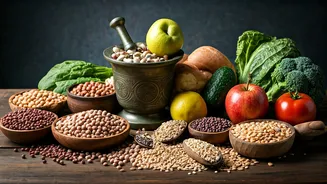
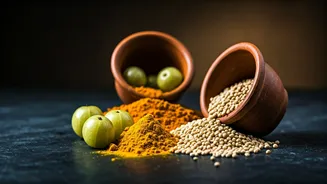
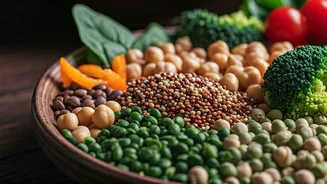
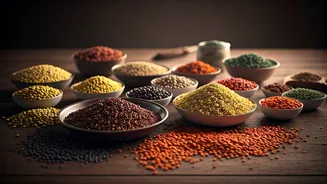
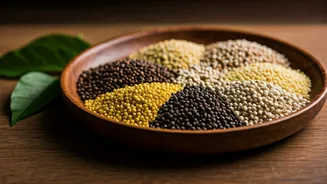
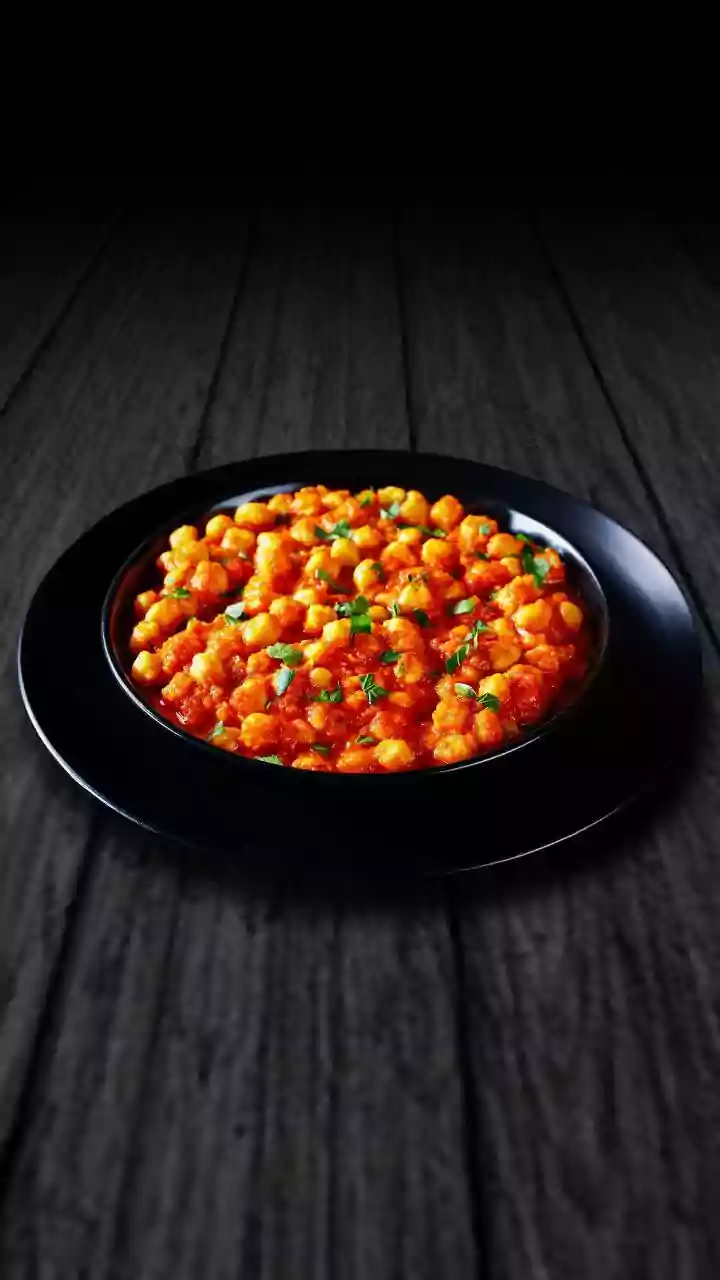
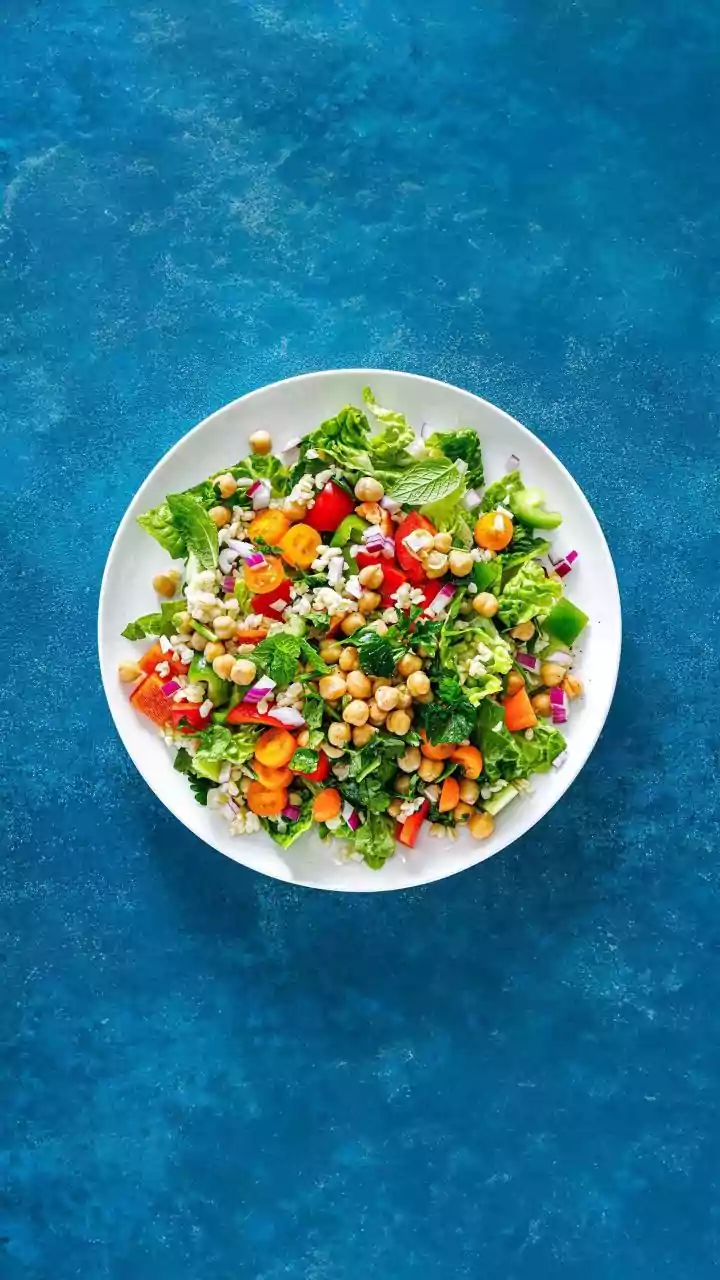
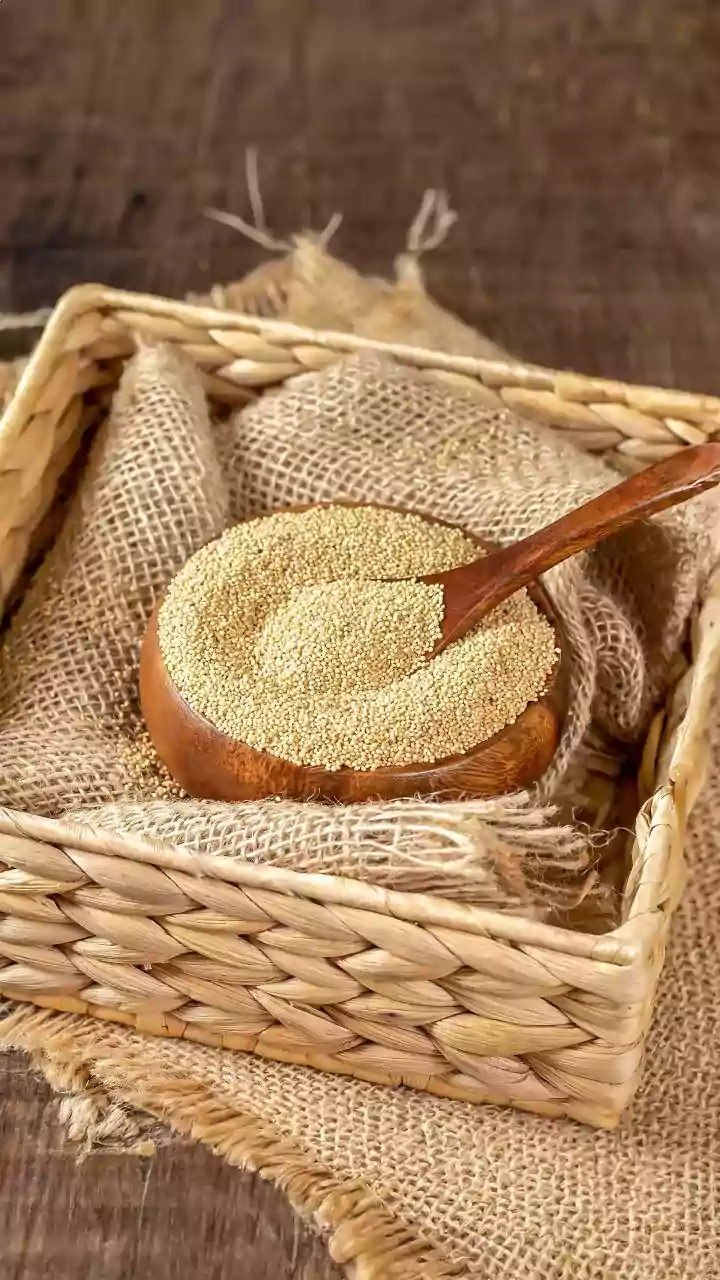
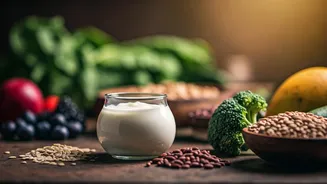
So what does fibermaxxing look like on the plate? It’s a mix of the old and the new. The undisputed king is psyllium husk, known locally as Isabgol. Long used as a simple home remedy, it has been rebranded as a superfood, stirred into morning smoothies and yogurt bowls. But the real revolution is the revival of ancient Indian grains. Millets, once dismissed as 'poor man’s food,' are now the darlings of the urban health scene. Thanks in part to a government-led promotional push, grains like ragi (finger millet), jowar (sorghum), and bajra (pearl millet) are appearing in everything from artisanal bread to high-end restaurant menus. They offer a powerful combination of fiber, protein, and nostalgia. Alongside these are the staples that never truly left but are now consumed with renewed purpose: lentils (dal), chickpeas, and a vast array of local gourds and leafy greens that are once again being celebrated for their potent nutritional benefits.
A Statement of Cultural Identity
To say 'fibermaxxing' has single-handedly 'fixed' a nation’s complex health problems would be an overstatement. The issues of access, affordability, and education remain significant. However, the trend represents something far more profound than a simple diet fad. It’s a form of edible self-care and a quiet act of cultural reclamation. By consciously choosing a millet flatbread over a white-flour naan or a psyllium smoothie over a sugary soda, participants are not just making a health choice; they’re making a statement. They are pushing back against the assumption that 'modern' must mean 'Western.' This movement suggests that the solutions to some of today’s most pressing modern ailments may not lie in the next pharmaceutical breakthrough, but in the rediscovery of the wisdom already embedded in their own culinary heritage. It’s a powerful reminder that sometimes, the best way forward is to look back.