


Meet the 'Miracle Tree'
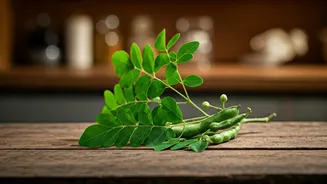
Before it was a trendy green powder in a California smoothie, moringa was simply a part of the landscape. Known botanically as *Moringa oleifera*, it’s a fast-growing, drought-resistant tree native to the Indian subcontinent. For centuries, it has been
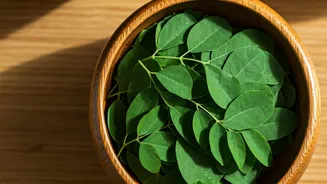
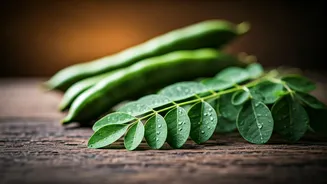
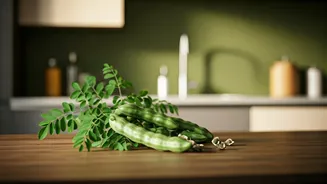
a backyard staple, affectionately called the “drumstick tree” for its long, slender seed pods. In many parts of India, it’s not just a plant; it’s a pharmacy and a grocery store all in one. Nearly every part of the tree is used. The pods are the star ingredient in South Indian sambar and avial, lending a subtle, slightly sweet flavor and a tender-firm texture. The leaves, known as *murungai keerai* in Tamil or *sahjan patta* in Hindi, are stir-fried with coconut, added to lentil dishes, or cooked into hearty poriyals. Even the delicate, white flowers are used in regional recipes. This isn’t a food that was cultivated for export; it was a humble, hyperlocal ingredient woven into the fabric of daily meals.
From Backyard Staple to Global Superfood
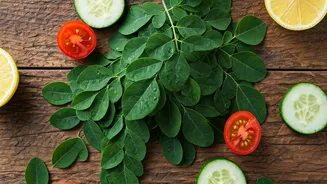
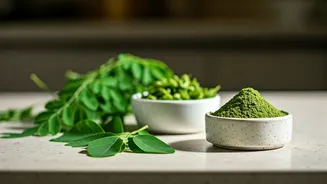
So how did this common backyard tree become a global wellness sensation, sold in expensive, slickly-marketed packages? The answer lies in its incredible nutritional density. Moringa leaves are packed with vitamins A, C, and E, and are a significant source of plant-based protein, calcium, and potassium. They are also rich in antioxidants, compounds that fight cellular damage. As Western wellness culture began its search for the next big “superfood,” moringa’s profile made it a perfect candidate. It was exotic, plant-based, and backed by a compelling nutritional story. Soon, moringa powder—made from dried, ground leaves—became the go-to form for the global market. It was easy to ship, easy to add to lattes and protein shakes, and easy to brand. The global wellness industry had “discovered” moringa, packaging a centuries-old tradition for a new audience that was hungry for health but often disconnected from the food’s cultural roots.
A Diaspora's Delicious Rediscovery
The most interesting part of moringa’s journey, however, is happening in Indian-American kitchens. For many first- and second-generation immigrants, moringa is a direct link to the flavors of their childhood. While their parents or grandparents may have had a tree in their garden, accessing fresh moringa in the U.S. was historically difficult. But today, with better supply chains, frozen moringa leaves and fresh drumsticks are readily available in Indian grocery stores across the country. More importantly, the convenience of moringa powder has bridged a generational gap. Younger Indian-Americans, who may not have the time or familiarity to cook complex, traditional dishes, are embracing moringa in modern ways. They’re whisking the powder into their morning smoothies, sprinkling it over oatmeal, or adding it to pancake batter. It’s a way to connect with their heritage on their own terms, blending the nutritional wisdom of their ancestors with the realities of a fast-paced American lifestyle. It’s no longer just Grandma’s ingredient; it’s a versatile tool for everyday health.
How to Bring Moringa Home
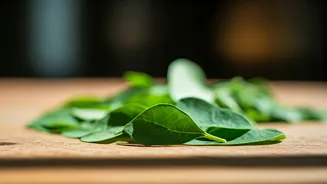
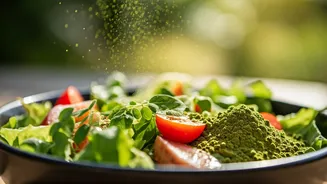
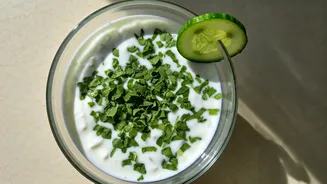
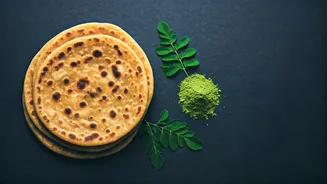
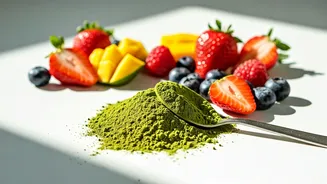
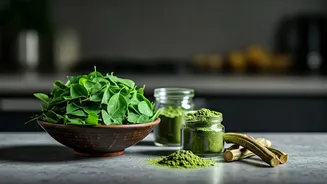
Curious to try it? Getting started with moringa is easier than ever. You can typically find it in three main forms: **Fresh Drumsticks:** Look for long, green pods in the produce section of an Indian or Asian market. They should be firm, not limp. To prepare, trim the ends and cut them into 2-3 inch pieces. They can be boiled and added to curries, soups, and lentil dishes like sambar. The flavor is mild and reminiscent of asparagus or green beans. **Frozen Leaves:** A convenient option, frozen moringa leaves retain much of their nutrients. They can be used just like frozen spinach—sautéed with garlic and onions, stirred into dals, or added to savory omelets and frittatas. **Moringa Powder:** The most versatile form. A little goes a long way, as the flavor is potent, grassy, and slightly bitter, similar to matcha. Start with half a teaspoon in a smoothie, yogurt bowl, or even a glass of water. It can also be added to soups, stews, and sauces toward the end of cooking to boost their nutritional content without overpowering the dish.