



The New Fermented A-List
While kombucha had its uncontested reign in the 2010s, today’s fermentation craze is more diverse. The current class of wellness darlings includes foods that have been staples in cultures around the world for centuries. Water kefir, a bubbly, lighter
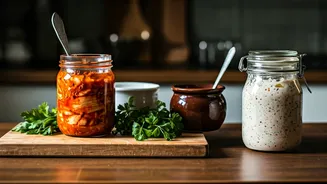
cousin to the milk-based original, is showing up in artisanal flavors. Kimchi, the fiery Korean fermented cabbage, is no longer just a side dish but the star of 'gut-friendly' bowls. High-quality apple cider vinegar (with 'the mother,' of course) is touted in morning tonic videos. And sourdough baking, which exploded during lockdown, has evolved from a hobby into a symbol of a wholesome, back-to-basics lifestyle. The aesthetic is key: a rustic, bubbling, 'alive' look that signals authenticity and plays perfectly on a visually driven platform like Instagram.
Why Now? The Microbiome Goes Mainstream
So, what’s fueling this revival? In a word: the microbiome. The concept of gut health, once a niche topic in medical journals, has gone completely mainstream. Wellness influencers and pop science have successfully translated the complex community of bacteria living in our digestive systems into a simple, compelling narrative: a healthy gut equals a healthy you. This idea links everything from digestion and immunity to mood and skin clarity. Fermented foods, as natural sources of probiotics (the 'good' bacteria), are the perfect heroes for this story. They offer a tangible, edible way for people to feel like they are actively 'healing their gut.' Posting a video of your bubbling kefir grains isn't just food content; it’s a performance of self-care and a signal that you're in on the latest wellness secret.
A Trip Down Fermentation Memory Lane
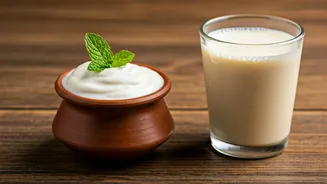
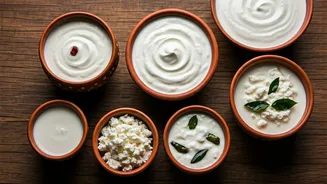
The 'again' in the headline is doing a lot of work, because we’ve absolutely been here before. If you're over 30, you remember the first great kombucha boom. Around 2012, home-brewing kits with their alien-like SCOBYs became a fixture in certain kitchens, and by 2016, refrigerated aisles in every grocery store were overflowing with expensive, brightly labeled bottles. Before that, the 1990s and 2000s saw a major push for probiotic yogurt, with brands like Activia making 'bifidus regularis' a household term. Each wave follows a similar pattern: an ancient, functional food is 'rediscovered' by Western wellness culture, simplified into a single health benefit, marketed beautifully, and sold back to us at a premium. The trend crests, the hype fades, and the food either disappears or, like Greek yogurt, settles into being a normal, everyday staple.
Beyond the Hype: What the Science Says
This is where things get tricky. Are these foods good for you? Generally, yes. Fermented foods have been a safe and nutritious part of human diets forever. They are often rich in vitamins and, by their nature, contain live probiotic cultures. A growing body of research does suggest that a diverse gut microbiome is beneficial for overall health, and consuming a variety of fermented foods can contribute to that diversity. However, the wellness content machine tends to oversimplify. A daily glass of kefir is not a magic bullet that will cure anxiety or give you perfect skin overnight. Many of the specific, dramatic claims you see on social media are not supported by rigorous scientific evidence. The benefits are more general and cumulative. The biggest takeaway from nutrition science is usually to eat a varied diet rich in whole foods—and fermented staples can certainly be a delicious part of that, whether they're trending or not.