






From 'Low-Cal' to 'Functional'
The first wave of healthy eating was all about subtraction. Low-fat, low-carb, low-calorie—the focus was on what was removed. A plate of steamed vegetables and plain fish was virtuous simply because it lacked fat and flavor. This new era of 'smarter menus'
is about addition. Instead of just avoiding 'bad' things, chefs and diners are seeking 'good' things: ingredients with specific, tangible benefits. We’ve moved from a diet of restriction to a diet of intention. The question is no longer, 'How many calories are in this?' It’s becoming, 'What will this do for my body and my mind?' This shift represents a deeper understanding of nutrition, where food is seen as fuel, medicine, and a tool for optimizing how we feel day-to-day.
Eating for Your Brain and Your Gut
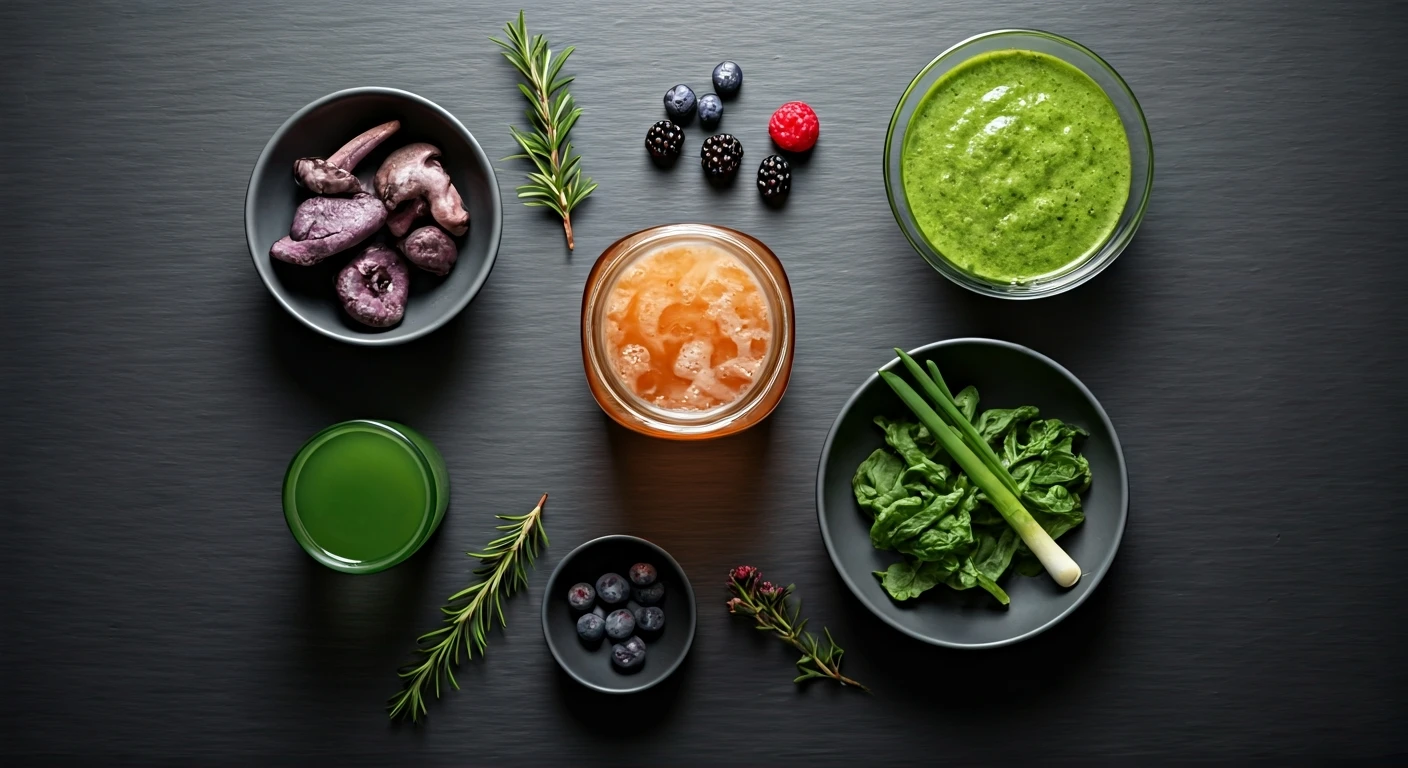
Look closely at trend-setting menus, and you'll see new buzzwords popping up. Terms like 'nootropic' and 'adaptogen' have escaped the confines of wellness blogs and are appearing in lattes, smoothies, and even entrees. Nootropics are compounds believed to enhance cognitive function—think focus, memory, and clarity. You might see this in the form of a coffee boosted with Lion's Mane mushroom or a 'brain food' bowl rich in omega-3s from salmon and walnuts. Adaptogens, like ashwagandha or rhodiola, are herbs said to help the body manage stress. They're being infused into teas, soups, and wellness shots. At the same time, gut health has gone mainstream. Menus are proudly highlighting 'probiotic' and 'prebiotic' ingredients, from house-made kimchi and kombucha on tap to dishes rich in fiber from diverse plant sources. The goal is to feed the trillions of microbes in your gut, which science increasingly links to everything from mood to immunity.
Plants Get a Powerful Promotion
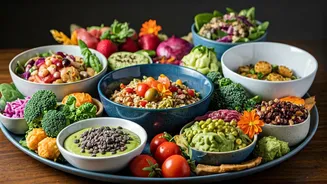
The plant-based movement has played a massive role in this evolution. A decade ago, the token vegetarian option was often an afterthought, like a sad pasta primavera. Today, vegetables are the stars of the show. But it's more than just better vegetarian cooking. It's about harnessing the specific nutritional power of plants. Menus are now designed around showcasing the benefits of phytonutrients—the compounds that give plants their vibrant colors and also offer antioxidant and anti-inflammatory properties. You'll see 'Rainbow Bowls' designed to deliver a wide array of vitamins, or dishes centered on the anti-inflammatory power of turmeric or the detoxifying qualities of dark leafy greens. The focus isn’t just on replacing meat; it’s on celebrating and utilizing the full, functional potential of the plant kingdom.
The 'Why' Behind the Wiser Menu
This isn't happening in a vacuum. The shift is driven by a more educated and demanding consumer. Thanks to the internet, podcasts, and a booming wellness industry, the average diner knows more about nutrition than ever before. People are tracking their macros, wearing continuous glucose monitors, and taking personalized vitamin subscriptions. They expect the places where they eat to keep up. For restaurants, this presents a huge opportunity. A 'smarter menu' is a powerful marketing tool. It signals quality, care, and an alignment with modern values. By calling out functional ingredients and specific health benefits, restaurants can attract a loyal, health-conscious clientele willing to pay a premium for food that actively contributes to their well-being. It’s a win-win: consumers get food that supports their lifestyle goals, and businesses get a competitive edge in a crowded market.