






Not Just a Pet, But Family
The term 'pet parent' isn’t just a cutesy phrase anymore; it’s a mission statement. For millions of Millennials and Gen Zers, the relationship with their cat or dog has fundamentally changed from one of ownership to one of guardianship. This isn't about
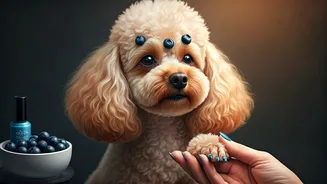
simply loving an animal—people have always done that. This is about the widespread 'humanization' of pets, where they are fully integrated into the family structure, often filling roles once reserved for human partners or children. This shift is visible everywhere. Pets have their own stockings at Christmas, elaborate birthday parties, and bespoke social media accounts with thousands of followers. According to market data from firms like NielsenIQ and the American Pet Products Association (APPA), this emotional investment translates directly into financial commitment. Young owners are the driving force behind the explosive growth of the pet care industry, spending disproportionately on products and services that enhance their pet's well-being and comfort.
The Rise of the Wellness Pet
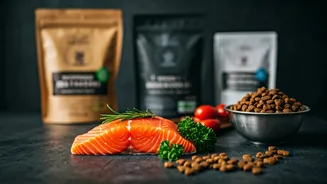
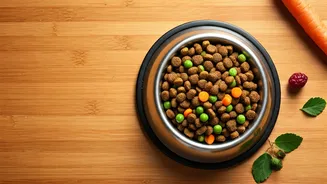
Nowhere is this trend more apparent than in the food bowl. The days of scooping generic, corn-based kibble are fading fast. Today’s young pet parent is a discerning consumer, poring over ingredient lists and nutritional labels. The same trends driving the human wellness movement—clean eating, organic sourcing, and customized diets—have migrated directly to the pet aisle. Brands offering fresh, human-grade, and subscription-based meals are booming. Concepts like grain-free formulas, limited-ingredient diets for allergies, and probiotic supplements for gut health are now mainstream. This isn't just a niche market for the wealthy; it’s a widespread recalibration of what constitutes 'good' pet food. The logic is simple: if I wouldn’t eat highly processed junk food every day, why should my dog? This focus on preventative health through nutrition is seen as a long-term investment in their pet’s longevity and quality of life.
The Comfort of Consistency
Beyond nutrition, the emphasis on consistent routines speaks to a deeper psychological need for both the pet and its owner. In a world that often feels chaotic and unpredictable, creating a structured environment for a pet provides a sense of stability and control. For the animal, a predictable schedule for walks, meals, and playtime reduces anxiety. For the human, this ritual provides purpose and a welcome anchor in their day. This isn't about rigid, military-style discipline. It's about a mindful approach to a pet's daily life. It’s knowing that the 7 a.m. walk is crucial for your dog’s happiness, or that your cat thrives on 15 minutes of dedicated laser pointer time before bed. These routines are a form of communication and a tangible expression of love, reinforcing the bond between human and animal. For many young adults navigating demanding careers and complex social lives, the simple, reliable companionship structured around these routines is a powerful source of emotional support.
Why Now? The Millennial & Gen Z Factor
So why is this happening with such intensity among younger generations? It’s a confluence of social and economic factors. Millennials and Gen Z have famously delayed traditional life milestones like marriage and parenthood, often due to economic pressures. For many, pets offer a way to nurture and build a family on their own terms, without the same level of financial or long-term commitment as having a child. Furthermore, this demographic grew up with the internet, where information is abundant and community is digital. They research everything, from the best dog trainer in their city to the recall history of a pet food brand. Social media platforms like Instagram and TikTok not only allow them to share their pet's life but also create communities where these high standards of care are normalized and celebrated. In this context, investing in premium food and maintaining a strict routine isn't indulgent—it’s simply good parenting.