



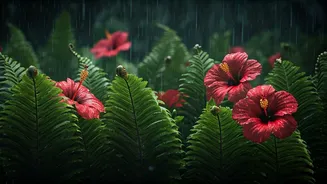


Meet the Monsoon Marvel: Balsam
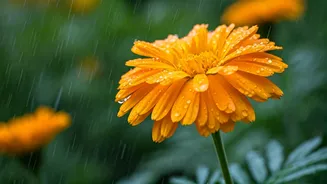
The cheerful flower in question is the Balsam (*Impatiens balsamina*). Known in India as *gul-mehndi*, it’s a traditional herald of the monsoon season, popping up in gardens and along roadsides with an explosion of color just as the rains begin. In the U.S.,
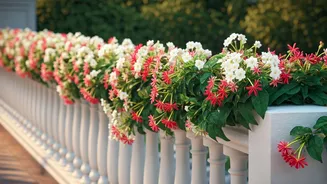
it might be called rose balsam, garden balsam, or simply touch-me-not, a nod to the way its ripe seed pods burst open at the slightest touch, scattering seeds for the next generation. Unlike its popular cousin, the common impatiens (*Impatiens walleriana*), which can suffer from downy mildew in damp conditions, garden balsam is a more robust, old-fashioned choice that stands up beautifully to humidity and frequent watering. Its bright blooms in shades of pink, purple, red, and white are held close to its central stem, creating colorful spires that brighten up the grayest of days.
Why It Thrives in Wet Weather
Most potted plants dread the constant sogginess of a rainy summer. Their roots suffocate, and fungal diseases take hold. Balsam, however, is uniquely adapted to a moisture-rich environment. Its love for water is its superpower. While no plant wants to sit in a stagnant puddle, balsam thrives on the consistent moisture and high humidity that define monsoon-like weather, whether you’re in the American Southwest during its monsoon season or weathering summer storms along the Gulf Coast. Its fleshy, almost translucent stems are designed to manage water efficiently. This resilience means that while your petunias are looking battered and your geraniums are at risk of root rot, your balsam plants will be in their prime, looking lush, green, and full of flowers. They offer a rare quality in the gardening world: reliability in the face of relentless rain.
Your Container Growing Guide
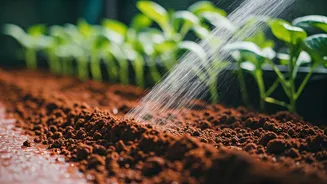
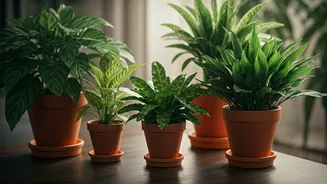
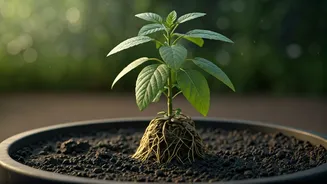
Successfully growing balsam in pots is all about balancing its love of water with its need for oxygen at the roots. The single most important factor is drainage. Choose a container with plenty of drainage holes. Terracotta pots are an excellent choice as the porous material helps wick away excess moisture from the soil. Use a high-quality, well-draining potting mix. You can amend a standard mix with perlite or coarse sand to improve its drainage capacity further. When planting, give each plant enough space to ensure good air circulation, which helps prevent any potential fungal issues, even with a resistant plant. Place your pots in a location that receives morning sun and afternoon shade. While balsam can tolerate full sun, it performs best when protected from the harshest afternoon rays, which can scorch its leaves, especially when temperatures are high.
Simple Care for Abundant Blooms
Balsam is a low-maintenance annual that rewards minimal effort with a profusion of color. During dry spells between rains, be sure to water it consistently; the soil should feel moist but not waterlogged. Because it’s a fast grower and a heavy bloomer, it benefits from a bi-weekly feeding with a balanced liquid fertilizer, diluted to half-strength. There’s no need to deadhead the spent flowers; the plant is self-cleaning and will continue to produce new blooms along its stem as it grows taller. Be aware of its 'touch-me-not' feature. The seed pods are nature’s fun little poppers, and they will ensure you have volunteer seedlings next year. If you prefer to control where your balsam grows, you can collect the pods just before they are fully ripe or simply pull up the plants at the end of the season before they have a chance to self-sow everywhere.