





Read the Soil, Not Just the Calendar
The first warm rain doesn’t automatically mean it’s time to dig. The single most common mistake gardeners make is working the soil when it’s too wet. Doing so compacts it, squeezing out the air pockets that roots need to thrive and turning your future
garden bed into a brick. How can you tell if it’s ready? The classic test is simple: grab a handful of soil and squeeze it. If it forms a tight, muddy ball that stays clumped when you poke it, it’s too wet. Give it a few sunny days to dry out. If it crumbles apart easily, it’s go-time. This moment of patience is the first, most crucial step in a successful season. Rushing now can lead to a summer of frustration and underperforming plants.
The Great Spring Cleanup
Winter leaves behind more than just memories of snow. Your garden beds are likely littered with fallen leaves, twigs, and the matted remains of last year’s perennials. While it’s tempting to leave this organic matter to decompose, a targeted cleanup is better. Thick layers of wet leaves can smother emerging bulbs and create a haven for slugs and other pests. Rake away the excess debris, but don’t strip the soil bare. A light layer can offer some protection. This is also the perfect time to wage war on the first wave of weeds. Young weeds that pop up in the soft, damp soil are much easier to pull, roots and all, than their stubborn, sun-baked counterparts will be in July. Get them now, and you’ll save yourself hours of work later.
Feed the Ground That Feeds the Flowers
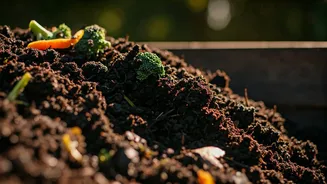
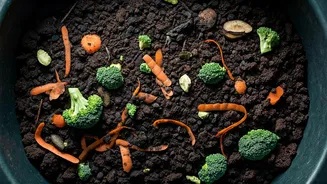
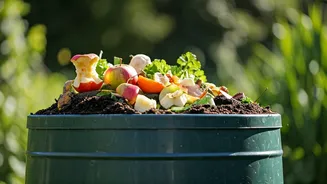
Rain, especially heavy spring downpours, can leach nutrients from the soil. Before you plant a single seed, think about giving back. This is the ideal time to amend your soil with compost or well-rotted manure. You don’t need a complex soil test to get started; adding a one- to two-inch layer of compost and gently working it into the top six inches of soil is a nearly universal recipe for success. Compost improves soil structure, helps it retain moisture (which is vital for later in the season), and provides a slow-release source of the essential nutrients your flowers will need to produce vibrant blooms. Think of it as serving your garden a nutrient-dense breakfast after a long winter’s sleep.
Choose Your Early Bloomers
With the soil prepped, the fun begins. But don’t rush to plant tender summer annuals like zinnias or marigolds. The threat of a late frost is still very real in most parts of the country. Instead, focus on cool-season flowers that can handle a little chill. Pansies and violas are classic choices that offer instant color and surprising resilience. For seeds, consider planting sweet peas, poppies, or larkspur, which actually prefer the cooler soil temperatures of early spring to germinate. For perennials, you’re not planting for blooms now, but establishing strong roots for the years to come. This is a great window to divide and replant overgrown hostas, daylilies, or irises from last year, giving them a fresh start before the heat sets in.