

From Hydration to Optimization
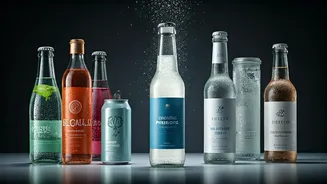
Walk down the drink aisle of any grocery store and you’ll see it: a dizzying array of cans, bottles, and powders that offer more than just quenching your thirst. This is the world of “functional beverages,” a category that has exploded from niche health
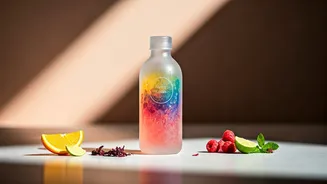
food stores into mainstream shopping carts. The term covers any non-alcoholic drink formulated with ingredients that promise a specific health benefit beyond simple nutrition. Think gut-friendly sodas like Poppi and Olipop packed with prebiotics, electrolyte powders like Liquid I.V. designed for “cellular hydration,” and adaptogenic drinks from brands like Recess and Kin Euphorics that claim to calm your mind or lift your mood. The core idea is simple: your drink should be *working* for you. It’s not just about staving off dehydration anymore; it’s about optimizing your body and mind, one sip at a time. This shift has turned a passive act—drinking when you’re thirsty—into a proactive, goal-oriented wellness ritual.
The Wellness-As-Status-Symbol Effect
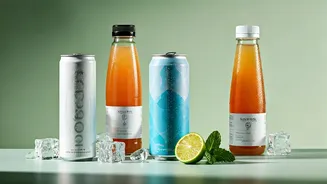
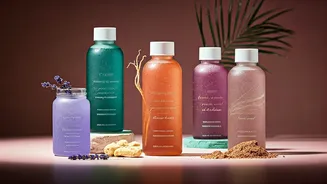
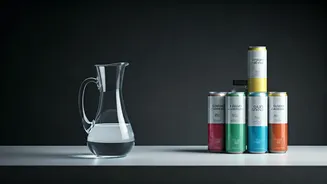
So, why the sudden pivot away from water? The rise of functional drinks is deeply tied to broader cultural trends. In an era of self-optimization and “biohacking,” everything is an opportunity for improvement. Your sleep, your steps, your screen time—and now, your hydration. These beverages are the liquid equivalent of a fitness tracker or a meditation app. They also tap into a deep-seated desire for control in an uncertain world; if you can’t manage the economy, at least you can manage your microbiome. Marketing has played a massive role, with brands creating beautifully designed, Instagram-worthy packaging that transforms a can of soda into a lifestyle accessory. Carrying a pastel-hued Olipop is a subtle signal: you’re in the know, you’re health-conscious, you’re investing in your well-being. It’s less about the drink itself and more about the identity it projects. Consumers aren’t just buying a product; they’re buying into an aspirational version of themselves.
A Gulp of Science (or Marketing?)
But do these elixirs deliver on their promises? The answer is complicated. Many functional ingredients have real science behind them. Electrolytes, for instance, are proven to aid hydration, especially after intense exercise. Probiotics and prebiotics can genuinely support a healthy gut microbiome. Ingredients like L-theanine, often found in “calming” drinks, have been shown to promote relaxation without drowsiness. However, context is key. The dosage in a single can may not be enough to produce a significant effect, and many of the more exotic ingredients, like adaptogenic mushrooms or nootropics, have promising but limited research supporting their efficacy in humans. It’s also important to read the label. Some “healthy” sodas still contain several teaspoons of sugar, and the benefits of added vitamins are often negligible if you already eat a reasonably balanced diet. The Food and Drug Administration (FDA) doesn’t regulate these health claims with the same rigor as it does for pharmaceuticals, leaving a wide-open field for savvy marketing to fill in the gaps.
In Defense of 'Basic' Water
Amidst the fizz of fiber-infused sodas and the buzz of brain-boosting seltzers, it’s easy to forget the quiet hero of the beverage world: plain water. It has zero calories, zero sugar, and zero additives. It’s essential for nearly every bodily function, from regulating temperature to lubricating joints and flushing out waste. It’s also significantly cheaper than any functional alternative. While a daily $4 can of “gut-healthy” soda might feel like a small investment, it adds up. For most people, most of the time, water is perfectly sufficient for hydration. The functional beverage boom has successfully positioned water as the “basic” option, the default you choose when you’re not trying to achieve something specific. But perhaps its simplicity is its greatest strength. It does its one job perfectly, without needing a clever brand name or a list of trendy ingredients to prove its worth. In a world obsessed with doing more, sometimes the best choice is the one that simply is.