

The New Nostalgia
Remember the joy of gas station snacks on a family road trip? The specific crunch of a cheese puff, the salty perfection of a regional chip brand, or the sugary bliss of a Hostess-style cake your grandma kept in the cupboard? For decades, those snacks have
been synonymous with comfort, but also with long, cryptic ingredient lists. Now, that's changing. The “better-for-you” movement, once confined to kale chips and rice cakes, is coming for the classics. This isn't about replacing your beloved junk food; it's about creating a parallel universe where the flavors you crave come with less sugar, more protein, and ingredients you can actually pronounce. This trend is driven by millennials and Gen Z, who have spending power and a deep-seated love for both nostalgic 90s culture and wellness-focused lifestyles. They want the familiar comfort of a cheese curl but made from chickpeas, or a pork rind that’s entirely plant-based.
The Salty Crunch, Reimagined
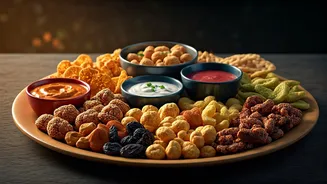
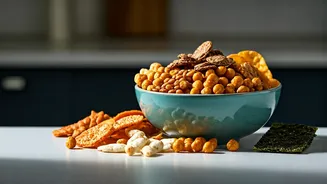
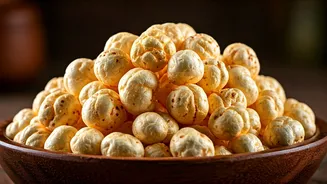
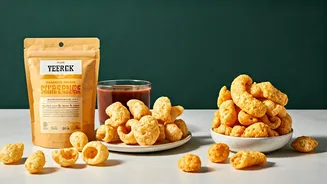
Nowhere is this trend more apparent than in the salty snack aisle. Take the iconic cheese puff. Brands like PeaTos are recreating the experience of Cheetos and Funyuns using a base of peas and lentils. The result is a snack with the same addictive crunch and cheesy dust but with added fiber and protein. It's a direct appeal to parents who grew up on the original but want a healthier option for their own kids. Similarly, the humble pork rind, a staple in Southern and Southwestern cuisine, has been given a double makeover. You can now find artisanal, “nose-to-tail” chicharrones from small-batch producers who emphasize quality sourcing. At the same time, brands like Outstanding Foods have created “PigOut,” a shockingly convincing plant-based pork rind made from rice, pea, and wheat that delivers that airy, fatty crispiness without any animal products. It’s a snack that honors a regional texture while radically reinventing its source.
Sweet Treats Without the Guilt
The wellness wave is also crashing over the dessert aisle. Think of the classic Midwestern potluck dessert table or the cream-filled cakes of the East Coast. Now, imagine them with zero sugar. Brands like HighKey have built an empire on this premise, creating keto-friendly cookies that mimic the taste and texture of Chips Ahoy but use alternative sweeteners like erythritol and monk fruit. They scratch a very specific itch for a familiar, packaged cookie experience without the blood sugar spike. This philosophy is also inspiring a new generation of bakers and entrepreneurs to tackle regional specialties. While they might not be on national shelves yet, small online bakeries are shipping out low-carb whoopie pies, gluten-free versions of Louisiana’s Hubig's Pies, and protein-packed riffs on the classic Texas sheet cake. They’re betting that the emotional connection to these treats is strong enough to make customers embrace a modernized, healthier recipe.
But Does It Still Feel Like a Treat?
This leads to the million-dollar question: does a “healthy” version of a beloved snack still satisfy the craving? The answer is complicated. For some, the magic of junk food lies precisely in its unhealthiness—it’s an indulgence, a deliberate break from routine. A cauliflower-crust pizza might be good, but it will never be a greasy, foldable New York slice. Food scientists at these new companies work tirelessly to replicate the “mouthfeel” and flavor profiles of the originals, a process that involves complex science to mimic how sugar caramelizes or how fat coats the tongue. Sometimes they succeed brilliantly. Other times, the result is a product that’s just…fine. It’s a good-enough substitute for a Tuesday night, but it won't replace the real thing you crave on a Saturday. The success of this trend hinges on managing expectations: these aren't exact replicas. They are new snacks, inspired by the old, for a consumer who prioritizes ingredients as much as taste.