
So, What Exactly Is Gulkand?
Imagine the most intensely aromatic rose you’ve ever smelled, then imagine that scent transformed into a sweet, decadent jam. That’s gulkand. At its core, it’s a simple preserve made from fresh damask rose petals and sugar. The name itself is a blend
of Persian words: ‘gul’ (rose) and ‘qand’ (sweet). But its creation is a patient art. Traditionally, layers of rose petals and sugar are placed in a glass jar and left to slowly 'cook' in the sun for weeks. This gentle, natural process melds the ingredients, breaking down the petals until they form a thick, luscious, and almost chewy preserve. The result isn't the light, perfume-like flavor you might get from rosewater; it's deeper, jammier, with notes of honey and a texture that adds a delightful substance to anything it touches.
A Taste of Tradition
While gulkand might be new to many American palates, it has a rich history in South Asia and the Middle East. For centuries, it has been a staple in Ayurveda, the ancient Indian system of medicine, where it’s prized for its cooling properties. It’s often recommended during hot summer months to help pacify excess body heat and is believed to aid in digestion. Its most famous traditional role, however, is as a key component in paan—a stimulating, palate-cleansing after-dinner chew made by wrapping areca nut, spices, and a smear of gulkand in a betel leaf. In that context, gulkand provides a burst of floral sweetness that balances the more astringent and pungent flavors in the mix. This history gives the ingredient a depth and cultural significance that goes far beyond its delicious taste.
From Paan to Panna Cotta
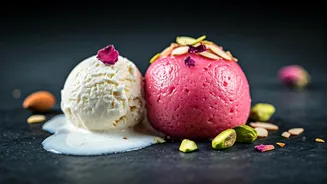
This is where the story gets exciting for modern foodies. Chefs across the U.S., particularly in South Asian-inspired and fusion restaurants, are realizing that gulkand’s complex profile is a playground for creativity. They’re deconstructing its traditional uses and applying its floral punch to Western-style desserts, creating surprising and memorable flavor combinations. Suddenly, gulkand is the star in scoop shops, folded into creamy ice cream bases to create a frozen treat that’s both refreshing and richly aromatic. It’s being swirled into cheesecakes, dolloped into macarons, and used as a filling for gourmet chocolates. The jammy texture makes it a perfect mix-in, adding little bursts of flavor and texture that a simple syrup couldn't. It’s a flavor that makes you stop and ask, “What is that?”—instantly sparking the very party conversation the headline promises.
Beyond the Dessert Plate
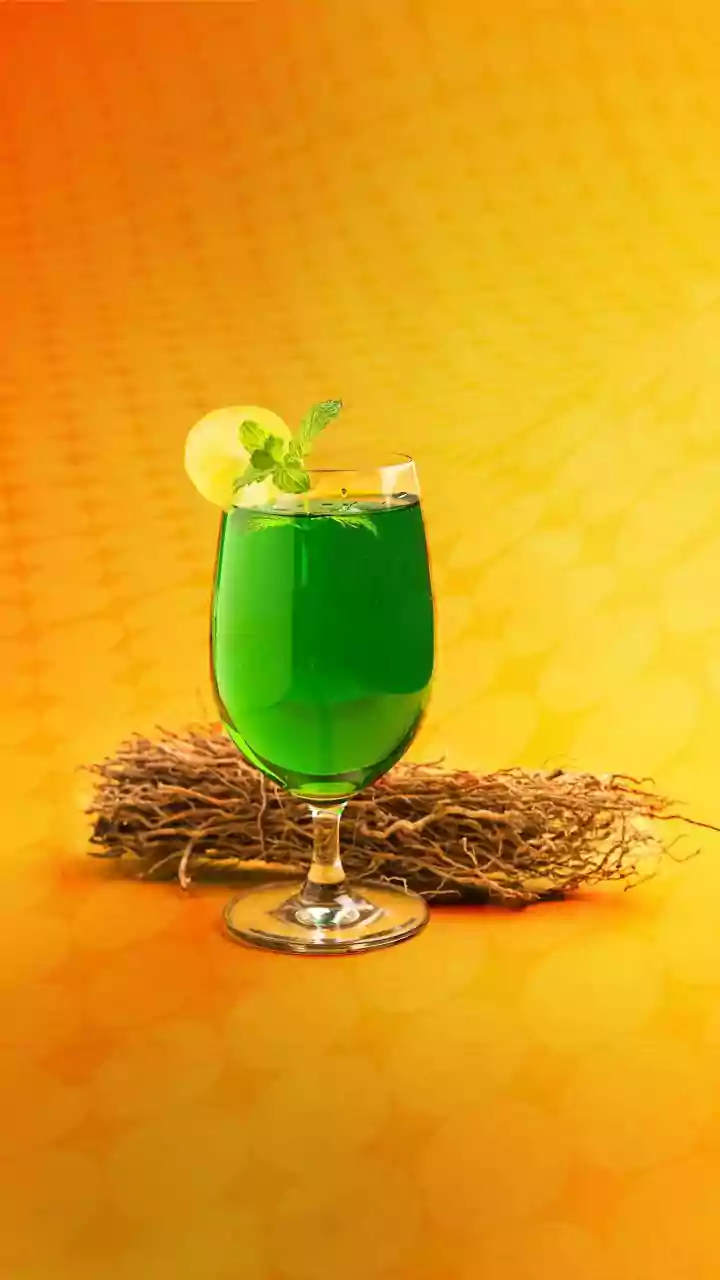
The gulkand renaissance isn’t stopping at dessert. Bartenders are getting in on the action, using its potent sweetness to craft inventive cocktails. A spoonful of gulkand can replace simple syrup in a gin fizz or a vodka sour, adding a layer of floral complexity that pairs beautifully with botanical spirits. Its rich, syrupy nature means it dissolves well, infusing the entire drink with its unique character. You might find it in a Gulkand Gin & Tonic or a Rose Old Fashioned. Even morning routines are getting an upgrade. Its natural sweetness makes it an elegant addition to a yogurt parfait, a topping for oatmeal, or a luxurious spread on a simple piece of toast. This versatility is key to its growing appeal; it's not a one-trick pony.
How to Bring It Home
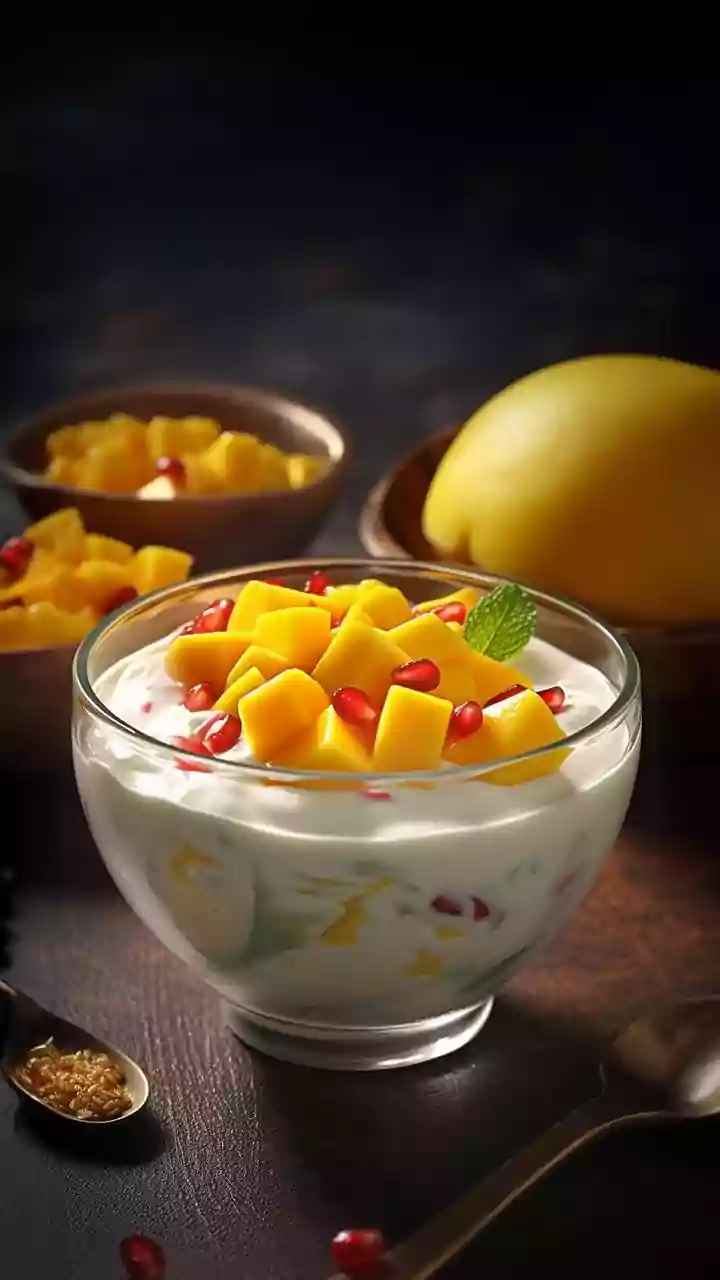
Intrigued? The best part is that you don’t need a reservation at a fancy restaurant to try it. Gulkand is readily available at most South Asian grocery stores, often found in jars near the pickles and chutneys. You can also easily find it online. When you buy a jar, you’re holding a powerhouse of flavor. Start simple: stir a teaspoon into a glass of cold milk for a refreshing rose milkshake, or mix it with Greek yogurt for a snack that feels truly special. Spread it on a buttery croissant, or use it as a surprise filling between two layers of a vanilla cake. Its concentrated flavor means a little goes a long way. Experimenting with it is half the fun and an easy way to bring a touch of global flair to your home kitchen.