



North America's Tallest Sandbox
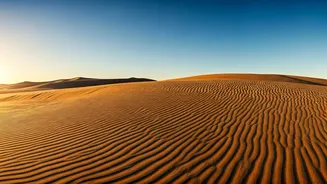
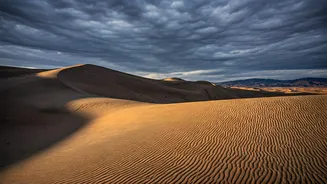
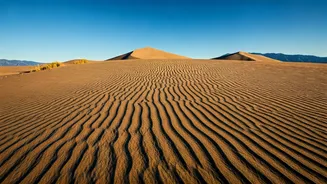
Welcome to Great Sand Dunes National Park and Preserve in southern Colorado, the most surreal landscape you’ll find east of the Rockies. Here, the tallest sand dunes in North America rise dramatically against the rugged backdrop of the Sangre de Cristo
Mountains. The highest, Star Dune, towers 750 feet from its base. This isn't a coastal beach or a vast, empty desert; it’s a geological marvel. For millennia, winds have carried sand and sediment from the San Luis Valley and deposited them at this specific curve in the mountain range. The result is a 30-square-mile sandbox for adventurers, photographers, and anyone seeking a dose of profound quiet and scale. The high-altitude air is crisp and dry, making it the perfect 'anti-rain' destination where the primary concern isn't an umbrella, but an extra bottle of water.
More Than Just Walking on Sand
While hiking the dunes is a breathtaking (literally, at 8,200 feet elevation) experience, the real fun begins when you embrace your inner child. The main attraction here is sandboarding and sand sledding. You can rent specially designed boards in the nearby towns of Alamosa or Mosca and spend a day carving down the sandy slopes. It’s a workout climbing back up, but the thrill of gliding down a mountain of sand is an unforgettable experience. For a truly unique phenomenon, visit in late spring or early summer. This is when Medano Creek, a seasonal stream fed by mountain snowmelt, creates a wide, shallow river along the edge of the dunefield. Families set up beach chairs and kids splash in the cool water, creating a bizarrely wonderful beach scene miles from any ocean.
An Escape That Shines After Dark
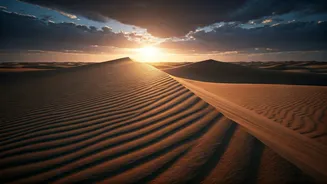
The magic of the dunes doesn't end when the sun goes down. In 2019, the park was certified as an International Dark Sky Park, recognizing its pristine, light-pollution-free night skies. The combination of high altitude, dry air, and rural location provides a jaw-dropping canvas for stargazing. On a moonless night, the Milky Way stretches across the sky in a brilliant, hazy band that most Americans never get to see. The silence of the dunefield at night, broken only by the wind, adds to the profound sense of wonder. Visitors often lay on blankets on the cooling sand, watching for meteors and identifying constellations. It’s a humbling reminder of the universe's scale and a core part of the park's immersive escape.
Planning Your High-Desert Adventure
The best times to visit are spring and fall. Spring (May-June) offers the allure of Medano Creek and pleasant daytime temperatures, while fall (September-October) brings cooler weather, fewer crowds, and the golden shimmer of changing aspen trees in the surrounding mountains. Summer can be brutally hot, with sand surface temperatures soaring above 150°F, making midday excursions dangerous. Regardless of when you go, pack for extremes: bring layers for cool nights, a wide-brimmed hat, sunglasses, and high-SPF sunscreen. Water is non-negotiable; drink more than you think you need. You can camp at the park’s Piñon Flats Campground (book well in advance) or find lodging in Alamosa, about a 40-minute drive away. Remember to rent your sandboard *before* you enter the park, as they are not available inside.
The 'Save' In Your Sandy Escape
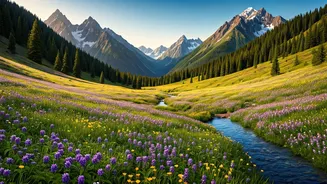
The headline’s call to 'save' these dunes isn’t just poetic. This is a fragile, complex ecosystem. The park protects not just the dunes but also the alpine tundra, forests, wetlands, and grasslands that surround them. The unique hydrology that creates Medano Creek is sensitive to changes in climate and water usage in the valley. By visiting responsibly—packing out everything you bring in, staying on designated trails in non-dune areas, and respecting wildlife—you contribute to its preservation. Supporting the National Park system through entrance fees and donations ensures that this otherworldly landscape, a repository of silence, adventure, and cosmic beauty, remains protected for future generations to discover when they, too, need an escape from the rain.