






Understanding the Urban Heat Island
On a scorching summer afternoon, a city can be a full 10 degrees Fahrenheit warmer than its leafy suburbs just a few miles away. This isn't just a feeling; it's a well-documented phenomenon known as the urban heat island effect. Our cities are built with
materials like asphalt, concrete, and dark roofing that are incredibly efficient at absorbing and retaining the sun’s energy. Throughout the day, these surfaces bake, and long after the sun sets, they continue to radiate that stored heat back into the air, preventing the city from cooling down overnight. This persistent heat isn't just a matter of discomfort. It drives up energy consumption as air conditioners work overtime, straining the electrical grid and increasing utility bills. It also worsens air quality by accelerating the formation of ground-level ozone (smog) and can pose serious health risks, particularly for vulnerable populations like the elderly, young children, and those with respiratory conditions. In essence, the very infrastructure that defines our modern cities is inadvertently creating a hotter, more dangerous environment.
How Green Roofs Act as Cooling Machines
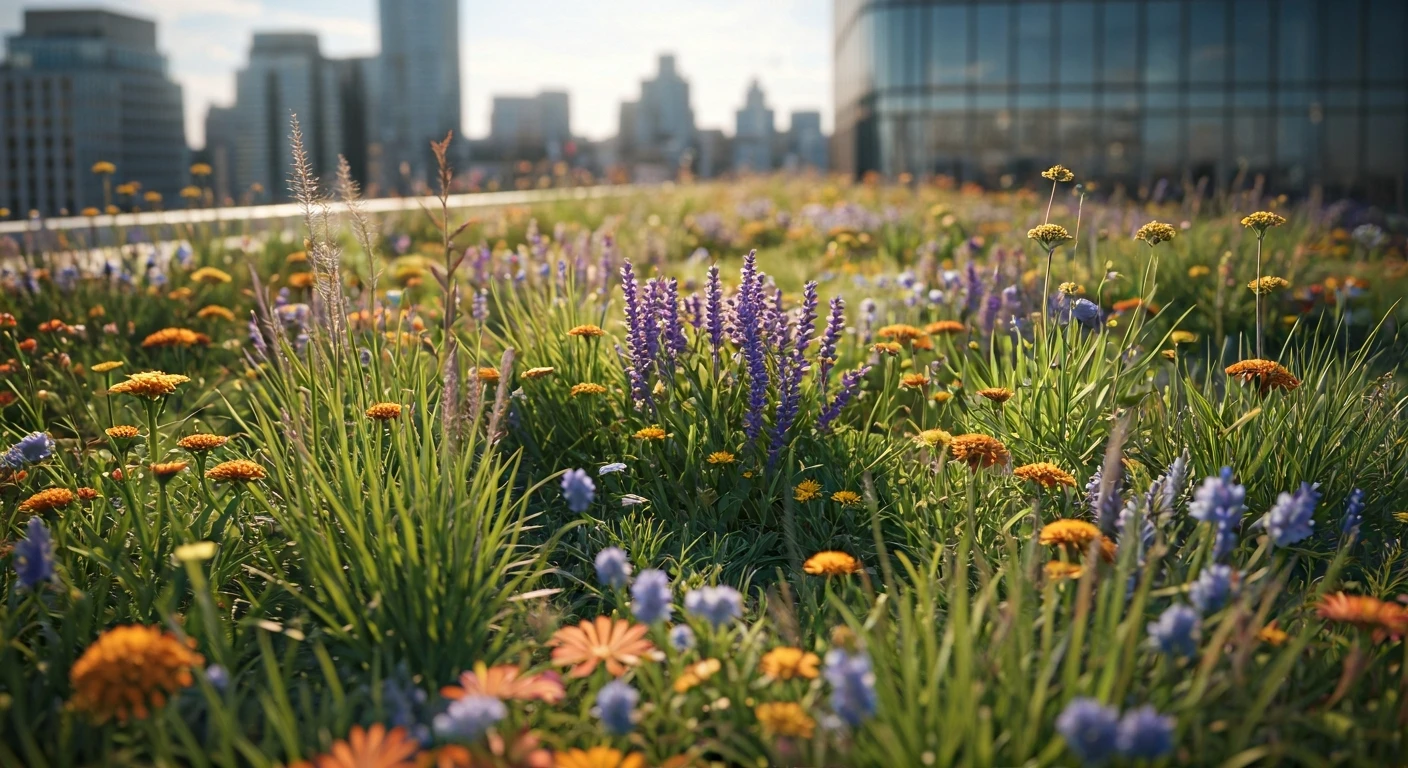
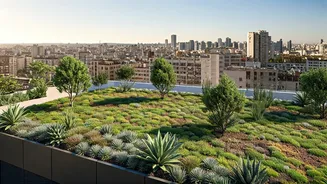
Rooftop gardens, or 'green roofs,' are far more than just an aesthetic upgrade. They are active, living systems that directly counteract the heat island effect through several key mechanisms. The most significant is a process called evapotranspiration. Just like a tree provides shade and cools the air around it, the plants on a green roof absorb water through their roots and release it as vapor into the atmosphere. This natural process has a powerful cooling effect on the immediate surrounding air and the roof surface itself. Beyond that, the soil and vegetation provide a crucial layer of insulation. A traditional black tar roof can reach temperatures of 150°F or more in direct sun. A green roof, by contrast, might stay at a comfortable 80°F. This thermal barrier prevents heat from penetrating the building below, dramatically reducing the need for air conditioning and lowering energy costs for the building's occupants. Finally, the plant cover itself shades the roof membrane, protecting it from intense UV radiation and extending its lifespan, adding a long-term financial benefit to the clear environmental one.
The Role of Government Funding
While the benefits are clear, green roofs have one significant barrier: cost. Installing a living roof—with its necessary layers for drainage, waterproofing, and soil—is more expensive upfront than a conventional roof. For many property owners and developers, this initial investment can be a deal-breaker, even with the promise of long-term energy savings. This is where government funding becomes essential. Recognizing that the benefits of a single green roof extend to the entire community (through cooler air and reduced grid strain), many U.S. cities have created programs to close this financial gap. These incentives take various forms: direct grants that cover a portion of the installation cost, tax abatements that reduce property taxes for a number of years, or rebates for every square foot of green space installed. By subsidizing the initial cost, these programs transform green roofs from a luxury feature into a viable, large-scale infrastructure solution, accelerating their adoption across the urban landscape.
Cities Leading the Green Revolution
This isn't just a theoretical concept; it's a policy in action across America. Chicago has been a pioneer for decades, with its iconic City Hall green roof serving as a living laboratory and its policies encouraging hundreds of other projects. New York City offers a significant Green Roof Tax Abatement, providing a substantial tax break to building owners who install vegetated roofs. Denver's Green Buildings Ordinance requires most new, large buildings to incorporate green elements, including cool roofs and vegetated spaces, pushing developers to build more sustainably from the ground up. Philadelphia has its own grant program, specifically targeting projects that also manage stormwater—another key benefit of green roofs. These city-level initiatives demonstrate a growing understanding that investing in green infrastructure is a direct investment in public health, climate resilience, and urban livability.