


The Backlash Against 'Perfect' Travel
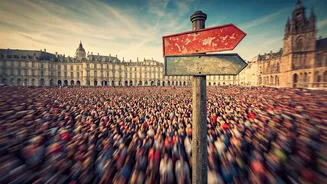
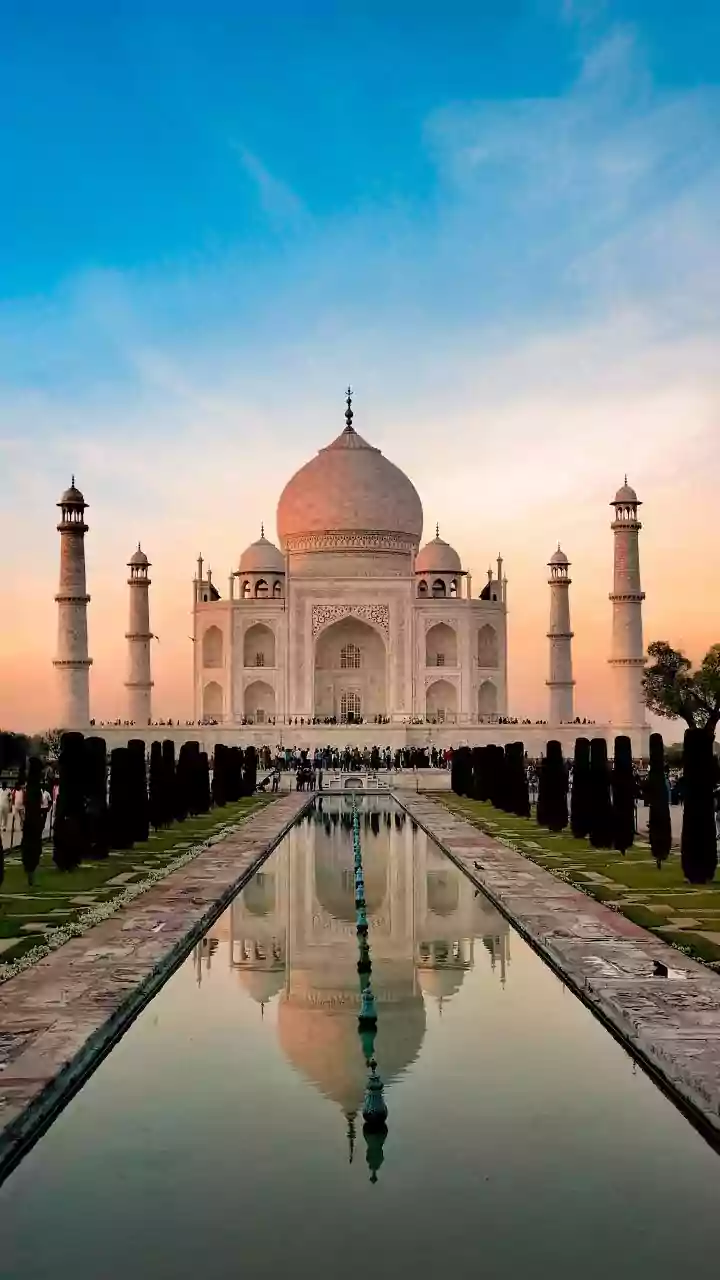
For years, the goal was a flawless, sun-drenched escape, perfectly curated for social media. But for many, the gloss has worn off. Peak season travel has become an exhausting, expensive gauntlet of selfie-stick-wielding crowds, hour-long lines for a single
photo, and prices that induce vertigo. Destinations like Venice, Barcelona, and even U.S. National Parks are buckling under the strain of overtourism, leading to a diminished experience for everyone. This burnout has created an opening for a new travel philosophy. Instead of fighting for a 10-second view of the main attraction in July, what if you could have the whole museum to yourself in November? The off-season—particularly the drizzly, unpredictable shoulder months of fall and spring—is no longer seen as a compromise. It’s a strategic choice for travelers prioritizing authenticity and sanity over a guaranteed tan.
The Rise of the 'Moody' Aesthetic
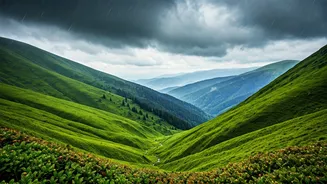
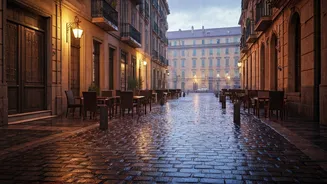
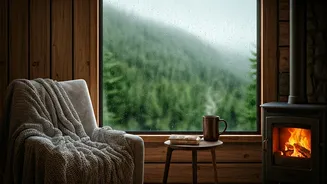
Culture has a way of shaping our desires, and right now, it’s embracing the atmospheric. The visual language of TikTok and Instagram has shifted from hyper-saturated beach photos to something more cinematic and evocative. Think of the appeal of the “moody travel” aesthetic: a cozy sweater in a misty Scottish glen, the rain-streaked window of a Parisian café, the dramatic coastline of the Pacific Northwest under heavy clouds. It’s less about performative happiness and more about embracing a full spectrum of experiences. This isn't just about pretty pictures. It taps into a deeper desire for coziness and introspection—the Danish concept of *hygge* or the Scottish *còsagach*. A rainy day on vacation gives you permission to slow down: to spend three hours in a bookstore, linger over a long lunch, or return to your hotel for a nap without feeling guilty. In a world that demands constant optimization, a trip that encourages you to simply be is the ultimate luxury.
Smarter, Cheaper, and More Sustainable
Beyond the vibes, the practical arguments for off-season travel are undeniable. The financial benefits are the most obvious draw. Flights and accommodations can be dramatically cheaper outside of peak windows, leaving more of your budget for great food and memorable activities. But the value goes deeper. When you travel during the shoulder seasons, you’re putting less strain on local infrastructure and supporting businesses during what would otherwise be a quiet period. It’s a more sustainable form of tourism that benefits both the visitor and the destination. Moreover, you get a fundamentally different experience. With fewer tourists, the line between visitor and local blurs. You see a city as it’s lived in, not just as it’s presented to outsiders. Shopkeepers have time for a conversation, you can get a table at that famous restaurant without a reservation made six months prior, and the rhythm of the place feels more genuine.
Where to Embrace the Drizzle
This approach works almost anywhere, but some destinations truly come alive when the weather turns. Ireland and Scotland, famous for their verdant landscapes, are arguably at their most romantic when shrouded in mist. The streets of Rome or Florence in November, free from the summer crush, feel like your own personal movie set. In the U.S., the Pacific Northwest is an obvious choice, where rain is a core part of the region’s identity and cozy coffee shops provide ample refuge. Even classic sunny destinations offer a different charm. Consider New Orleans in the quiet humidity of late fall, or the coast of Maine after the summer crowds have departed, leaving behind only the rugged beauty of the sea and sky. The key is a mental shift: stop seeing rain as a trip-ruiner and start seeing it as an ingredient that adds texture, mood, and an excuse to pack a really great trench coat.