


A National Obsession Takes Center Stage
In the United States, we might get excited about a good peach season. In India, the mango is something else entirely. It’s the undisputed “king of fruits,” an object of national pride, poetic inspiration, and fierce regional debate. The annual Delhi Mango
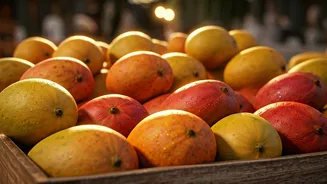
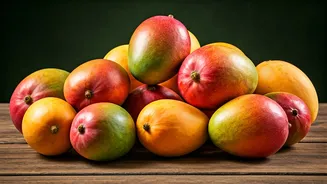
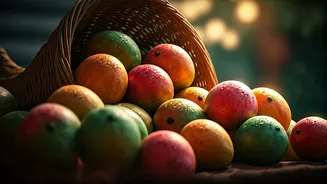
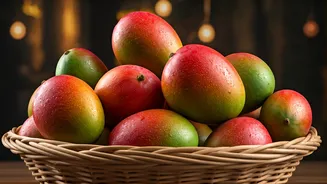
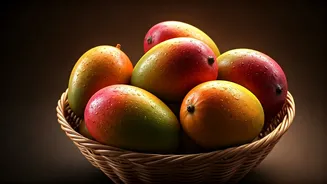
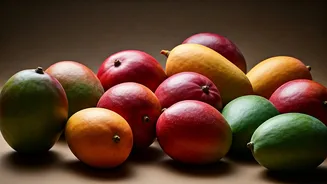
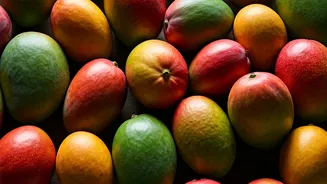
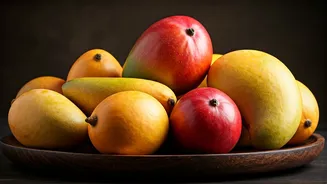
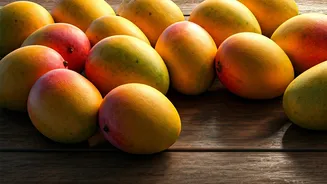
Festival, or 'Aam Mahotsav,' isn't just a farmer's market; it's the physical manifestation of a 1.4 billion-person love affair. For a few sweltering, glorious days, a venue like the famed Dilli Haat transforms into a golden-hued paradise dedicated to this single fruit. Stall after stall is piled high with pyramids of green, yellow, orange, and blush-pink mangoes, creating a visual and olfactory overload that stops you in your tracks. This isn't just about shopping for groceries; it's a pilgrimage for fruit fanatics and a cultural crash course for everyone else.
Your Field Guide to the Mango Maze
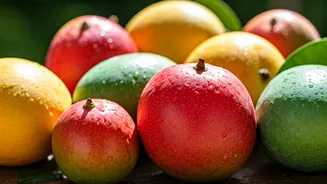
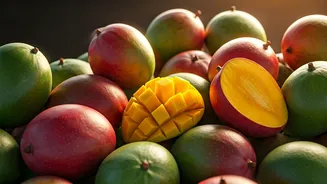
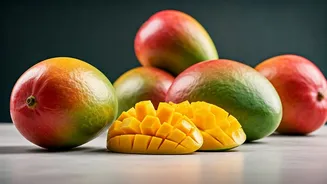
The first thing you’ll notice is the staggering variety. The uniform, reddish-green Tommy Atkins mango common in American supermarkets is nowhere to be found. Instead, you're faced with a dizzying array of shapes, sizes, and names that sound like characters from a grand epic. There’s the world-famous Alphonso, or 'Hapus' from Maharashtra, a non-fibrous, intensely sweet variety so prized it's practically currency. Then there's the Langra from Varanasi, with its slight, pleasant tartness and greenish skin, even when ripe. Don't miss the Dasheri from Uttar Pradesh, long and elegant with a fiberless pulp and honey-sweet flavor, or the Chausa, a late-season hero known for its incredible sweetness and sunshine-yellow skin. Farmers are on hand, eager to slice open a sample, tell you the story of their orchard, and explain why their region’s mango is, without question, the best in all of India. The unspoken rule? You must try them all.
Beyond the Fresh Fruit
Once you’ve tasted a dozen or so varieties raw, the real adventure begins. The festival is a showcase of culinary creativity where the mango is the star ingredient in dishes you’ve never imagined. Forget a simple mango sorbet. Here, you’ll find vendors selling rich, creamy mango kulfi, a traditional Indian ice cream, tangy aam panna, a refreshing raw mango drink that’s a lifesaver in the Delhi heat, and of course, gallons of thick, luscious mango lassi. But the innovation goes further. Stalls offer savory mango chutneys, spicy mango pickles, achar, and even main courses like mango curry. For the truly adventurous, some years have even featured experimental dishes like mango biryani or mango pizza, proving there’s no culinary boundary that can’t be crossed in the name of this beloved fruit.
More Than Just a Market
While the mangoes are the main event, the festival’s atmosphere is what makes it a truly memorable experience. This is a family affair. You’ll see children with juice-stained faces competing in mango-eating contests, their goal not to win, but to devour as much as humanly possible. There are cultural programs with folk music and dance, adding a vibrant soundtrack to the buzz of happy crowds. It’s a place where commerce and celebration blur. People don't just buy a few mangoes; they buy them by the crate, carefully packing boxes to ship to less fortunate relatives in other parts of the country. The air is thick with laughter, bargaining, and the shared joy of indulging in summer’s greatest gift. It’s a snapshot of modern India: rooted in tradition, bursting with flavor, and deeply, unapologetically passionate about the things that matter.