

What is 'Fibre-Forward' Eating?
Think of the last time you felt sluggish after a big meal. The 'fibre-forward' approach is the antidote. It’s not a diet, but a shift in focus. Instead of centering a meal on heavy creams and refined breads, it prioritizes ingredients naturally packed
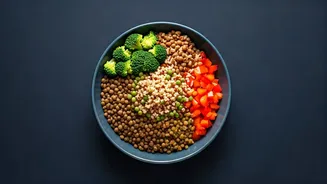
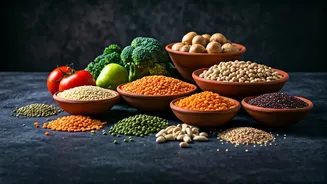
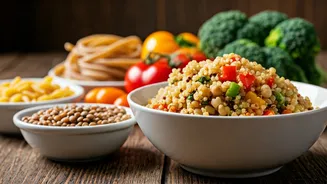
with dietary fiber: lentils, legumes, whole grains, and a sprawling universe of vegetables. This isn't about subtraction; it's about addition and balance. Fiber is a powerhouse for gut health, aids in digestion, and provides a feeling of lasting fullness that prevents energy crashes. By building your plate around these components, you get all the complex, layered flavors of Indian cuisine without the post-meal heaviness. It's about crafting meals that energize you, not weigh you down.
Beyond the Buffet Mentality
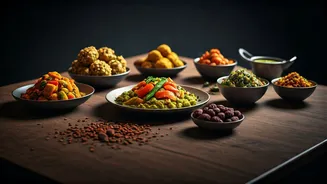
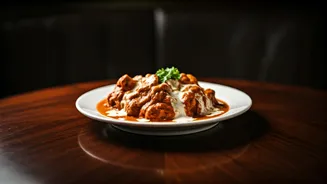
The perception of Indian food in the U.S. has long been shaped by restaurant buffets and takeout menus, which often showcase rich, Mughlai-inspired dishes like chicken tikka masala, buttery naan, and creamy kormas. While delicious, these represent only a fraction of what the subcontinent has to offer. The everyday food cooked in millions of Indian homes is profoundly different. It’s typically simpler, seasonal, and built on a foundation of dal (lentils), sabzi (vegetable stir-fries), and whole-grain flatbreads like roti. This fibre-forward 'mood' is essentially an embrace of this home-style-cooking philosophy—one that sees food as daily nourishment rather than an occasional indulgence. It’s about ditching the 'special occasion' mindset and discovering how vibrant and healthy everyday Indian cooking can be.
The Unsung Heroes: Lentils and Legumes
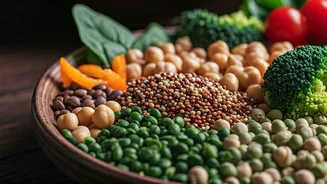
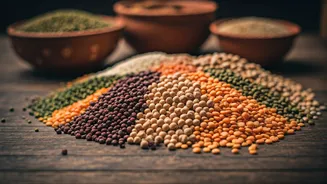
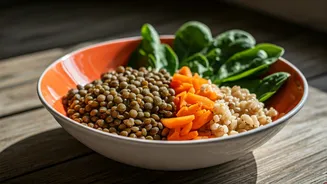
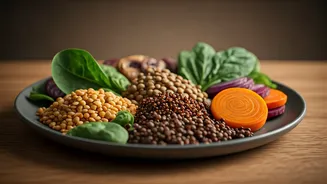
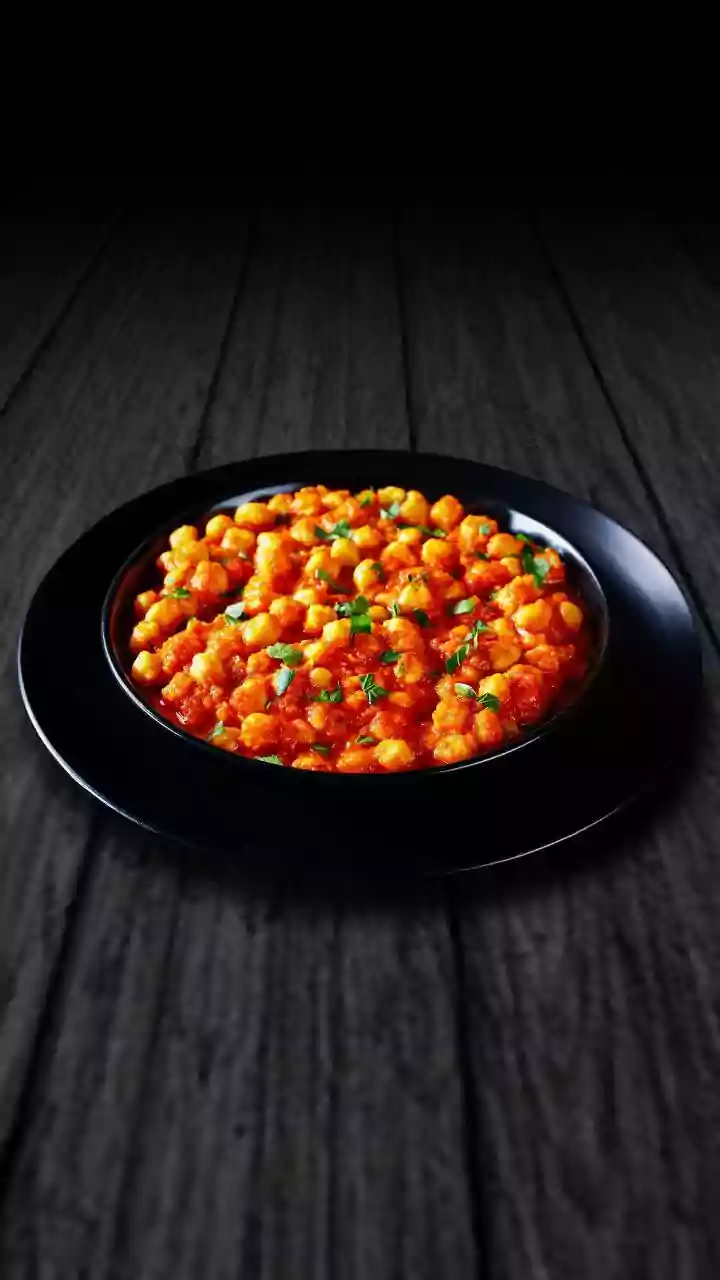
Lentils and legumes are the undisputed soul of fibre-forward Indian cuisine. They are inexpensive, protein-rich, and a phenomenal source of fiber. A simple bowl of dal is a daily staple for hundreds of millions. Start exploring with *masoor dal* (red lentils), which cook quickly into a creamy, comforting soup. Move on to *chana masala*, a robust chickpea curry that’s both hearty and healthy. For a taste of Southern India, try *sambar*, a tangy lentil-and-vegetable stew packed with tamarind and spices. These dishes are deeply satisfying and prove that you don't need meat or heavy cream to create a filling, flavorful meal. They form a versatile base that can be seasoned in countless ways, offering a new experience with every preparation.
Embrace Whole Grains, Not Just Naan
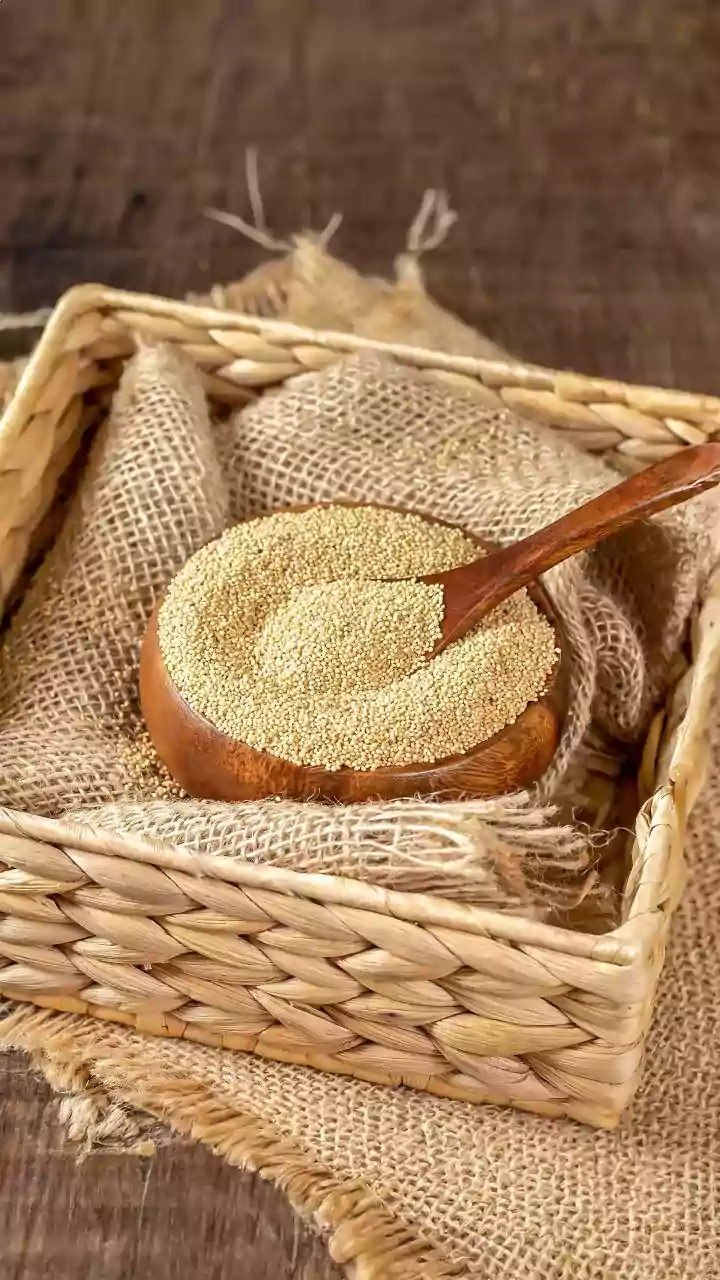
While fluffy, garlic-slathered naan is a delight, it's typically made with refined white flour. A fibre-forward plate looks to the world of Indian whole grains. The most common is *roti* or *chapati*, a simple, unleavened flatbread made from whole wheat flour (*atta*). It's the perfect vehicle for scooping up dal and sabzi. But the adventure doesn't stop there. Explore rustic flatbreads made from other grains, like *bajra* (pearl millet) or *jowar* (sorghum), which offer a nutty, earthy flavor and an extra dose of nutrients and fiber. Many Indian grocery stores sell the flours, and with a little practice, making these at home is surprisingly simple. They offer a more complex texture and a far superior nutritional profile to their refined-flour counterparts.
The Vegetable Revolution
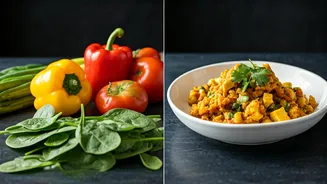
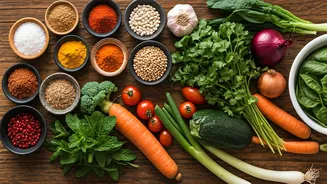
Indian cuisine boasts a masterful way with vegetables that goes far beyond the standard potato-and-pea filling of a samosa. A fibre-forward approach celebrates this diversity. Look for simple stir-fries called *sabzis* or *poriyals*. Try *bhindi masala*, a spiced okra dish that transforms the sometimes-slimy vegetable into a crisp, delicious star. Explore the subtle flavors of gourds like *lauki* (bottle gourd) or bitter melon (*karela*), which are prized for their health benefits. Even familiar vegetables like cauliflower shine in dishes like *aloo gobi*. The key is the technique: quick cooking with a symphony of spices like turmeric, cumin, and coriander seed, which enhances the vegetable's natural flavor without drowning it in sauce.