








What Does ‘Cleaner’ Even Mean?
First, let’s get on the same page. “Cleaner” isn’t a term regulated by the FDA or any pet food authority. Instead, it’s a marketing umbrella for a philosophy that consumers instinctively understand. It means foods with recognizable, whole-food ingredients—think
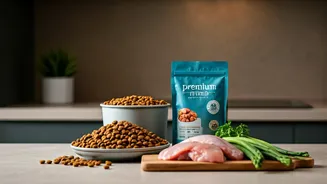
real chicken, beef, carrots, and sweet potatoes. It’s about short, pronounceable ingredient lists, free from the artificial preservatives, fillers like corn and soy, and mysterious “meal” byproducts that have long defined mass-market kibble. Brands driving this trend offer everything from gently cooked fresh food delivered frozen, to freeze-dried raw options, to limited-ingredient diets designed for pets with sensitivities. In essence, it’s pet food that looks a lot more like human food.
The Humanization of the Pet Aisle
The core driver behind this shift is simple: the “humanization” of pets. For a growing number of Americans, particularly Millennials and Gen Z, pets are not just animals; they are family members, “fur babies,” or starter children. This emotional bond changes the calculation of care. Once you see your dog or cat as a member of the family, feeding them the cheapest, most processed food available starts to feel a bit like feeding a human child nothing but convenience-store snacks. Pet owners are applying the same standards of care and nutrition to their pets that they apply to themselves and their loved ones. This isn't just about food; it’s a reflection of a deeper cultural shift in our relationship with domestic animals.
Your Diet Is Now Your Dog's Diet
This trend runs parallel to the wellness movement that has reshaped human food culture over the past two decades. As people became more conscious of organic produce, non-GMO labels, gluten sensitivities, and the benefits of a paleo or keto diet, it was only a matter of time before those concerns trickled down to the pet bowl. If you’re carefully avoiding processed foods and seeking out nutrient-dense meals for yourself, the cognitive dissonance of pouring a bowl of brown, shelf-stable pellets for your furry best friend becomes harder to ignore. Pet food companies have capitalized on this, using familiar wellness buzzwords—'human-grade,' 'grain-free,' 'superfoods'—to signal that their product aligns with the owner's own dietary values.
Convenience Delivered Monthly
The headline's mention of a “monthly priority” points to the second key innovation: the business model. The rise of cleaner pet food is inextricably linked to the direct-to-consumer (DTC) subscription service. Companies like The Farmer’s Dog, Nom Nom, and Smalls have bypassed traditional retail entirely. They offer online quizzes to create customized meal plans based on a pet's age, breed, weight, and activity level. The pre-portioned meals are then shipped directly to the customer’s door on a recurring schedule. This model does two things: it provides ultimate convenience for the owner and creates a predictable, recurring revenue stream for the company. It transforms pet food from a one-off purchase at the grocery store into a budgeted, non-negotiable monthly subscription, just like Netflix or your gym membership.
Reading the Price Tag, Not Just the Label
There is, of course, an elephant in the room: the cost. Fresh, human-grade pet food can be anywhere from two to five times more expensive than traditional kibble. For many households, this is a significant financial commitment. Yet, millions are making it work. The value proposition for these consumers isn’t just about the ingredients; it's about peace of mind. Many owners justify the expense as a preventative health measure, hoping that a better diet will lead to fewer vet bills down the line. They see shinier coats, more energy, and resolved digestive issues, reinforcing their belief that the investment is worth it. For them, it’s not an indulgence—it’s responsible pet ownership in the 21st century.