






Direct-to-Consumer Brands Are Key
One of the biggest drivers of affordability is the explosion of direct-to-consumer (DTC) brands. Companies like Quince, Everlane, and Mott & Bow have built their businesses by cutting out traditional retail middlemen, which often translates to lower prices
for high-quality materials. For travelers, this is a game-changer. Suddenly, items that were once a luxury—think cashmere sweaters for $50 or performance-blend chinos for under $100—are accessible. These brands often focus on timeless, minimalist designs that are perfect for building a travel capsule wardrobe. Instead of buying a flashy jacket you’ll wear on one trip, you can invest in well-made basics like merino wool tees, versatile pants, and neutral layers that serve you on a weekend getaway to Chicago or a two-week tour of Italy.
Versatility Is the New Virtue
The market has finally caught up to what savvy travelers have known for years: a single item should be able to do multiple jobs. Brands are no longer just selling ‘hiking pants’ or ‘dinner dresses.’ Instead, the focus has shifted to versatile pieces that can be dressed up or down. Think pants made from a wrinkle-resistant, stretchy fabric that look sharp enough for a museum but are comfortable enough for a long-haul flight. Or a simple black dress in a moisture-wicking jersey that works for a morning market stroll with sneakers and a nice dinner with sandals. This shift away from hyper-specialized gear means you buy fewer items overall. Your travel wardrobe becomes smaller, lighter, and, crucially, less expensive, as each piece earns its place in your suitcase by pulling double or triple duty.
Performance Fabrics Go Mainstream
Not long ago, fabrics with technical properties like moisture-wicking, wrinkle-resistance, and odor control were confined to high-end outdoor and athletic brands with price tags to match. Today, these materials are everywhere. Uniqlo’s AIRism and HEATTECH lines are prime examples, offering affordable base layers and everyday clothing that regulate temperature and feel great against the skin. You can now find office-appropriate button-downs made from fabric that stretches and breathes, or T-shirts that look like cotton but dry in an hour. This democratization of performance textiles means you don't have to choose between looking good and feeling good. You can pack for a multi-climate trip without needing an entirely separate wardrobe for each leg of the journey, saving both space and money.
The Capsule Wardrobe Mindset
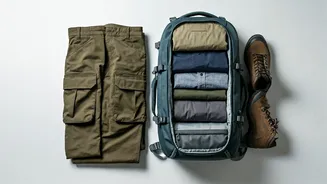
More a philosophy than a product, the rise of the capsule wardrobe concept has profoundly influenced how we think about packing. The core idea is to select a limited number of complementary items that can be mixed and matched to create numerous outfits. This intentional approach forces you to focus on value and versatility rather than impulse buys. Instead of packing 14 different tops for a 14-day trip, you pack five that all work with the same two pairs of pants and one skirt. Retailers are noticing, with many now curating collections or suggesting pairings on their websites. This mindset shift is inherently pocket-friendly because it combats over-packing and over-spending, encouraging a more sustainable and thoughtful approach to what you buy and bring.
Thinking Beyond the 'Travel' Aisle
Perhaps the most significant cost-saving strategy is realizing that great travel clothes aren't always labeled as such. The 'travel' tag often comes with a premium. The smartest shoppers look for the right attributes, not the right marketing. Your favorite pair of comfortable, quick-drying yoga pants from Target or Old Navy might be a better travel companion than a $150 pair of branded 'travel pants.' A simple, well-made merino wool sweater from a department store sale can do the same job as one from a boutique adventure outfitter. By focusing on material (merino, tencel, smart synthetics) and function (wrinkle-resistance, neutral color, comfortable fit), you can build an amazing travel wardrobe from stores you already shop at, often at a fraction of the cost.