





The End of the Checklist Vacation
For decades, the mark of a successful trip was a completed checklist. See the Eiffel Tower? Check. Snap a photo at the Colosseum? Check. Run through the Louvre in 90 minutes? Double-check. This approach, driven by a fear of missing out, often resulted
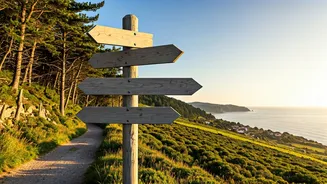
in a frantic blur of travel—a collection of sights seen but not truly experienced. The itinerary became a rigid taskmaster, shuttling travelers from one crowded hotspot to another, leaving little room for spontaneity or genuine connection. But a growing weariness with this “checklist tourism” is palpable. Travelers are returning home with a nagging feeling that despite seeing everything on the list, they might have missed the entire point. The exhaustion of over-planning and the emptiness of manufactured photo-ops are pushing people to ask if there’s a better, more fulfilling way to see the world.
In Search of Real Connection
So, what's driving the shift? It’s a profound search for authenticity in an increasingly digital and disconnected world. After years of viewing travel through the hyper-curated lens of social media, many are craving experiences that are messy, unscripted, and real. This isn't just about avoiding crowds; it's about replacing passive sightseeing with active participation. The new travel currency isn't the number of countries visited, but the depth of the experience in a single place. It’s the difference between taking a photo of a market and spending the morning learning to cook with ingredients you bought there. This desire for meaningful connection—to a place, its people, and its culture—is redefining what it means to be a traveler rather than just a tourist. It’s a rebellion against the idea that a place is merely a backdrop for a selfie.
What 'Local Stories' Really Looks Like
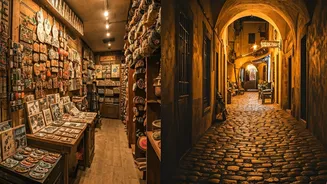
Swapping timetables for stories isn't about aimlessly wandering and hoping for a magical encounter. It's about making intentional choices to prioritize depth over breadth. In practice, this takes many forms. It could mean booking a food tour led by a lifelong resident who tells the history of the city through its dishes. It could be choosing a farm stay in Tuscany over a hotel in central Florence, where the “story” is the daily rhythm of agriculture. It might be dedicating an entire afternoon to one neighborhood cafe, observing daily life unfold, instead of rushing to three different museums. Companies and platforms are responding to this demand, with a boom in services offering everything from home-cooked meals with local families (like Eatwith) to niche walking tours focused on street art, literature, or social history, all led by passionate locals rather than scripted guides.
The Rise of 'Slow Travel'
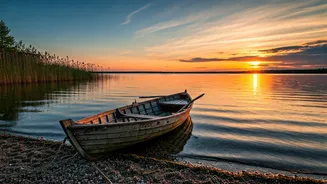
This entire movement has a name: “slow travel.” Inspired by the “slow food” movement, it advocates for a more mindful and sustainable approach to exploring the world. Slow travel encourages staying in one place for longer, using local transport, eating at family-run establishments, and making choices that benefit the local community and environment. It’s a philosophy that rejects the idea that you must “conquer” a destination. Instead, you let the destination reveal itself to you on its own terms. By slowing down, travelers find they not only have a more relaxing and enriching experience but also reduce their carbon footprint and contribute more positively to the local economy, avoiding the pitfalls of overtourism that have plagued so many iconic locations.