






A Preemptive Strike Against Lifestyle Disease
To understand the rise of biomarker tracking in India, you first have to understand the country's looming health crisis. India has one of the highest rates of type 2 diabetes and cardiovascular disease in the world, conditions often linked to diet and lifestyle.
For decades, healthcare has been reactive—you see a doctor when you get sick. But for a new generation of millennials and Gen Z, many of whom have watched their parents and grandparents struggle with these chronic illnesses, waiting is no longer an option. They see data as a defensive weapon. By tracking metrics like blood glucose, sleep quality, and heart rate variability (HRV), they aim to make small, proactive adjustments to their diet and habits to prevent long-term problems, turning personal health into a manageable, data-driven project.
The Rise of Aspirational Health Tech
This trend isn’t happening in a vacuum; it’s being fueled by a vibrant domestic tech scene. Indian startups like Ultrahuman, HealthifyMe, and Oura (which is popular globally) are marketing these devices not just as medical tools but as aspirational lifestyle products. Borrowing a page from Silicon Valley’s biohacking playbook, they’ve framed biomarker tracking as a way to “unlock” peak performance. Their slick marketing targets young, ambitious professionals, promising optimized energy levels, enhanced focus, and improved athletic recovery. The message is clear: if you want a competitive edge in today’s hustle culture, you need to start by optimizing your own biology. This has successfully transformed what was once a niche gadget for diabetics or elite athletes into a must-have for the modern urbanite.
From Step Counts to Glucose Spikes
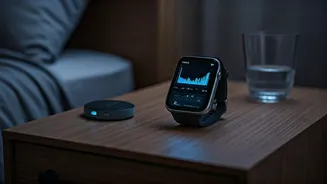
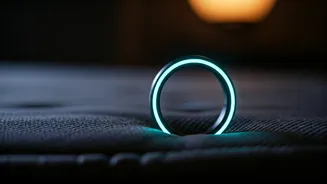
This isn’t your parents’ Fitbit. While basic fitness trackers focus on steps and heart rate, the new wave of devices offers a far more granular look inside the body. The centerpiece for many is the continuous glucose monitor (CGM), a small sensor that provides real-time feedback on how different foods affect blood sugar. Users can see exactly how a plate of biryani versus a bowl of lentils impacts their energy and inflammation. Paired with smart rings and other wearables that analyze sleep stages, body temperature, and stress levels, it creates a comprehensive dashboard of one's metabolic health. This move from macro-tracking (calories, steps) to micro-tracking (glucose spikes, REM sleep) represents a profound shift in how people engage with their well-being, moving from guesswork to precise, personalized data.
The New Digital Status Symbol
In a country where social signaling is a powerful cultural force, the visible presence of a CGM or a sleek smart ring has become a status symbol. It tells the world you are health-conscious, tech-savvy, and invested in self-improvement. It’s a conversation starter at the gym, in the office, and on social media, where influencers post screenshots of their glucose charts and share “hacks” for flattening their curve. For many young Indians with growing disposable incomes, spending on wellness and preventative tech feels like a smarter investment than traditional luxury goods. It’s a way of signaling not just wealth, but a commitment to a modern, optimized, and long life, making it the ultimate flex for a generation focused on personal growth.