





What Exactly Is a Zen Corner?
Think of it as a micro-retreat inside your own four walls. A zen corner is a small, intentionally designed space dedicated to mindfulness, relaxation, and disconnecting from digital noise. It’s not about grand renovations; it’s about claiming a forgotten
nook or a sliver of a room and infusing it with elements that bring you calm. For many living in tight quarters, this trend has become an essential tool for managing stress. Instead of a space that simply holds things, it becomes a space that holds intention—a spot to read, meditate, stretch, or simply sit in silence, shielded from the chaos of the outside world and the demands of a connected life.
The Soothing Power of a Water Fountain
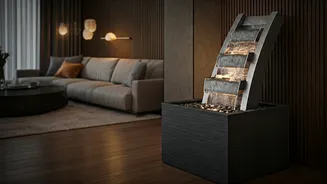
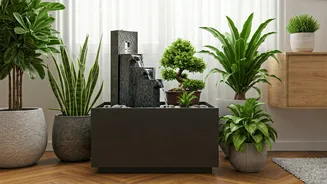
The star of this trend is the indoor water fountain. While plants and cozy textiles are staples, the fountain provides a unique sensory experience. The gentle, trickling sound of water has a proven calming effect on the nervous system. It’s a form of 'white noise' that can effectively mask jarring city sounds like traffic, sirens, or noisy neighbors, replacing them with a natural, hypnotic rhythm. This auditory element is what elevates a decorated corner into a true sensory escape. Tabletop fountains are inexpensive, require minimal space, and come in countless styles, from minimalist slate designs to rustic, multi-tiered ceramic bowls, making them an accessible centerpiece for any apartment dweller’s sanctuary.
How to Choose Your Spot
The first step is identifying a small, underutilized area. Look for a corner in your living room that feels awkward, a wider-than-usual spot in a hallway, or a space by a window with good natural light. The ideal location feels slightly separate from the main high-traffic zones of your apartment. It doesn’t need to be large; a 3x3 foot area is more than enough. The key is to designate it. Once you’ve chosen your spot, clear it of all clutter. This physical act of clearing space is also a mental one, signaling that this corner is now reserved for a special purpose: your peace of mind.
Layer in Natural Textures and Plants
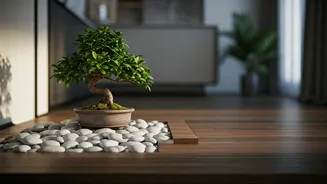
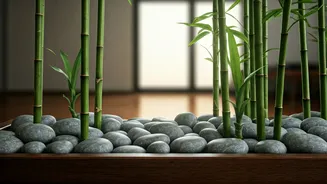
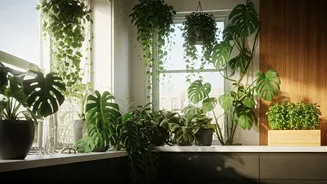
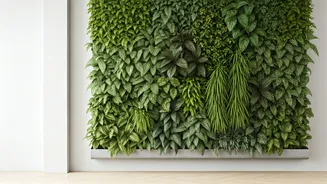
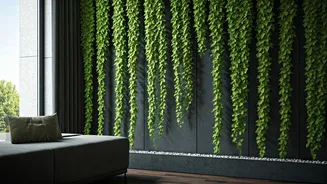
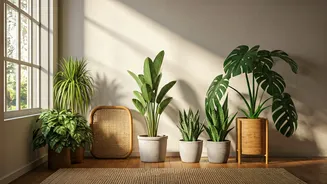
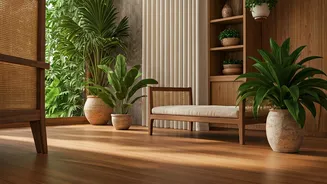
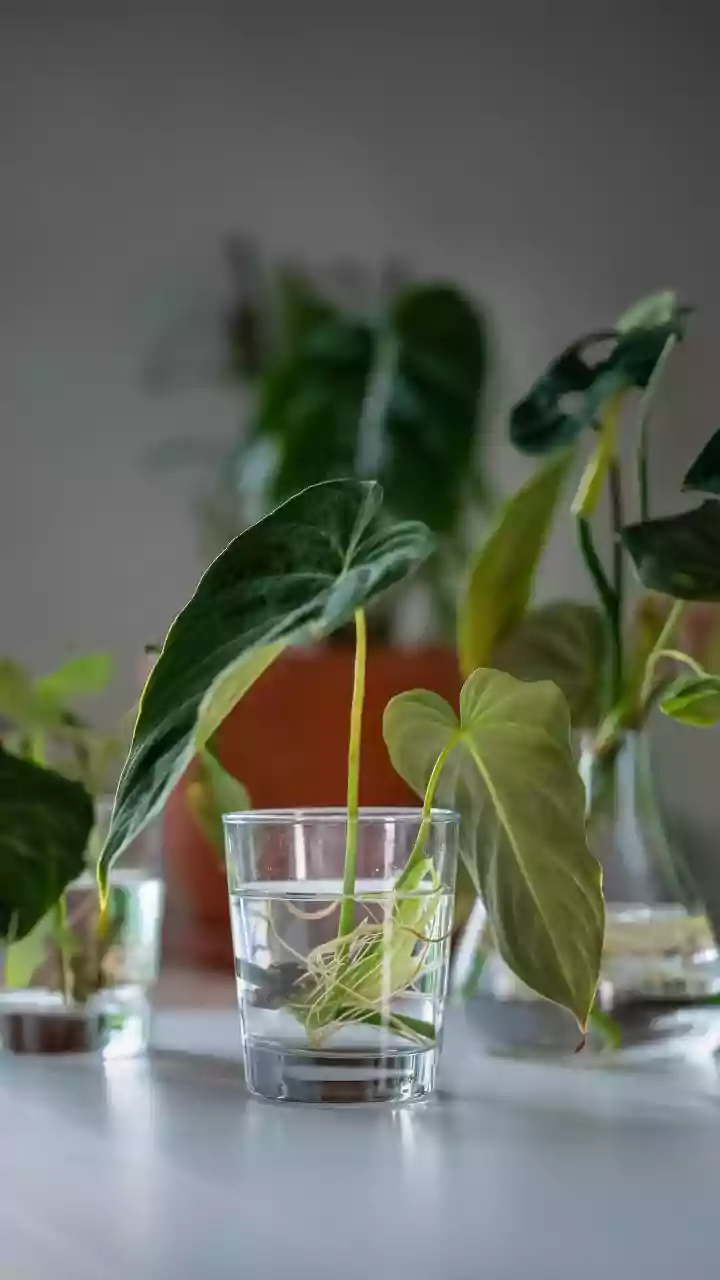
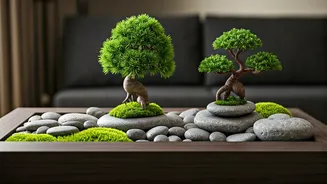
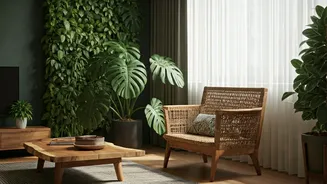
To build your corner’s calming atmosphere, focus on materials that feel good to see and touch. This principle, known as biophilic design, is about connecting with nature indoors. Lay down a soft, natural-fiber rug like jute or wool. If you have a chair, drape a chunky knit or linen throw blanket over it. Incorporate elements like smooth stones, a small wooden stool, or a bamboo tray. And, of course, add plants. A snake plant, pothos, or ZZ plant are all low-maintenance options that thrive indoors and help purify the air. The visual combination of greenery, wood, and stone creates an immediate sense of organic tranquility.
Select Comfortable, Grounding Seating
A zen corner is meant to be used, not just admired. Your seating choice should invite you to linger. For a minimalist or floor-based practice, a thick meditation cushion or a stack of large floor pillows works perfectly. This encourages a feeling of being grounded. If you prefer to be off the floor, a small, comfortable armchair with soft upholstery is a great option. Avoid hard, formal chairs. The goal is comfort that supports stillness. Whatever you choose, make sure it’s a seat you genuinely look forward to sinking into at the end of a long day.
Add Mindful, Personal Accessories
This is where you make the space truly your own. Beyond the fountain and plants, what other objects bring you a sense of calm? This could be an aromatherapy diffuser with lavender or sandalwood essential oils, a single candle with a soothing scent, or a small stack of books you find inspiring. Others might add a yoga mat rolled up nearby, a journal and a pen, or a singing bowl. The key is to be selective. Resist the urge to clutter the space. Each item should have a purpose, whether it’s to aid in meditation, encourage reflection, or simply be beautiful to look at.