



From Trash Can to Ingredient List
For decades, the mark of a high-end kitchen was often what it threw away: perfectly trimmed vegetables, choice cuts of meat with the rest discarded, and a ruthless focus on pristine ingredients. The scraps were a sign of precision. But a powerful counter-movement
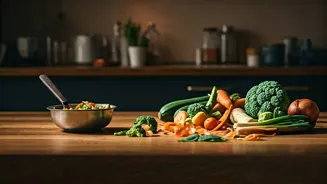
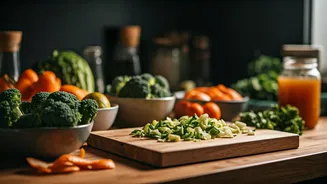
is redefining culinary excellence, transforming the bin from a final resting place into a secondary pantry. This trend, often called 'root-to-stem' or 'nose-to-tail' cooking, is getting a sophisticated marketing makeover. It's not just about being frugal; it's about being creative. Chefs are now 'upcycling' ingredients, applying classic techniques and modern ingenuity to parts of plants and animals that were previously overlooked. This isn't about serving leftovers. It’s about fundamentally rethinking what an 'ingredient' is, seeing potential flavor and texture where others saw garbage.
What's on the Menu?
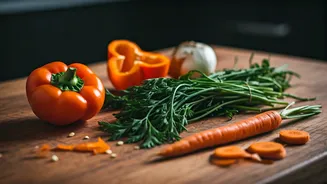
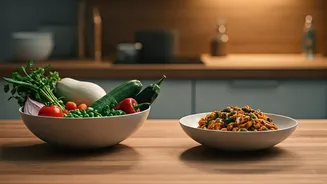
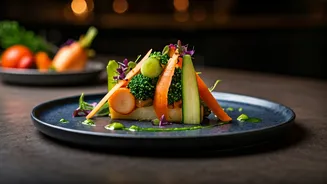
So what does this rebranded waste actually taste like? Delicious, it turns out. Think less 'compost pile' and more 'culinary alchemy.' You might find carrot-top pesto adding a bright, herbaceous kick to a pasta dish, or pickled watermelon rinds providing a sweet-and-sour crunch on a charcuterie board. Stale bread, once a symbol of failure, is reborn in rustic panzanella salads, savory bread puddings, or ground into breadcrumbs to crust a piece of fish. Coffee grounds are being used to infuse smoky flavor into barbecue rubs or even as a base for complex dessert syrups. In seafood-focused restaurants, the delicate meat from fish collars and cheeks, once reserved for staff meals, is now a sought-after grilled special. The tough outer leaves of cabbage are fermented into kimchi, and cheese rinds are simmered into broths to create a deep, umami-rich foundation for soups and sauces. The key is the 'rebrand'—these items are presented not as salvaged scraps, but as unique, flavorful discoveries.
The Drivers: Sustainability and Storytelling
Why is this happening now? It’s a perfect storm of economic pressure, environmental consciousness, and creative ambition. Restaurants operate on notoriously thin margins, and reducing food waste—which can account for a significant portion of a kitchen's costs—is a straightforward way to improve the bottom line. But the movement is driven by much more than just dollars and cents. Diners, particularly younger generations, are increasingly drawn to businesses with a strong sustainability ethos. A restaurant that proudly advertises its 'zero-waste' philosophy isn't just saving money; it's building a powerful brand identity that resonates with conscious consumers. This gives chefs a license to be more experimental. The challenge of creating something delicious from an unconventional ingredient is a powerful creative motivator. It’s a story they can tell on the menu and on social media, inviting diners into a narrative of ingenuity and respect for the food system.
Changing the Diner's Mindset
The final, crucial piece of the puzzle is the diner. For this trend to succeed, customers have to be willing to order—and pay for—dishes made from 'upcycled' ingredients. This is where the art of the rebrand comes in. You won’t see 'Day-Old Bread Salad' on the menu; you'll see 'Heirloom Tomato Panzanella.' 'Fish Bone Broth' becomes 'Rich Seafood Fumet.' The language matters. By framing these ingredients through the lens of culinary tradition (like using the whole animal) or innovation (like a novel fermentation technique), restaurants shift the diner's perception. They move the conversation from 'ew, scraps' to 'ooh, interesting.' The success of this movement shows a growing maturity among American diners, who are becoming more adventurous and more interested in the story behind their food. They are becoming partners in the process, rewarding chefs who demonstrate creativity and responsibility.