




The Burnout of the 'All or Nothing' Diet
Remember when every social gathering involved a friend explaining what they *couldn't* eat? That era of dogmatic dieting, defined by rigid lists of forbidden foods, is showing its cracks. The core problem, experts and everyday people are realizing, is burnout.
Strict diets often work in the short term because they create a clear, simple-to-follow structure. But their very rigidity is their downfall. They demand perfection, leading to a cycle of restriction, craving, guilt, and eventual abandonment. This “all or nothing” mentality sets people up to fail. One “bad” meal can feel like a total derailment, prompting many to give up entirely until the next Monday, the next month, or the next year. This cycle isn't just ineffective; it can be psychologically damaging, fostering a negative relationship with food.
From Restriction to 'Food Freedom'
The antidote to this burnout is a growing movement centered on a simple but radical idea: food freedom. Popularized by a new wave of registered dietitians and nutritionists, this approach rejects the good-food/bad-food binary. Instead, it champions concepts like “intuitive eating” and “mindful eating.” The goal isn’t to follow external rules but to listen to internal cues—hunger, fullness, satisfaction, and how different foods make you feel. This doesn’t mean a free-for-all of pizza and ice cream. Instead, it’s about building trust with your own body. It’s permission to eat a piece of cake at a birthday party without guilt, and the self-awareness to know that you’ll feel better tomorrow if your next meal is rich in vegetables and protein. It reframes eating as a practice of self-care, not self-control.
Personalized, Not Prescribed
Technology is also playing a huge role in this shift, but not in the way you might think. While early food-tracking apps focused on militant calorie counting, a new generation of tools is all about personalization. Wearables that track sleep, activity, and heart rate variability give users a more holistic picture of their health. Nutrition apps are shifting from simple calorie logs to platforms that help you identify nutrient gaps or notice patterns, like how a certain meal affects your energy levels. The focus is less on hitting an arbitrary number and more on learning what your unique body needs. This data-informed approach empowers users to make “smarter choices” based on their own biology and lifestyle, rather than adopting a one-size-fits-all diet plan designed for someone else.
What 'Smarter Choices' Actually Look Like
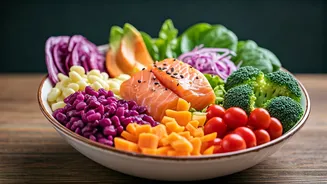
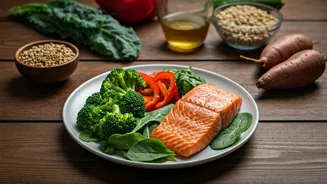
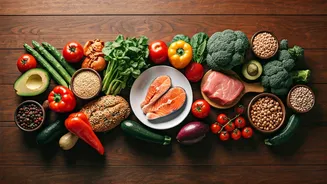
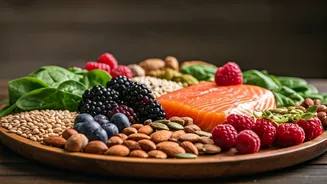
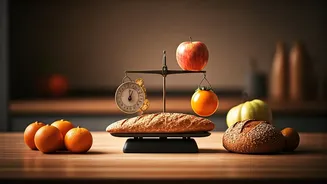
So, what does this new paradigm look like on a plate? It’s often less about what you remove and more about what you add. Instead of cutting out carbs, a smarter approach might be to choose whole-grain bread and add a side of roasted vegetables for more fiber. Instead of forbidding dessert, it might mean savoring a small portion of high-quality dark chocolate. It’s about focusing on overall patterns rather than individual foods. Nutritionists call this the “80/20” rule or simply “balance.” The bulk of your diet is composed of nutrient-dense foods—fruits, vegetables, lean proteins, healthy fats—while leaving flexible space for the foods you eat purely for joy. It’s a sustainable, less stressful, and ultimately more successful way to nourish yourself for the long haul.