

The Arrival
Your car leaves the bustling market town of Nainital behind, winding up a narrow road flanked by towering deodar cedar and oak trees. The destination isn’t a modern hotel with a sterile lobby, but something else entirely. You arrive at a stone-and-timber
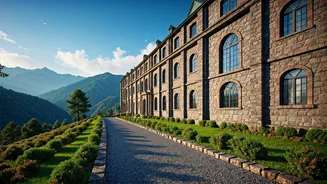
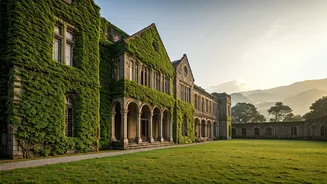
cottage, its gabled roof and ivy-clad walls looking as if they grew organically from the mountainside. This is a heritage homestay, a relic from the days of the British Raj, when this cool mountain retreat was a haven from the summer heat of the Indian plains. The gravel crunches under your feet as the host, often a descendant of the original family, greets you not as a customer, but as a guest arriving at a long-lost country home. There’s no check-in counter, only a warm welcome and the offer of a hot cup of tea on the veranda.
A Room with a Past
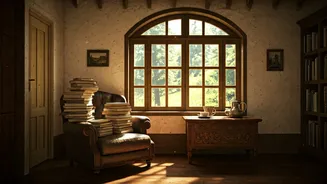
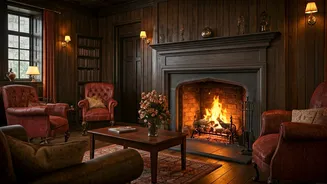
The story continues inside. Your room is a chapter in itself, filled with the quiet character of a century of life. The floors are polished wood that creaks with history. Instead of generic art, the walls hold sepia-toned family photographs and framed botanical prints. A stone fireplace, dark with the soot of a thousand fires, promises cozy evenings. The furniture is heavy, dark, and elegant—a four-poster bed, a mahogany writing desk, a plush armchair perfectly positioned by a large bay window. On a small shelf sits a curated collection of classics: Kipling, Corbett, maybe a dog-eared Agatha Christie mystery. You run your hand over the chintz curtains and realize every object in the room has a purpose and a past, creating a narrative texture that no hotel chain could ever replicate.
The Garden and the Mist
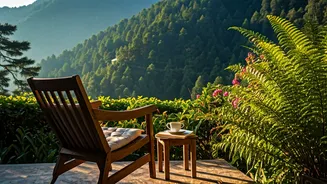
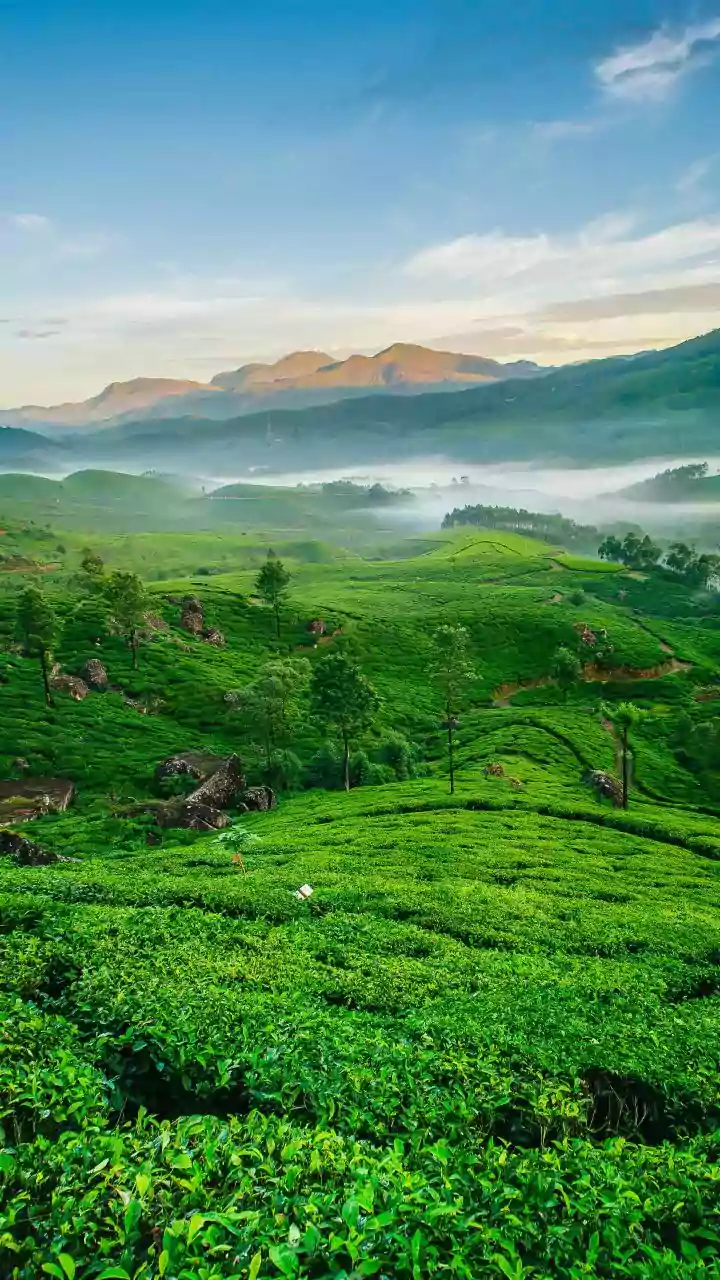
Stepping outside onto a private veranda, you’re greeted by the garden. It’s not a perfectly manicured resort landscape but a rambling, romantic English-style garden gone slightly wild. Hydrangeas burst with color, roses climb ancient stone walls, and ferns sprout from mossy crevices. Wrought-iron benches invite you to sit and stare at the Nanda Devi peak in the distance, a snow-capped giant watching over the Kumaon hills. The true magic, however, arrives with the mist. It rolls in silently from the valley below, swallowing the landscape and transforming the world into an impressionistic painting. The garden becomes an enchanted, mysterious place. Sounds are softened, colors are muted, and you feel a profound sense of seclusion, as if you’re the sole character in a gothic romance.
Evenings by the Fire
As dusk settles, the homestay takes on a different kind of magic. The generator might hum for a bit, a gentle reminder of the remote location, before the electricity stabilizes. The host lights a fire in your room's hearth, the crackle and pop a comforting soundtrack to the evening. Dinner isn’t a buffet; it’s a home-cooked meal, often featuring local Kumaoni recipes alongside classic colonial-era dishes served in the main dining room, where other guests share quiet stories. The Wi-Fi is often spotty, and that’s the point. The evening is for reading one of those books from the shelf, for conversation, or for simply watching the flames dance. It’s a forced disconnection from the modern world that allows you to connect with the immediate, sensory reality of your surroundings, just as the characters in a 19th-century novel would have.