








The Old Fitness Playbook
Remember the era of neon spandex, Jane Fonda, and the idea that “feeling the burn” meant logging hours of aerobics? For a long time, the dominant fitness narrative was simple: to lose weight and be healthy, you needed to burn as many calories as possible
through sustained cardiovascular exercise. Running, cycling, and elliptical sessions were seen as the gold standard. The equation was straightforward—more cardio equaled better health and a leaner physique. Strength training was often relegated to a niche corner of the gym, stereotyped as something for bulky bodybuilders or athletes, not for the average person seeking everyday wellness. This cardio-centric view was built on a “calories in, calories out” model that, while not wrong, we now understand is incomplete.
Why the Script Flipped
The conversation has shifted because our understanding of a healthy body has evolved. The new focus isn't just on burning calories during a 30-minute workout, but on building a more metabolically active body that works for you 24/7. The key to this is muscle. Muscle tissue is more metabolically demanding than fat; the more of it you have, the more calories you burn at rest. While a cardio session torches calories in the moment, building muscle through strength training effectively raises your baseline metabolic rate. This shift is also driven by a greater emphasis on longevity and “healthspan”—the number of years we live in good health. Researchers and fitness experts now recognize that maintaining muscle mass is one of a non-negotiable pillar of healthy aging, helping to prevent frailty, maintain mobility, and support a robust metabolism.
The Unique Superpowers of Strength
Strength training offers a host of powerful benefits that cardio alone can't provide. First is bone density. As we age, our bones naturally become more brittle, increasing the risk of osteoporosis and fractures. Resistance training, where muscles pull on bones, stimulates them to become stronger and denser. Second, it dramatically improves insulin sensitivity. Strong, active muscles are better at pulling glucose from the bloodstream for energy, which helps regulate blood sugar and can lower the risk of type 2 diabetes. Finally, there's functional strength—the ability to perform everyday tasks like carrying groceries, lifting a suitcase, or playing with your kids without pain or injury. This kind of real-world capability becomes increasingly vital as we get older, and it's built directly through lifting, pushing, and pulling heavy things.
Don't Cancel Your Run Just Yet
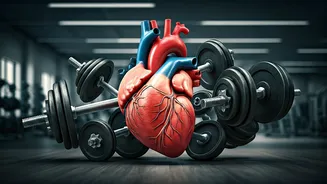
So, should you trade your running shoes for a pair of lifting gloves and never look back? Absolutely not. The headline says cardio is taking a “backseat,” not that it’s being kicked out of the car. Cardiovascular exercise remains essential for heart and lung health, improving circulation, lowering blood pressure, and managing stress. It's fantastic for mental health, releasing endorphins that boost mood and reduce anxiety. The two forms of exercise aren't competitors; they're partners. Cardio builds a powerful engine (your heart), while strength training builds a resilient chassis (your muscles and bones). A car needs both to run well. The modern, evidence-backed approach to fitness is not about choosing one over the other, but about understanding that both are essential components of a truly comprehensive health plan.
Finding Your Perfect Balance
The best fitness plan is one that strategically combines both modalities. Current guidelines from organizations like the American College of Sports Medicine (ACSM) provide a great starting point. They recommend that most adults aim for at least 150 minutes of moderate-intensity cardio (like brisk walking or cycling) or 75 minutes of vigorous-intensity cardio (like running or HIIT) per week. On top of that, they advise including at least two full-body strength-training sessions per week, working all major muscle groups. Your personal balance might shift depending on your goals. If you're training for a marathon, cardio will obviously be your focus. If your primary goal is to change your body composition and feel stronger in daily life, you might dedicate three or even four days to strength, with cardio as a supporting player. The key is to stop thinking of them as rivals and start programming them as a team.