






Choose Your Region Wisely
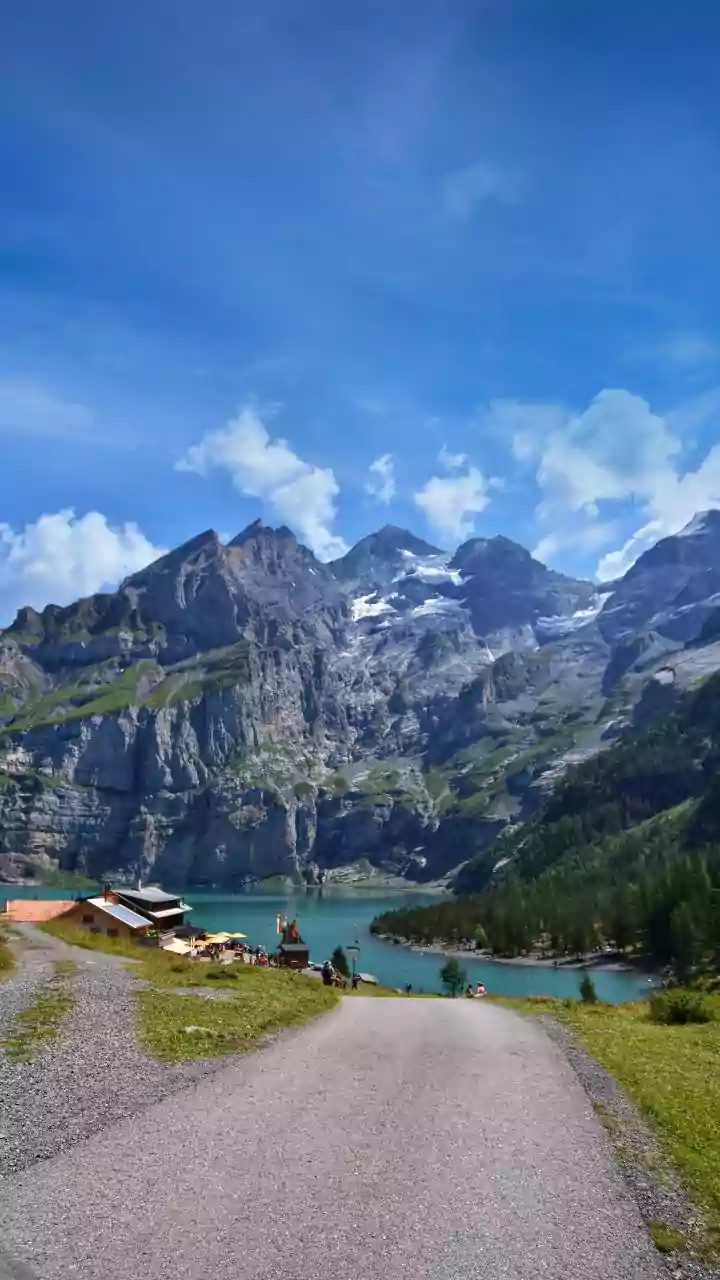
Summer is not the time for a whirlwind tour of India’s greatest hits. Instead of battling the 110°F heat in Rajasthan or Delhi, think vertically. The Himalayas are in their prime from June to August. Regions like Ladakh, often called "Little Tibet," offer
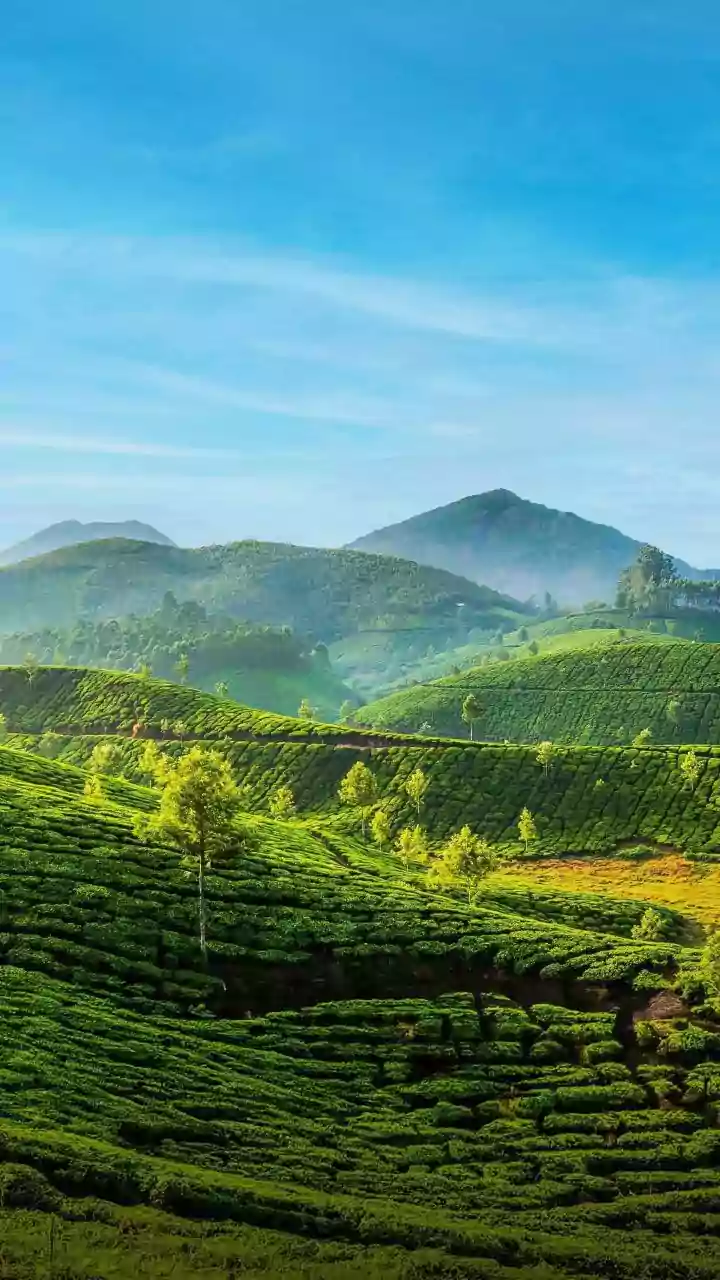
breathtaking high-altitude deserts, Buddhist monasteries, and comfortable daytime temperatures perfect for trekking and exploration. Similarly, states like Himachal Pradesh (home to Dharamshala and Shimla) and Uttarakhand (Rishikesh) provide a cool, green refuge from the scorching plains. If you're set on the south, embrace the monsoon in Kerala, where the rains transform the landscape into a vibrant, emerald paradise with far fewer tourists.
Adjust Your Internal Clock
In the parts of India where heat is a factor, trying to sightsee between 11 a.m. and 4 p.m. is a recipe for exhaustion. Adopt a more local rhythm. Wake up early for sunrise explorations of monuments, markets, and temples when the air is coolest and the light is magical. Return to your air-conditioned hotel for a long lunch, a nap, or a dip in the pool during the peak heat of the day. Emerge again in the late afternoon for evening strolls, rooftop dinners, and soaking in the local life as the city comes alive again post-sunset. This isn't laziness; it's smart travel.
Book Air-Conditioned Everything
This is not the trip for winging it or trying to save a few dollars by forgoing air conditioning. A cool, comfortable room is non-negotiable for recharging and getting a good night's sleep. When booking hotels, ensure "AC" is explicitly listed. The same logic applies to transportation. For train journeys, book an AC class (like 2AC or 3AC), which are sealed, comfortable, and a world away from the heat of general class. For travel within cities or between nearby towns, hiring a car with a driver and, most importantly, powerful AC, can be a surprisingly affordable and stress-free way to get around.
Pack Light, Pack Right
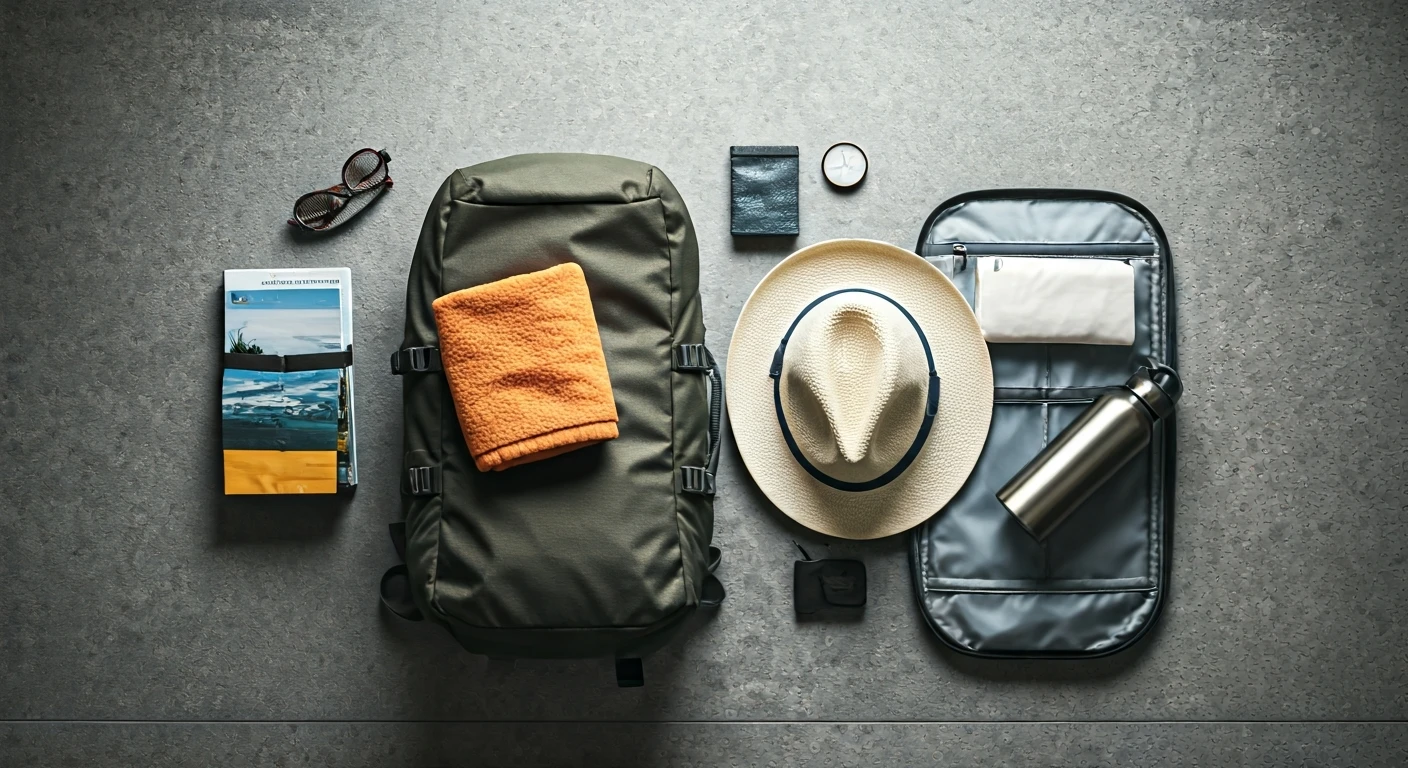
Your suitcase should be filled with lightweight, breathable fabrics. Think loose-fitting cotton, linen, and rayon. Avoid polyester and tight clothing at all costs. Pack light-colored clothes, as they reflect rather than absorb the sun's heat. For footwear, comfortable sandals and breathable walking shoes are a must. In monsoon-heavy areas, quick-drying sandals are essential. Beyond clothes, pack an electrolyte powder or tablets to add to your water, a high-SPF sunscreen, a wide-brimmed hat, sunglasses, and a powerful insect repellent, especially for evenings and rainy regions.
Stay Hydrated and Eat Smart
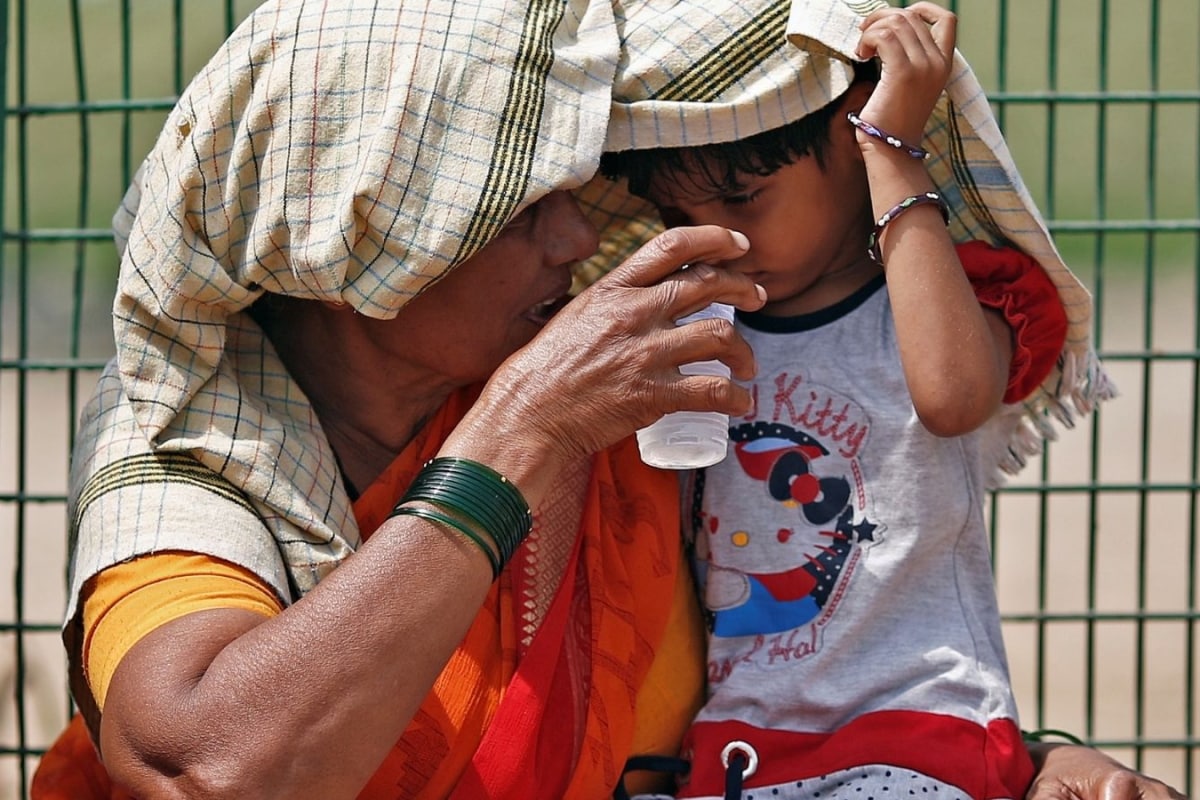
Dehydration is the biggest risk during an Indian summer. Drink more water than you think you need, and always stick to sealed, bottled water. Avoid ice in drinks unless you're certain it's made from purified water. While street food is a highlight of India, be more selective in the summer. Opt for freshly cooked, piping hot items from busy vendors. Avoid pre-cut fruits and anything that looks like it has been sitting out. Instead, enjoy peeled fruits like bananas and mangoes (a summer specialty!) and refreshing drinks like fresh coconut water, served straight from the source.
Build Buffer Days into Your Itinerary
Summer travel can be unpredictable. A sudden monsoon downpour can delay a flight, or you might just feel too drained by the heat for a packed day of activities. Don't create a rigid, back-to-back itinerary. Build in buffer days—days with no fixed plans—in each location. Use this time to relax, revisit a favorite spot, take a cooking class, or simply wander at a leisurely pace. This flexibility is the ultimate key to a stress-free trip, allowing you to adapt to the weather and your own energy levels without feeling like you're falling behind schedule.