

From Off-Season to Main Attraction
Traditionally, the travel industry has treated monsoon season—typically June through September in much of South and Southeast Asia—as the off-season. Airlines slash prices, hotels offer steep discounts, and tourist hotspots become refreshingly quiet.
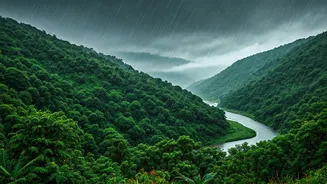
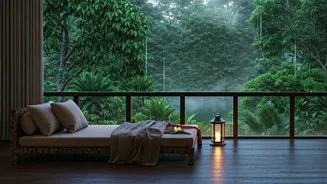
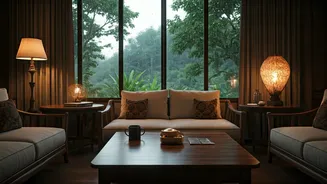
But for a growing number of travelers, the dramatic skies, lush landscapes, and tranquil atmosphere are becoming the main draw. Instead of fighting the weather, they're leaning into it. The goal is no longer to find a break in the clouds for a frantic day of sightseeing. It's to find the perfect window seat, a hot cup of tea, and a cozy blanket to watch the world get washed clean. This shift represents a deeper change in travel philosophy, prioritizing atmosphere and experience over a packed itinerary and a guaranteed tan.
What's Driving the Homestay 'Glow-Up'?
The rise of the monsoon holiday isn't just about changing attitudes; it’s powered by the evolution of the homestay. Forget a simple spare room in someone's house. The new generation of monsoon-ready homestays are design-forward, amenity-rich properties that rival boutique hotels. This 'glow-up' is fueled by a few key factors. First, the post-pandemic traveler is more discerning. They seek authenticity and privacy, which sprawling, crowded resorts often lack. Second, the rise of 'workations' means people can travel for longer periods, settling into a comfortable, inspiring space to work remotely while enjoying a change of scenery. Finally, platforms like Airbnb Luxe and curated collections from regional players have professionalized the high-end homestay market. They offer architect-designed villas, restored heritage homes, and secluded farmhouses that are destinations in themselves, perfectly suited for enjoying a dramatic downpour in style.
More Than Just a Polished Roof
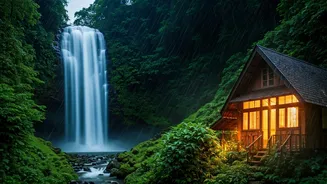
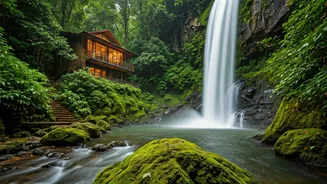
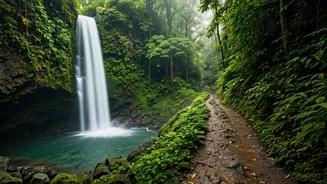
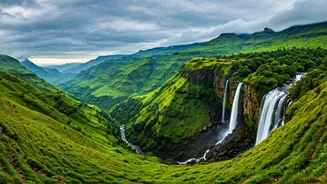
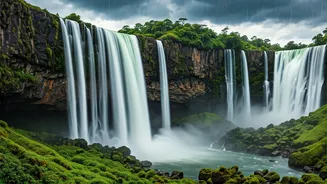
What makes these homestays so special isn't just the thread count or the infinity pool (though many have both). It's the thoughtful curation of the experience. We're talking about floor-to-ceiling glass walls that frame the rain-swept valley below, verandas designed for storm-watching, and libraries stocked with books for a perfect rainy afternoon. The hospitality is deeply personal. Hosts often arrange for private cooking classes focused on seasonal ingredients, guided nature walks to see rain-fed waterfalls, or sessions with local artisans. It’s an immersive stay that connects you to the place in a way a generic hotel room never could. The luxury here isn't just about lavishness; it's about having a perfectly crafted, frictionless experience where the weather isn't an inconvenience but the centerpiece of the show.
The New Rainy-Day Hotspots
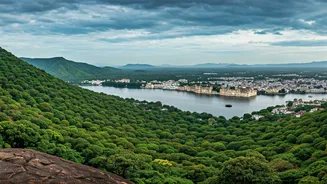
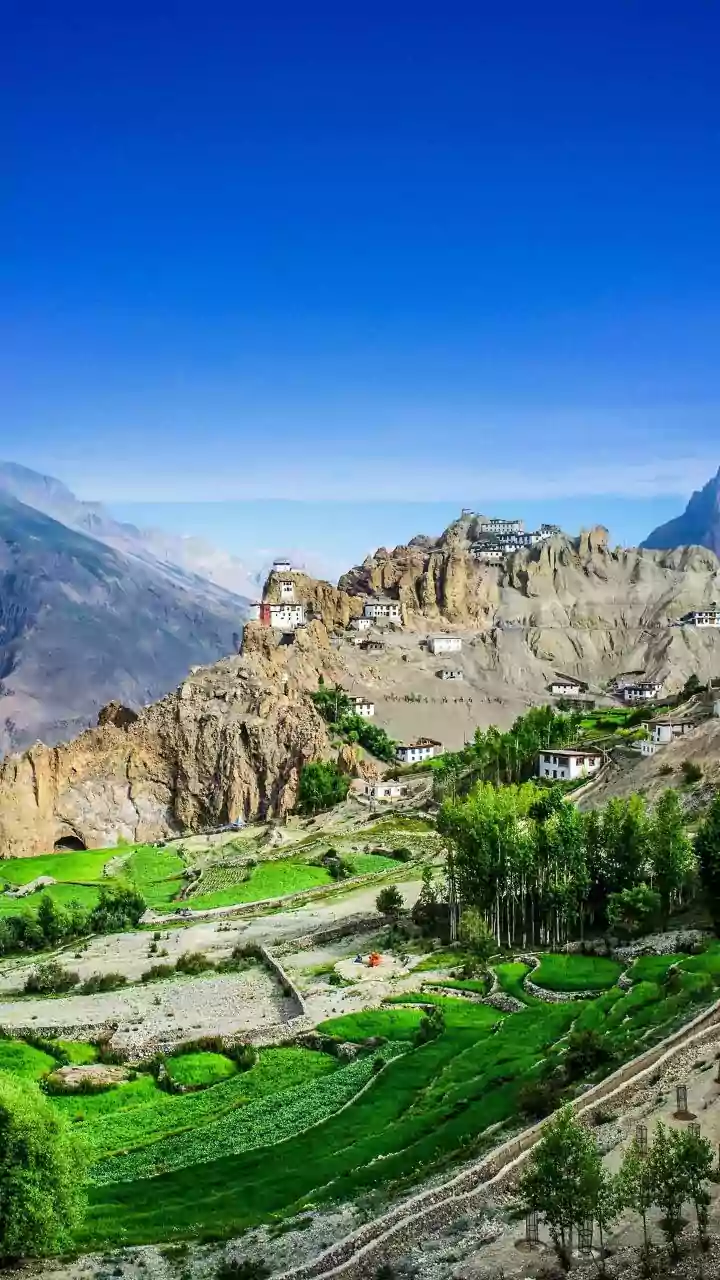
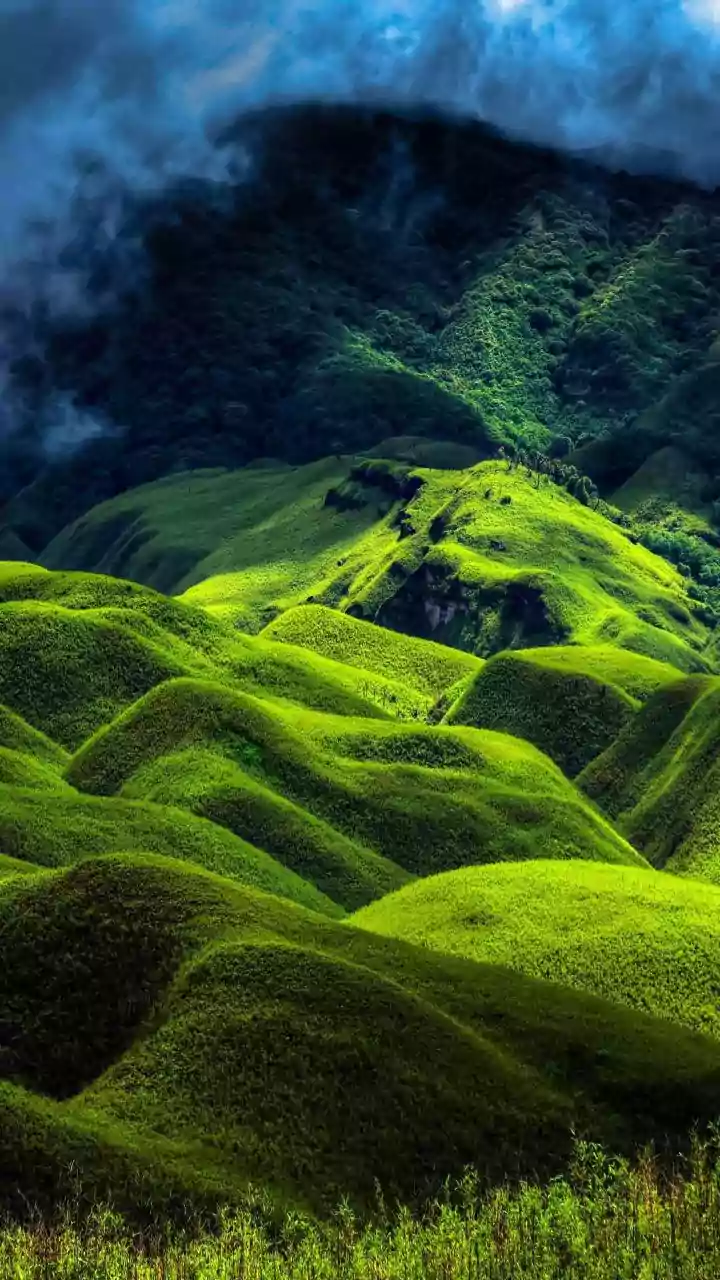
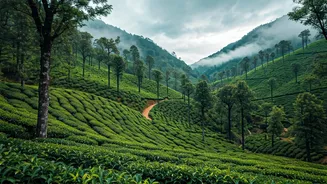
While the concept is spreading, India is at the epicenter of this trend. Regions like the Western Ghats—a mountain range running parallel to the country's western coast—are prime territory. Here, places like Lonavala and Mahabaleshwar in Maharashtra or the misty hills of Coorg in Karnataka are dotted with stunning villas and coffee plantation stays. Goa, long famous for its winter beach parties, is developing a reputation for its serene, green hinterlands during the monsoon, where Portuguese-era homes have been converted into chic retreats. In Kerala, travelers are booking houseboats and waterside bungalows to experience the full force of the rains rejuvenating the famous backwaters. The appeal is consistent: escape the city, embrace the quiet, and trade crowds for the calming, percussive rhythm of the rain.