




A Leap in Global Mobility
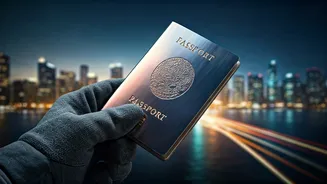
So, what’s the big deal? According to the influential Henley Passport Index, which ranks the world's passports based on the number of destinations their holders can access without a prior visa, India has made a notable climb. The Indian passport now sits
at 80th in the global ranking, a solid improvement from its position in previous years. This jump means Indian citizens now enjoy visa-free or visa-on-arrival access to 62 countries. While that might not sound like the chart-topping numbers of Japan or Singapore (which offer access to nearly 200 countries), the upward trend is the real story. For a nation of 1.4 billion people, every new country added to that list represents a massive expansion of travel freedom. It's a tangible sign that India's global stature is growing, and countries are rolling out the welcome mat.
New Stamps on the Horizon
This isn't just an abstract numbers game. The new ranking reflects concrete policy changes from several countries eager to attract Indian tourists. Nations like Kenya, Malaysia, and Iran recently announced visa-free travel for Indian nationals. They join a diverse list of destinations that already includes beautiful and accessible spots like Indonesia, Thailand, Sri Lanka, Mauritius, and many Caribbean islands. Imagine planning a spontaneous safari in Kenya or a beach getaway to Langkawi without the bureaucratic headache and cost of securing a visa weeks in advance. This change turns dream trips into weekend possibilities for millions of aspiring Indian travelers. The convenience factor cannot be overstated; it’s the difference between browsing travel sites wistfully and actually booking the ticket.
The Engine Behind the Rise
A passport's strength doesn't increase by accident. This upward mobility is the result of two powerful forces working in tandem: India's diplomatic push and its economic boom. On the diplomatic front, the Indian government has been actively negotiating for greater visa-free access for its citizens, framing it as a key part of strengthening bilateral relationships. But the more compelling reason for other countries to open their borders is economic. India has the world's fastest-growing major economy and a burgeoning middle class with disposable income and a strong desire to travel. Before the pandemic, Indian tourists spent over $23 billion overseas, a figure that is expected to skyrocket. For countries whose economies rely heavily on tourism, attracting even a fraction of India’s outbound travel market is a massive opportunity. A visa-free policy is the most effective 'Now Open for Business' sign they can put up.
Why This Matters to U.S. Travelers
Even if you don't hold an Indian passport, this shift has ripple effects you'll likely notice. First, expect to see more Indian tourists at popular global destinations. This can change the cultural dynamic of tourist hotspots, influence local economies, and lead to new services—like more vegetarian-friendly restaurant options or direct flights from Indian cities. Second, for the nearly 5 million-strong Indian diaspora in the United States, this is a game-changer. It makes it significantly easier for family members from India to visit them or, perhaps more excitingly, to plan multi-generational family vacations in a third country without navigating complex visa processes for everyone. It simplifies reunions and shared experiences. Ultimately, the rise of the Indian traveler is a powerful indicator of a more interconnected, multi-polar world, where the flow of tourism is no longer dominated solely by Western passport holders.