


India's Emerald Coffee Cup
When Americans think of coffee, we might picture a Seattle cafe or a Colombian mountainside. But for a truly immersive experience, you have to go to Karnataka. Tucked away in the southwestern corner of India, this state is the country's undisputed coffee king,
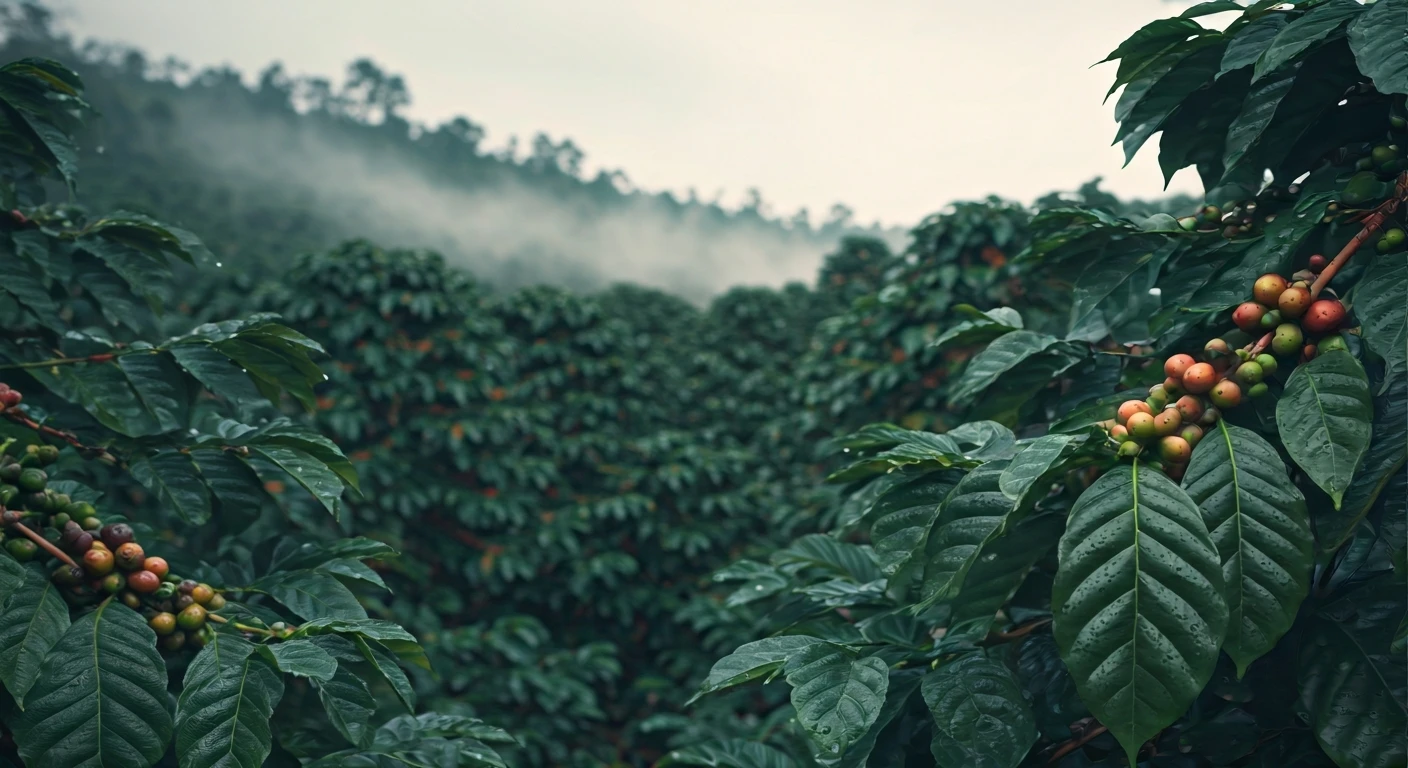
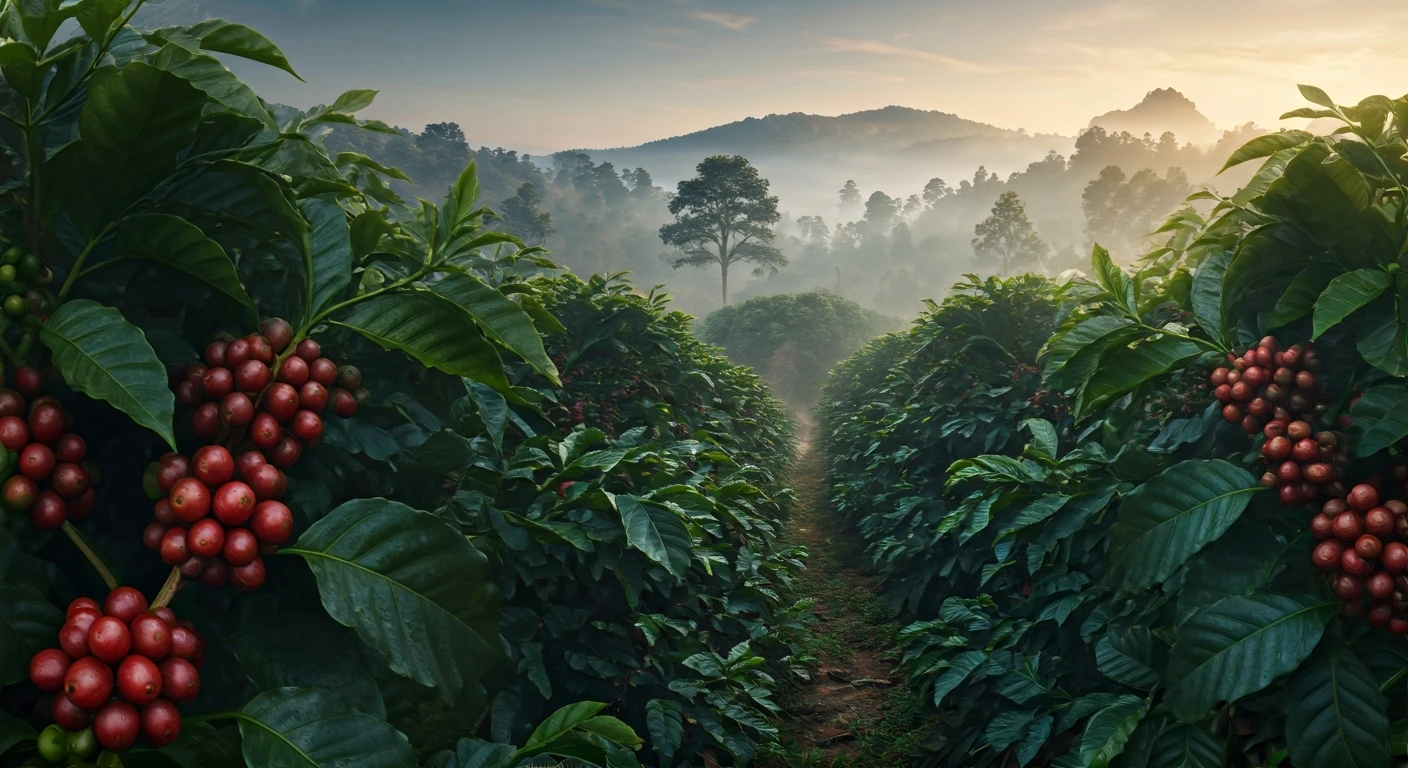
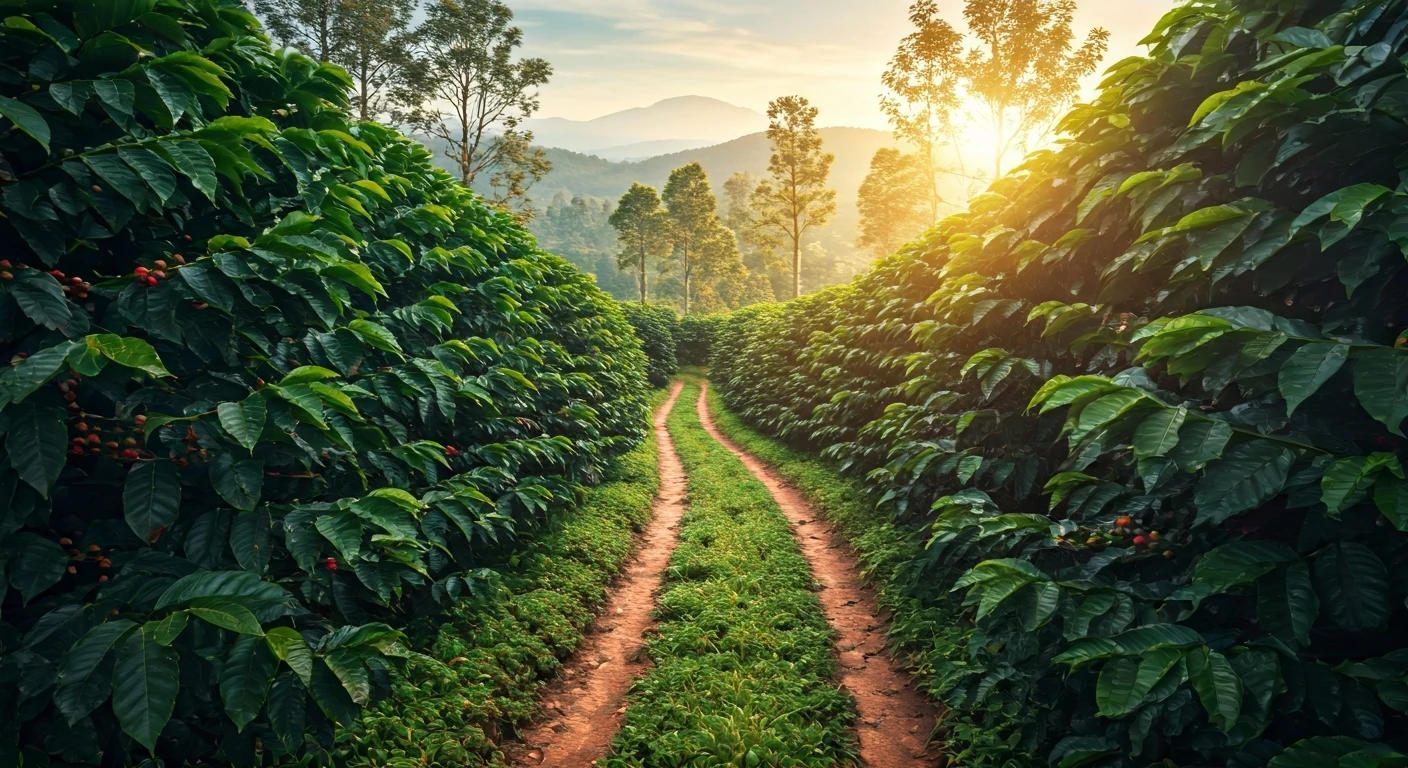
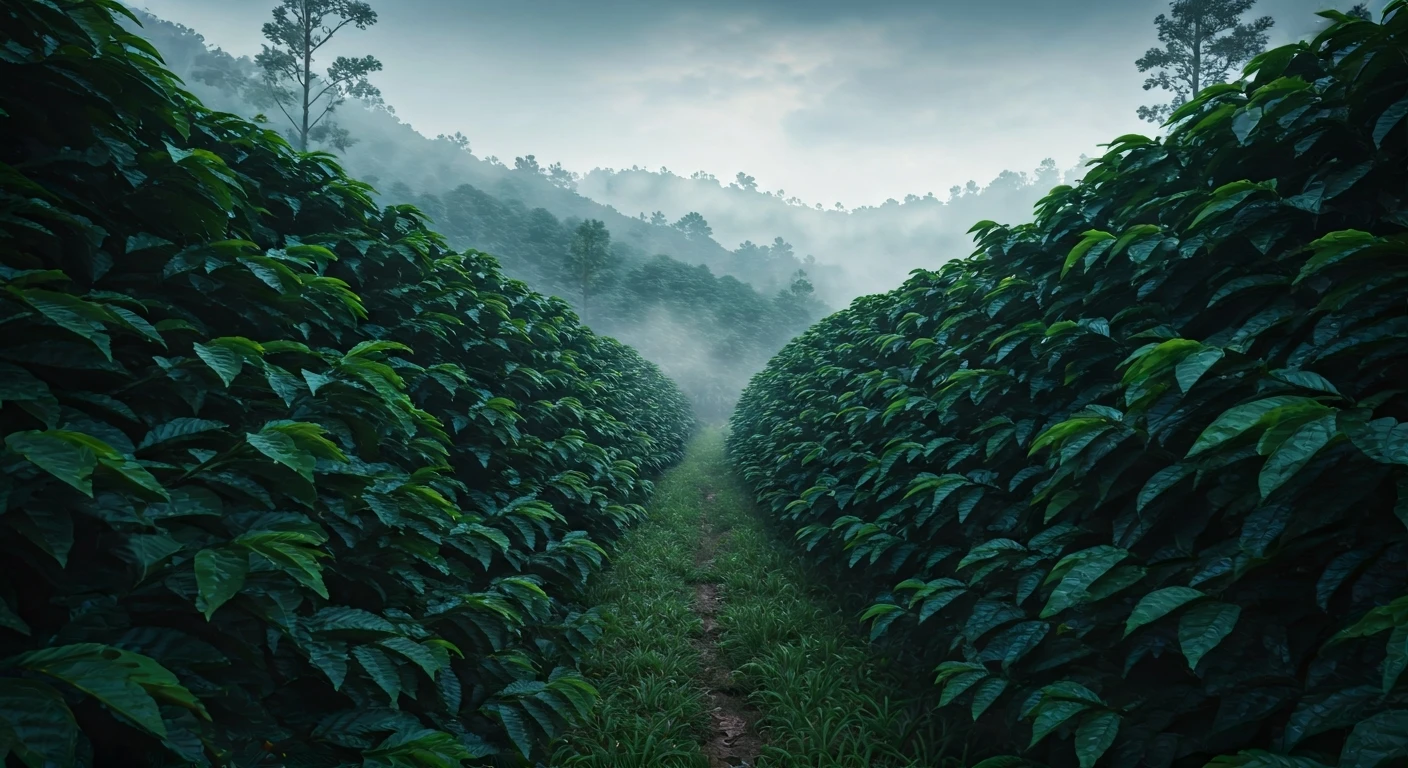
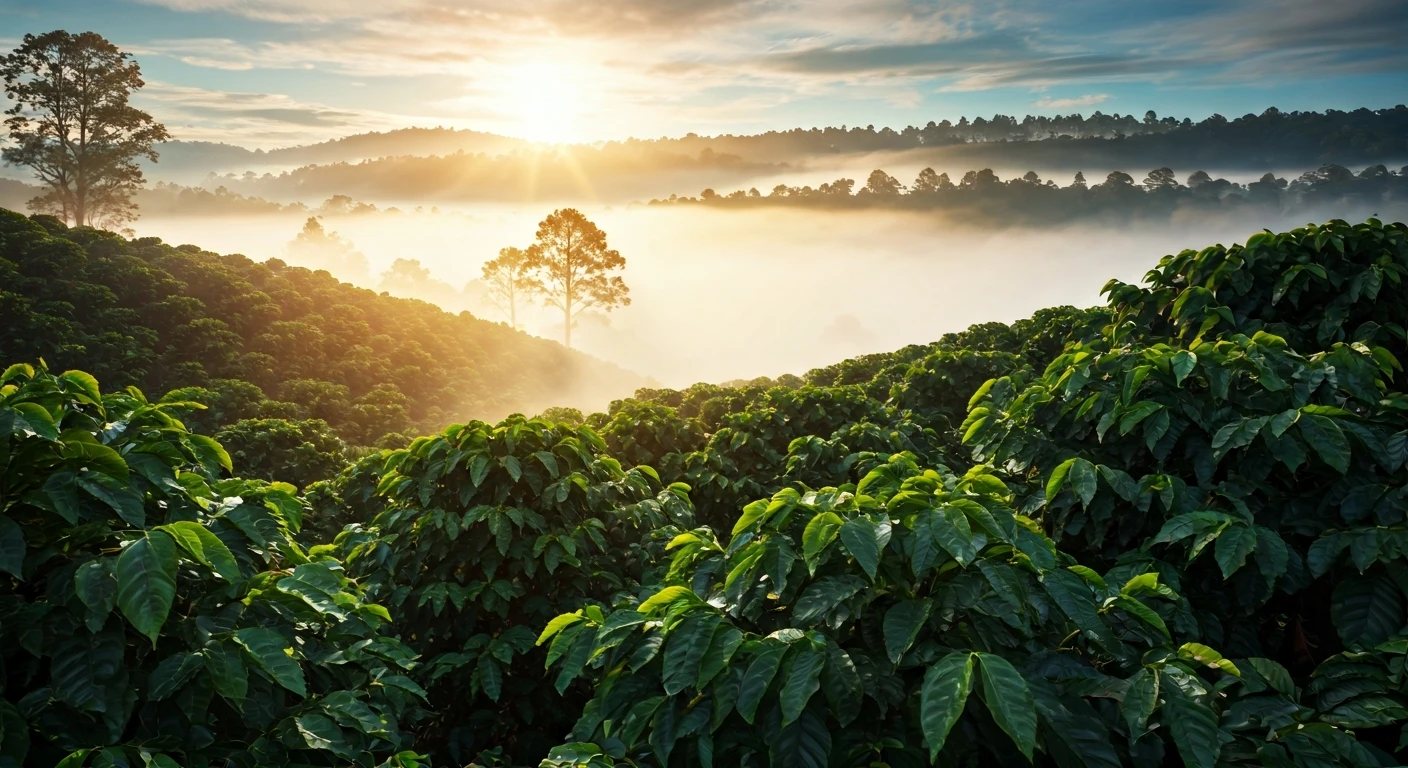
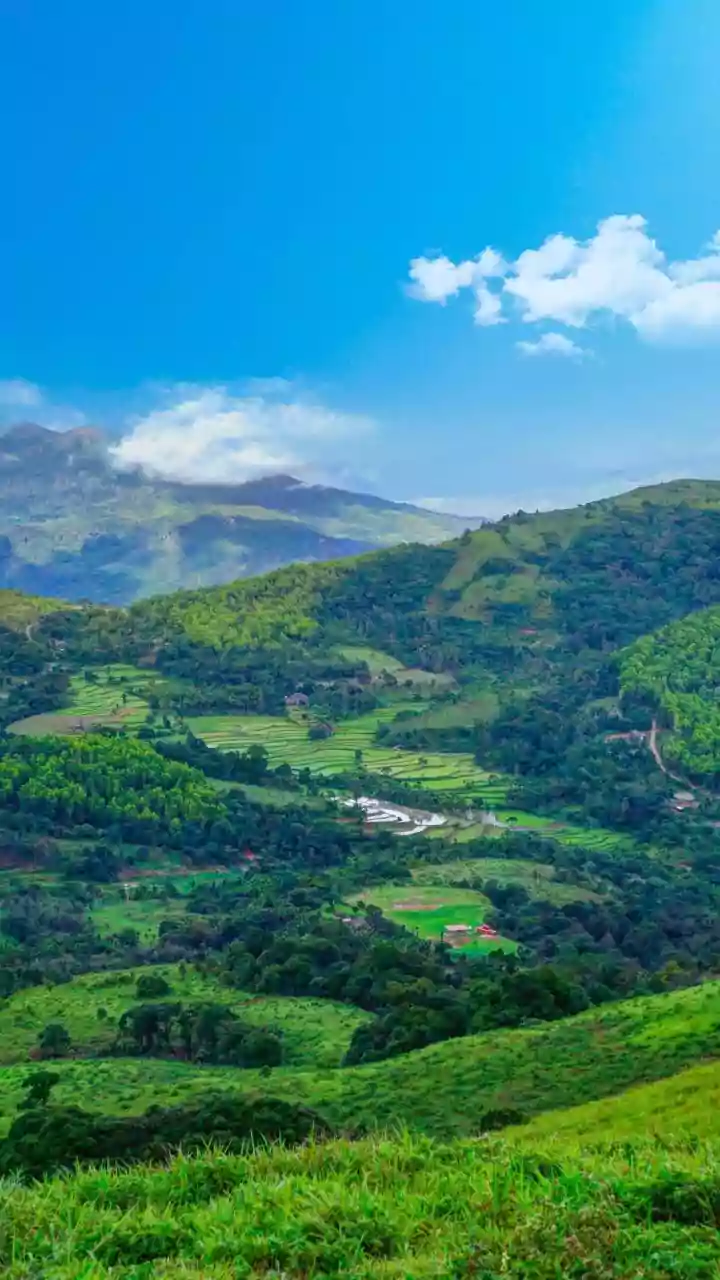
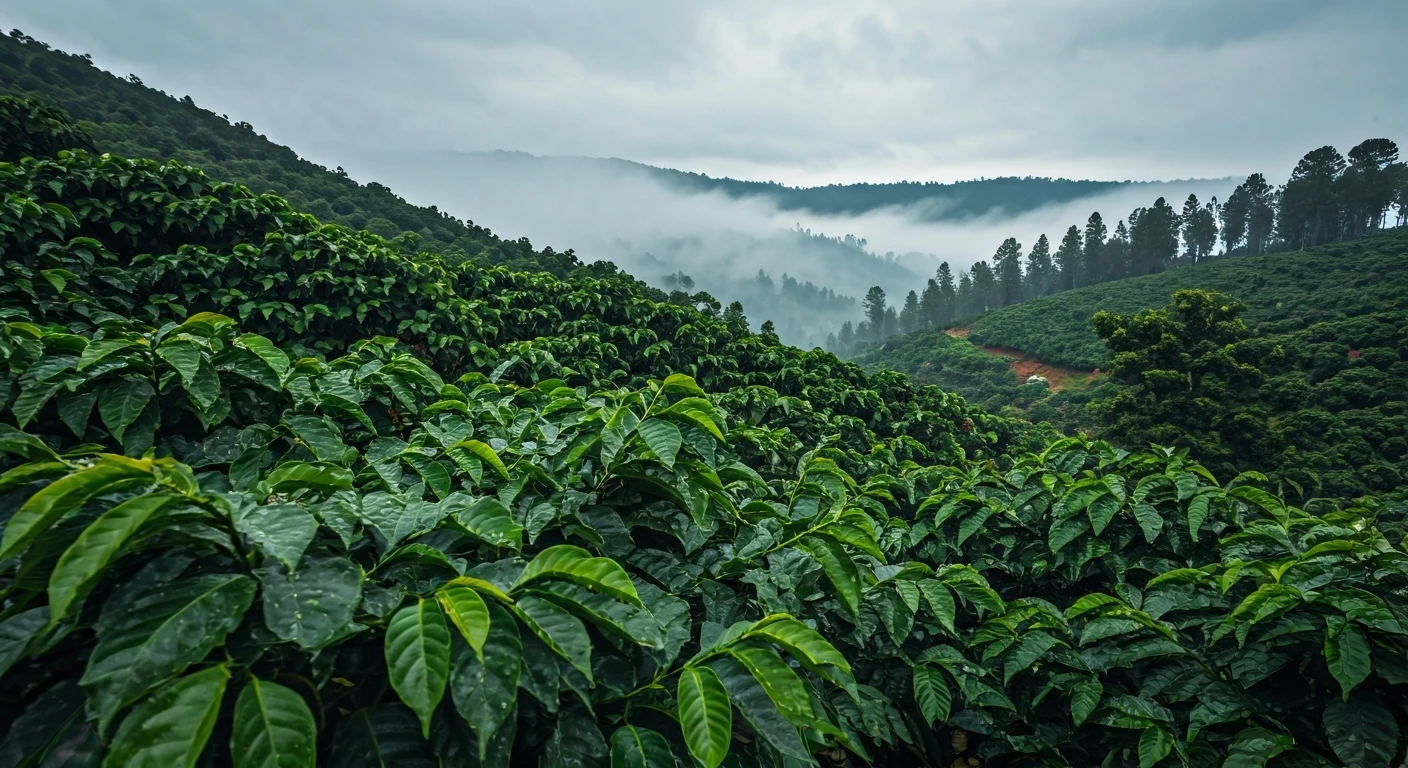
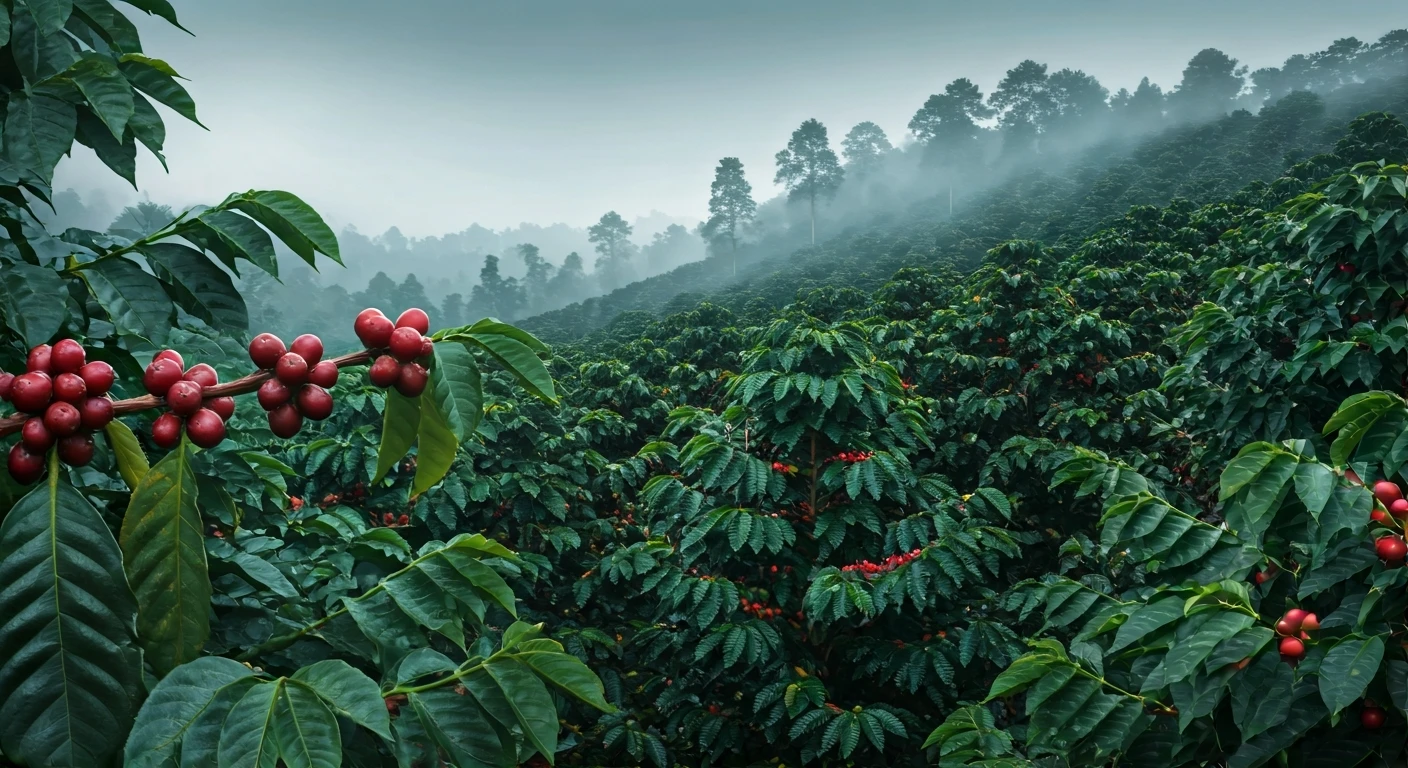
producing over 70% of its beans. The magic happens in a region called the Western Ghats, a UNESCO World Heritage mountain range whose misty, rolling hills provide the perfect altitude and climate for growing world-class Arabica and Robusta. The heart of this region beats in districts like Coorg (officially Kodagu) and Chikmagalur, a name that literally translates to "Land of the Younger Daughter," fabled to have been given as a dowry with a rich bounty of coffee. Here, coffee isn't just a crop; it's a way of life that has shaped the landscape and culture for centuries. Vast estates, some dating back to the British colonial era, stretch as far as the eye can see, creating a stunning mosaic of emerald green.
The Romance of the Monsoon
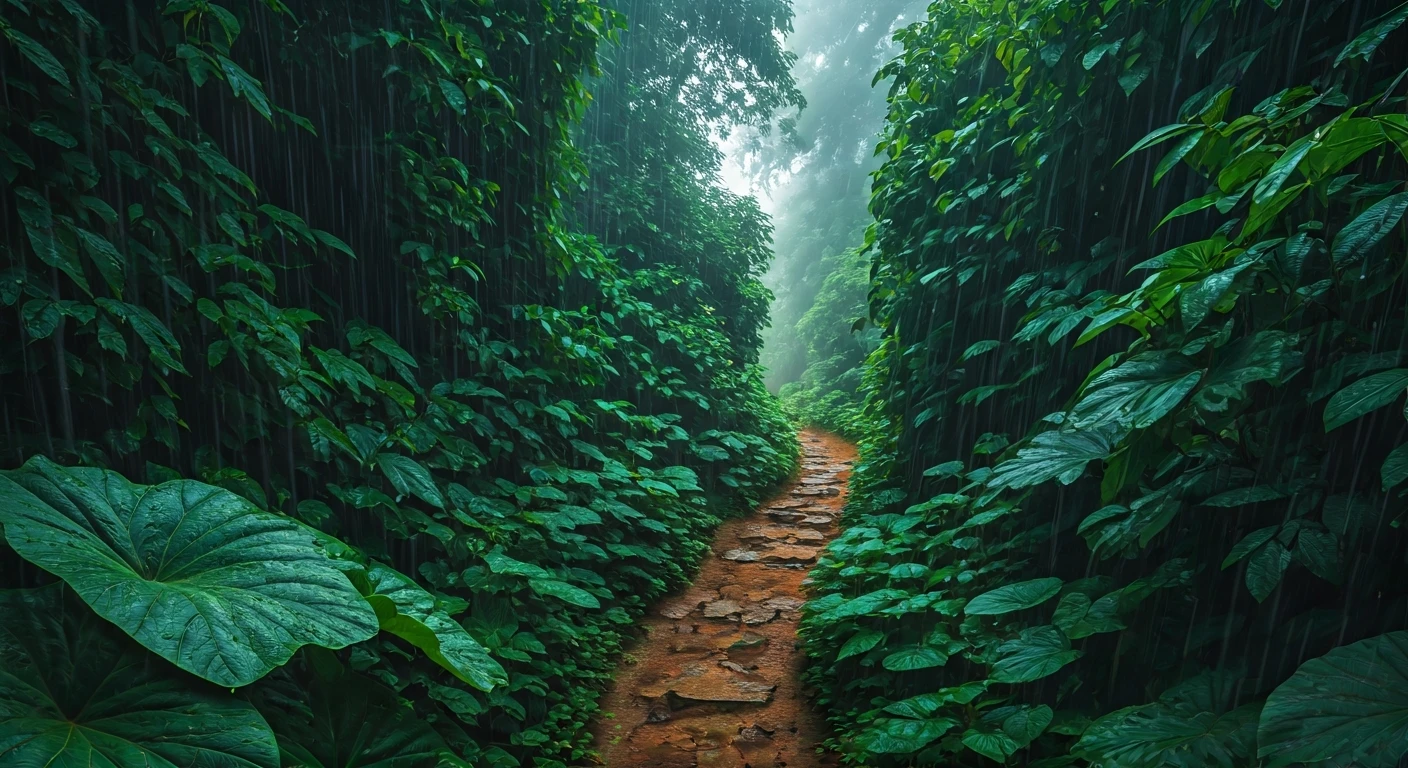
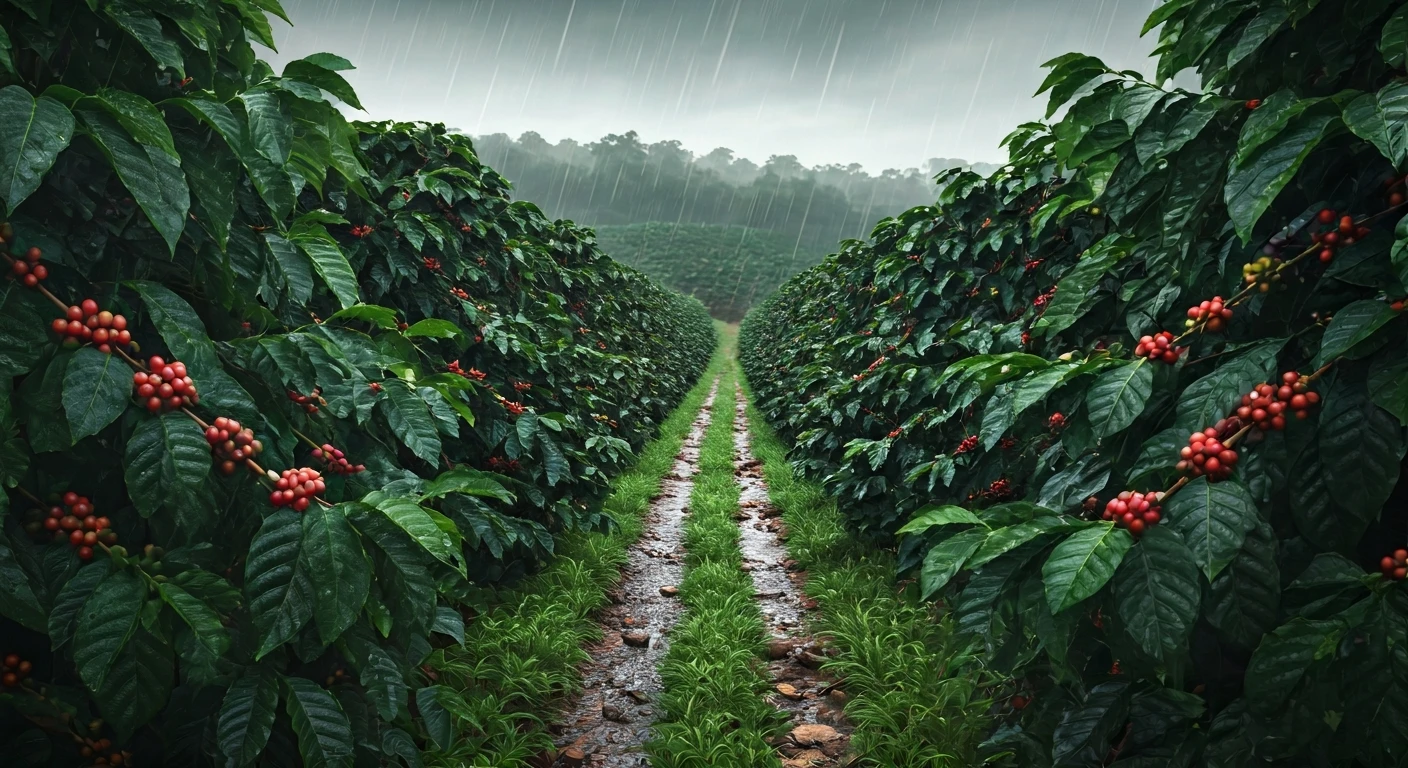
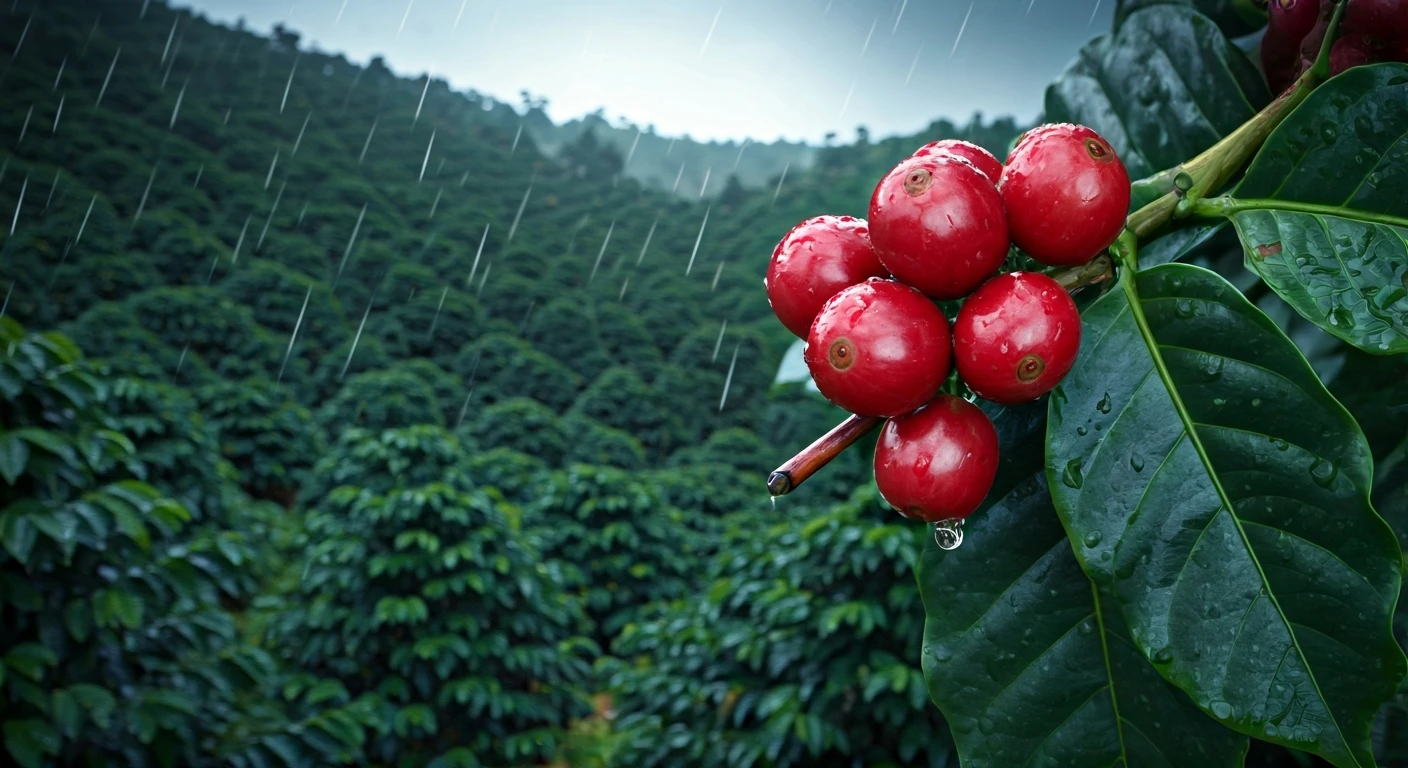
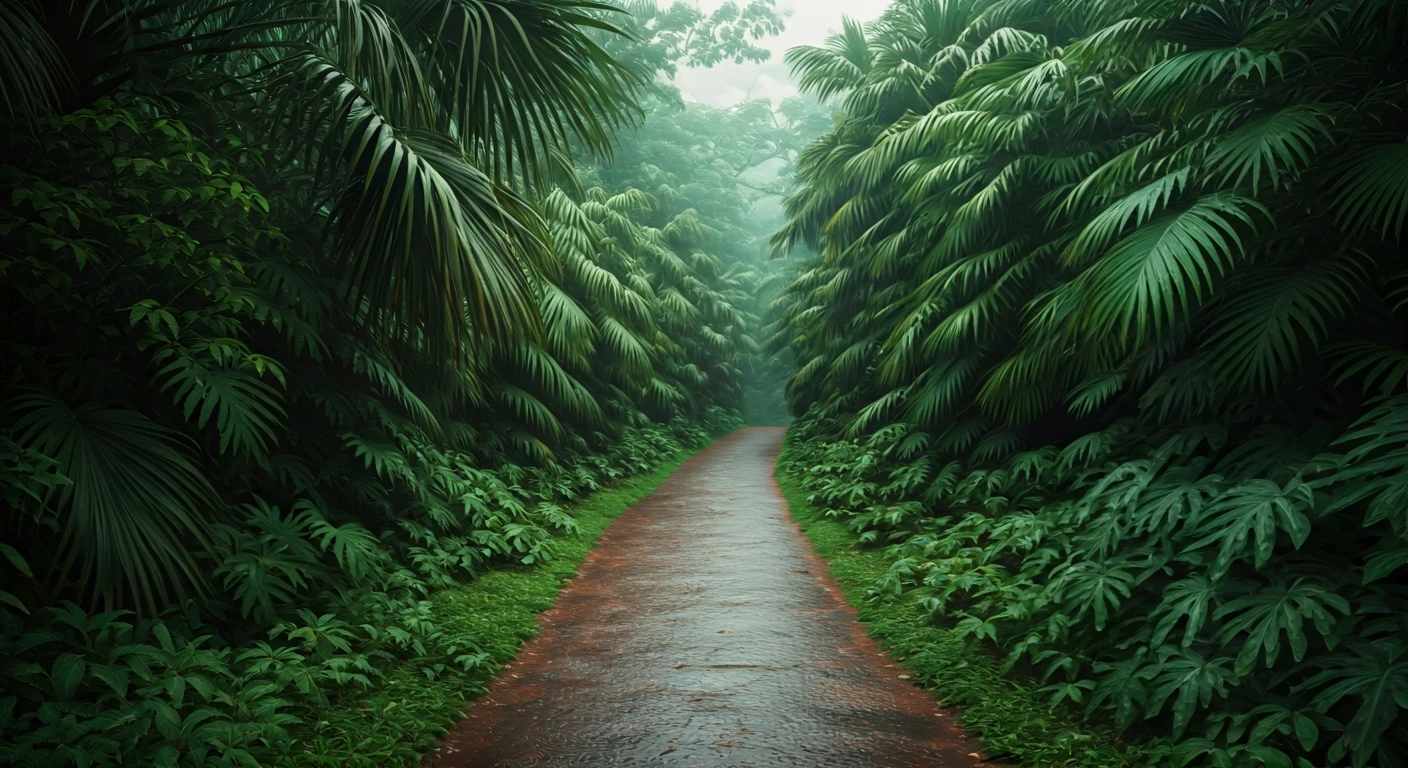
Most travel guides will tell you to avoid India during the monsoon season, which typically runs from June to September. For Karnataka's coffee country, that advice is completely wrong. Visiting during the rains is when the region's soul is truly revealed. The landscape, parched from the dry season, explodes into a thousand shades of impossible green. The dust settles, the air clears, and waterfalls that were mere trickles become thundering cascades. The rain transforms the experience from a simple trip into a moody, atmospheric escape. It’s the perfect excuse to curl up in a veranda armchair with a book and a freshly brewed cup of coffee sourced from the plants right outside your window. The sound of the downpour becomes a soothing soundtrack, punctuated by the chirping of exotic birds. It's a dramatic, romantic, and deeply restorative environment that feels a world away from the hustle of modern life.
Life on a Coffee Estate
The ultimate way to experience Karnataka is by staying on a coffee plantation. Many estates have opened their doors to travelers, converting historic bungalows or building charming homestays. This isn't your standard hotel stay. It's an invitation to slow down and connect with the rhythm of the land. Your hosts are often the plantation owners themselves, families who have cultivated coffee for generations and are eager to share their passion. A typical day might involve a guided “bean-to-cup” tour, where you walk through the plantation, learn to identify different coffee varietals, and see the intricate process of harvesting, drying, and roasting the beans. You’ll learn the difference between a sun-dried and a washed bean and, most importantly, taste the results. These stays offer an unparalleled level of tranquility, where your biggest decision of the day is whether to take another walk through the misty coffee groves or simply relax and enjoy the view.
Beyond the Coffee Mug
While coffee is the main event, the region's charms are plentiful. The same rain that nourishes the coffee plants also feeds spectacular waterfalls like Abbey Falls and Iruppu Falls, which are at their most magnificent during the monsoon. The lush forests are home to spice plantations where you can see cardamom, black pepper, and vanilla growing in the wild, filling the air with intoxicating aromas. For the more adventurous, there are trekking opportunities through the hills, offering panoramic views of the entire valley. The region is also a biodiversity hotspot, so keep an eye out for elephants, bison, and a vibrant array of birdlife. And then there's the food. The local Kodava cuisine is unique and delicious, with flavorful pork curries and rice dumplings that provide the perfect hearty complement to the cool, rainy weather. It all combines to create a rich, multi-sensory journey.