


The Rise of the Algorithm Menu
For the better part of a decade, a strange homogenization swept through American casual dining. Whether you were in Portland, Maine, or Portland, Oregon, the menu at a new, hip café felt eerily familiar. Fueled by Instagram aesthetics and the perceived
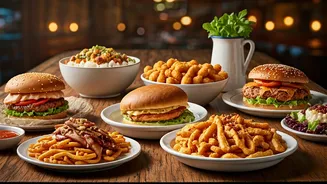
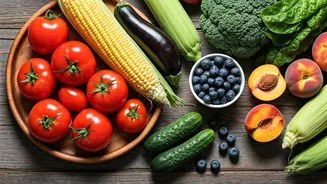
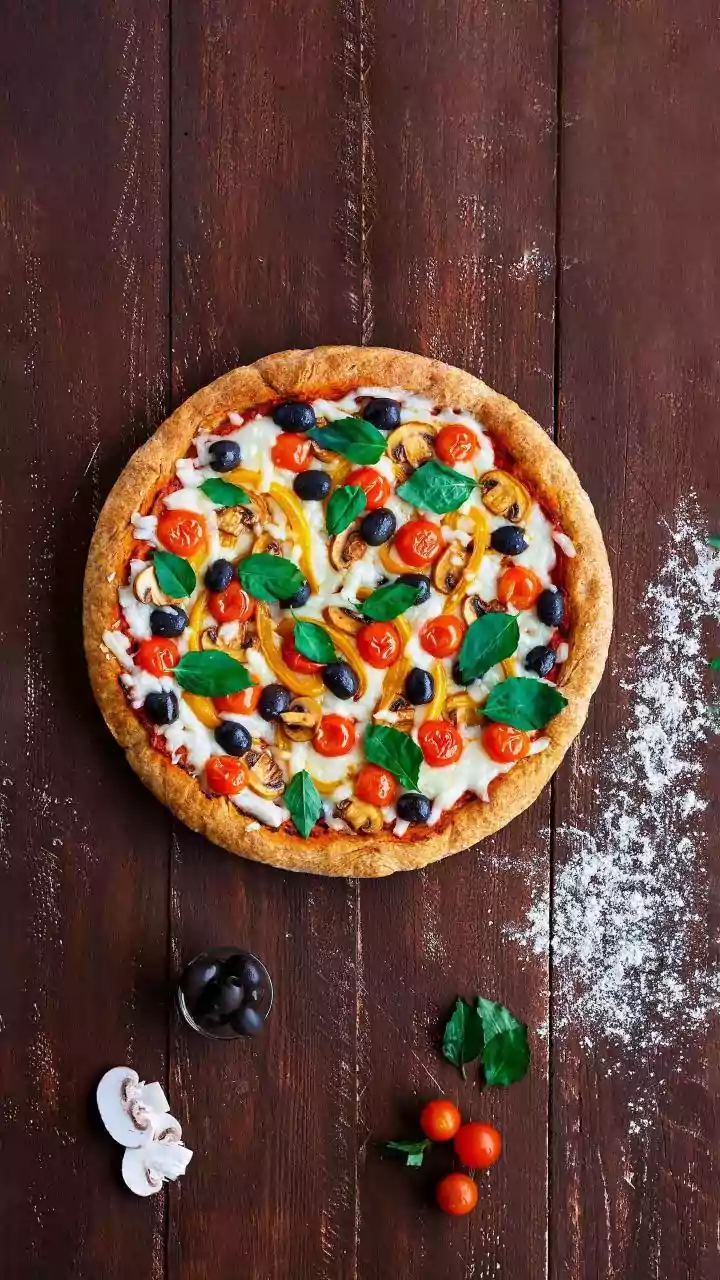
demands of a wellness-focused clientele, a sort of “algorithm menu” emerged. It was safe, predictable, and photogenic, but it was also profoundly soulless. This copy-paste approach made business sense, in a way. These were proven sellers, easily replicated with ingredients from national suppliers. You could open a restaurant without having to invent a culinary identity—you just had to execute the existing template. But diners are growing tired. The tenth identical kale Caesar salad loses its charm. The experience of travel and discovery, once a key part of eating out, felt diminished when every city’s “buzzy” new spot served the same food. This fatigue created a powerful opening for something more authentic, more rooted, and infinitely more interesting.
A Hunger for a Sense of Place
The backlash against the generic menu isn't just about food; it’s about a deeper cultural hunger for connection and place. In a world that feels increasingly globalized and digital, a dish with a real story and a specific origin offers a powerful sense of grounding. A Cincinnati chili, a Detroit-style pizza, or a proper Lowcountry boil isn’t just a meal—it's a piece of local history and identity served on a plate. This shift was accelerated by the pandemic, which re-centered our lives around our local communities and comfort food. It's also been powered by social media, but in a new way. While Instagram once promoted a uniform aesthetic, platforms like TikTok now reward specificity and storytelling. A video explaining the century-old origins of a New Orleans muffuletta or the unique technique behind a Minnesota Juicy Lucy can go viral, creating national demand for a hyper-regional specialty. Diners are no longer just seeking food that looks good; they're seeking food that *means* something.
Meet the Regional Champions
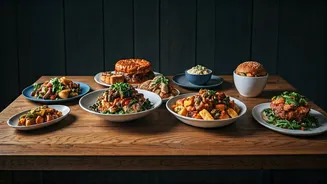
All across the country, regional heroes are having their moment. Take the Chicago Italian beef sandwich. Long a beloved local staple, it was catapulted into the national consciousness by the TV series “The Bear,” sparking cravings and online debates about the perfect “dip.” Suddenly, a messy, glorious, and deeply specific sandwich was the object of national desire. Similarly, Detroit-style pizza, with its thick, focaccia-like crust and crispy, cheesy “frico” edges, has exploded from a Motor City secret into a nationwide obsession, with artisanal shops opening in nearly every major city. And it’s impossible to ignore the conquest of Nashville hot chicken. What was once a single-city specialty is now a fixture on menus from coast to coast, proving that a unique, powerful flavor profile can easily outperform a generic grilled chicken sandwich. These dishes aren't just popular; they are winning because their specificity is their greatest strength. They offer an experience that can't be easily replicated by a corporate chain.
Why the Story Is the Secret Ingredient
What the copy-paste café menu fundamentally lacks is a story. Its ingredients are anonymous, its origins a marketing meeting. A regional classic, on the other hand, is loaded with narrative. It speaks of immigrant communities, local agriculture, economic necessity, and generations of family traditions. The pork roll (or is it Taylor Ham?) on a Jersey breakfast sandwich tells a story of 19th-century industrial food production. The go-cup of a New Orleans daiquiri tells a story of the city’s unique public consumption laws and celebratory culture. When a restaurant builds its identity around a regional classic, it’s not just selling food. It’s selling a story, a point of view, and a connection to a real place. This is a powerful differentiator in a crowded market. It gives diners a reason to choose that restaurant over the five other, nearly identical options down the street. It’s a move from transactional eating to experiential dining, and it’s a sign that the American palate is maturing beyond bland uniformity.