



The Gym as a Film Set
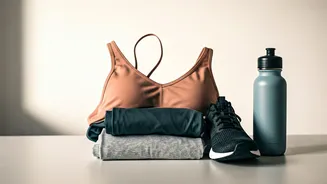
For years, social media feeds have been dominated by a specific fitness aesthetic. Think seamless, earth-toned leggings with a perfectly matching sports bra, slicked-back hair, a Stanley cup in hand, and flawless lighting that somehow exists even in a crowded
commercial gym. This was the era of the “gym-fluencer,” where the workout itself often seemed secondary to the content it could produce. The gym became a stage, and the outfit was the costume. This culture, often dubbed 'fitspo' (fitness inspiration), created a high barrier to entry. It subtly communicated that to belong, you needed not just a membership, but a specific look—one that often came with a hefty price tag from boutique activewear brands.
Consistency Over Curation
A noticeable counter-movement is now taking hold. Instead of meticulously planned outfits, a growing number of young people are prioritizing the simple act of showing up. The new status symbol isn't a $120 workout set; it's the unglamorous, behind-the-scenes discipline of building a habit. On platforms like TikTok, the conversation is shifting. You’re now just as likely to see a video of someone heading to the gym in an old t-shirt and mismatched shorts, with the caption celebrating their 50th consecutive day, as you are to see a posed photo in new gear. This pivot from curation to consistency reflects a deeper desire for authenticity. It suggests that the ultimate goal isn't to look like you have it all together, but to actually put in the work to feel better, physically and mentally.
Redefining 'Fitness Content'
This shift is also changing what qualifies as engaging fitness content. The hyper-aspirational 'that girl' aesthetic—which romanticized waking at 5 a.m. for green juice and a punishing workout—is facing a backlash. Gen Z, a generation acutely aware of burnout, is gravitating toward more realistic and sustainable portrayals of health. Enter trends like 'cozy cardio,' where people find joy in low-impact movement like walking on a treadmill while watching a movie, or the rise of fitness creators who openly discuss their struggles with motivation. The focus is less on 'no days off' intensity and more on finding a routine that you can stick with for the long haul, even on days when you don’t feel like it. The performance is for an audience of one: yourself.
A Quiet Backlash to Perfection
So, why is this happening now? It’s a convergence of factors. Economically, with inflation and rising costs of living, splurging on trendy activewear simply isn't a priority for many. Culturally, there's a growing fatigue with the pressure to maintain a perfect online persona. The pandemic reset many people's relationship with exercise, moving it from a public activity to a private form of self-care. This shift is a quiet rebellion against the commodification of wellness. It’s a return to the core purpose of movement: to feel strong, to relieve stress, and to build a healthy relationship with one's body, not to collect likes. It champions the idea that the most important part of your workout isn't the outfit you wear, but the fact that you showed up at all.