



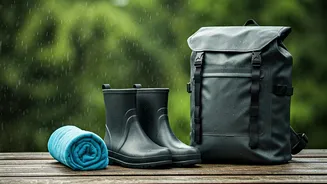
List #1: The Quick-Dry Wardrobe
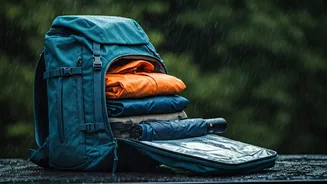
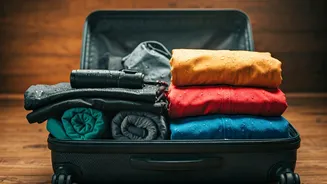
Forget cotton. When traveling in a monsoon climate, your packing list should be dominated by materials that shed water and dry overnight. Think synthetic blends, merino wool, and athletic wear. A lightweight, breathable, and truly waterproof rain jacket
is your single most important investment. Don’t skimp here; a cheap poncho will leave you clammy and miserable. For footwear, pack two options: a pair of sturdy, waterproof walking shoes with good grip for slick streets, and a pair of open-toed, rubber sandals or flip-flops that can get soaked without being ruined. These are perfect for quick errands or navigating a temporarily flooded path. Pack fewer items than you think you need, but make sure they are the right ones. The goal is to stay comfortable, not to carry a closet full of soggy clothes.
List #2: The Waterproof Everything List
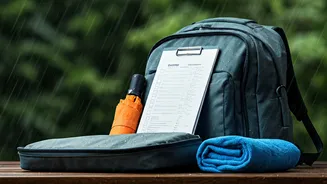
Water finds a way. Your second list should focus on creating a fortress for your valuables. Start with a waterproof backpack or a reliable rain cover for your existing bag. Inside, use a system of dry bags—the kind kayakers use—to compartmentalize your belongings. Have one for electronics, one for your passport and important documents, and another for a change of dry clothes. Even a simple set of heavy-duty Ziploc bags can be a lifesaver. This strategy isn’t just about protecting your gear from a downpour; it’s about peace of mind. Knowing your phone, camera, and passport are sealed and safe allows you to walk through a drizzle without a knot of anxiety in your stomach. It’s the difference between seeing the rain as an obstacle and seeing it as part of the atmosphere.
List #3: The Health and Safety Checklist
Wet climates can introduce specific health considerations. Your health list should start with a good insect repellent containing DEET or picaridin, as standing water is a breeding ground for mosquitoes that can carry illnesses like dengue fever or malaria. Check CDC recommendations for your specific destination well in advance. Your first-aid kit should be tailored for the tropics: include antiseptic wipes, waterproof bandages, anti-itch cream for bug bites, and medication for stomach issues, which can sometimes arise from changes in water and food. Also, pack a small supply of any prescription medications, along with a copy of your prescription. Finally, add rehydration salts to your kit. In a hot and humid environment, it’s easy to get dehydrated, and these can help you recover quickly.
List #4: The Digital Backup List
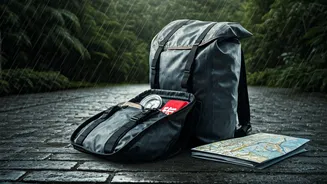
In a heavy storm, power and Wi-Fi can be unreliable. Your digital prep list ensures you’re self-sufficient. Before you leave, download offline maps of your area on Google Maps or a similar app. Take photos of your passport, visa, flight confirmations, and hotel reservations, and save them to a cloud service and directly on your phone. A fully charged power bank isn't a luxury; it's a necessity. Consider one with enough capacity to charge your phone two or three times. Finally, create a simple digital note with all your emergency contacts: your hotel’s address and phone number, the local emergency services number, and the contact information for the nearest U.S. embassy or consulate. Having this information accessible without an internet connection is a simple step that provides immense security.
List #5: The 'Embrace the Downtime' Plan
Monsoon travel inevitably means some plans will be rained out. Instead of seeing this as a failure, plan for it. This list is about what to do when you’re happily stuck indoors. Download a few movies or a season of a show to your tablet. Pack a book you’ve been meaning to read. Bring a deck of cards or a small travel game. Research cozy cafes or museums that you can retreat to when the heavens open. This mental shift is crucial. A torrential downpour isn’t ruining your day; it's giving you a mandatory break to relax, read, and watch the storm from a dry, comfortable vantage point. By planning for downtime, you transform an inconvenience into a welcome, peaceful part of the experience.