




The Collapse of the 'Perfect' Diet
Remember when fat was the enemy? Then it was carbs. Then gluten. For generations, the wellness industry operated on a simple premise: a single, universal set of rules could deliver health and weight loss to the masses. Books were sold, programs were licensed,
and frozen meals were stocked based on the idea that if everyone just followed the *plan*—be it Atkins, South Beach, or Paleo—they’d achieve their goals. The problem? For most people, it didn't work. At least, not for long. The phenomenon of 'yo-yo dieting,' where weight is lost only to be regained (and often surpassed), became a cultural punchline rooted in a frustrating reality. This model created a cycle of restriction, guilt, and failure, leaving millions feeling like the problem was their lack of willpower, not the flawed, one-size-fits-none system they were sold.
The Rise of Bio-Individuality
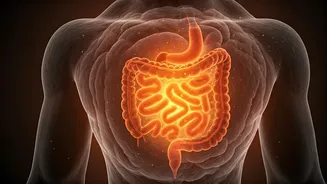
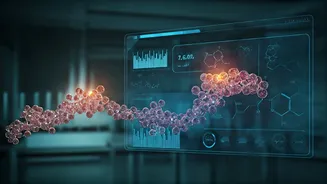
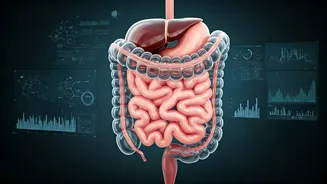
The first major crack in the generic diet empire came from technology. Instead of asking people to conform to a diet, a new wave of companies began asking: what if the diet could conform to the person? This is the dawn of bio-individuality, powered by data. Startups like Zoe and Levels brought continuous glucose monitors (CGMs)—once reserved for diabetics—to the mainstream. Suddenly, you could see in real-time how a banana spiked your blood sugar differently than your friend’s. DNA testing kits offered (with varying degrees of scientific rigor) to tell you whether you were predisposed to metabolize caffeine slowly or if a high-protein diet was 'right' for your genes. Microbiome analysis promises to decode your gut health to recommend specific foods. While the science on some of these methods is still evolving, the core concept is revolutionary: your body has a unique operating system, and the goal is to find its user manual, not force it to run someone else's software.
The Rebellion Against Restriction
Running parallel to the high-tech bio-hacking movement is a powerful cultural rebellion that requires no devices at all: the anti-diet movement and the rise of intuitive eating. This philosophy argues that the entire concept of 'dieting' is the problem. It posits that humans are born with an innate ability to regulate their food intake based on hunger, fullness, and satisfaction cues. Decades of diet culture, with its 'good food' vs. 'bad food' mentality, have silenced those internal signals. Intuitive eating is the process of unlearning the rules and relearning how to trust your body. It rejects the scales, calorie counting, and the moralization of food. Instead of asking 'Am I allowed to eat this?', the question becomes, 'What does my body need right now?' For a generation exhausted by the endless cycle of restriction and shame, this message of freedom and self-trust is profoundly resonant.
Navigating the New Food Frontier
So, where does this leave the average person trying to eat better? The new landscape is more complex but also more empowering. The decline of the generic diet doesn’t mean a free-for-all; it means the era of personal responsibility is shifting from 'following the rules' to 'getting to know yourself.' Some will gravitate toward the data, using CGMs to find the carbohydrate sources that work best for their metabolism. Others will find liberation in the anti-diet framework, healing their relationship with food by ditching rules altogether. Many will land somewhere in the middle, using a little data and a lot of intuition to build a sustainable, enjoyable way of eating. The unifying thread is a rejection of external, top-down authority in favor of internal wisdom, whether that wisdom is sourced from a blood sugar graph or a gut feeling.