






1. Know Your El Niño Zone
First, understand that El Niño doesn't mean universal rain. It’s a climate pattern that shifts weather systems, typically making some areas wetter and others drier. During a strong El Niño winter, the southern tier of the U.S.—from Southern California
across to the Gulf Coast and Florida—tends to receive above-average precipitation. Meanwhile, the Pacific Northwest and parts of the Ohio Valley might be warmer and drier than usual. Before you book, check the latest seasonal outlooks from a reliable source like the National Oceanic and Atmospheric Administration (NOAA). A trip to Seattle might be surprisingly sunny, while a Los Angeles getaway could require more than just sunglasses. This isn't about canceling plans; it's about aligning your expectations and packing list with climate reality.
2. Gear Up Smarter, Not Heavier
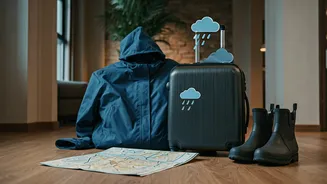
The key to comfortable rainy travel is the right gear—and that doesn’t mean a bulky, non-breathable poncho that turns you into a walking sauna. Think in layers. A high-quality, lightweight, and truly waterproof (not just water-resistant) outer shell is your best friend. Look for materials like Gore-Tex or similar proprietary waterproof-breathable fabrics. Underneath, pack moisture-wicking base layers made of merino wool or synthetics, which pull sweat away from your skin. Cotton, on the other hand, gets damp and stays damp. The same logic applies to your feet. A good pair of waterproof hiking shoes or stylish boots will make a world of difference, keeping you dry and comfortable while you’re out exploring. A soggy pair of sneakers can effectively end a day of sightseeing.
3. Build a Flexible, Two-Track Itinerary
Hope for the best, but plan for the wet. Instead of a rigid, sun-dependent schedule, create a “two-track” itinerary. For every outdoor activity like a long hike, beach day, or garden tour, have a compelling indoor alternative ready to go. Research the area’s best museums, art galleries, historic theaters, cozy independent bookstores, or craft breweries. A sudden downpour becomes less of a trip-ruiner and more of a simple pivot. Frame it as an opportunity: “If it rains, we finally get to check out that famous aquarium.” This tactical shift turns potential disappointment into a planned experience, giving you control over your vacation, no matter what the sky decides to do.
4. Embrace the Shoulder Hours and the Mood
In many regions, especially in the South and Southeast, rain often arrives in the form of intense but brief afternoon thunderstorms. A tactical traveler uses this to their advantage. Plan your most important outdoor activities for the morning, when skies are often clearer. Use the midday storm to relax, have a long lunch, or visit one of your indoor backup spots. As the storm passes, you’re often rewarded with dramatic, moody skies, cleaner air, and fewer crowds for an evening stroll. A rainy day also offers a different kind of beauty. Fog-shrouded coastlines, glistening city streets, and the vibrant green of a rain-soaked forest have their own unique, atmospheric charm. Don’t just tolerate the rain—look for the photo-ops it creates.
5. Scrutinize Your Transportation and Insurance
Rain affects how you get around. If you're renting a car, don't just grab the keys and go. Do a quick check of the windshield wipers and tire tread. In a downpour, worn-out wipers or balding tires are a serious safety hazard. Build extra time into your driving schedule to account for slower, slicker road conditions. On the flight front, remember that severe weather can cause delays or cancellations. When booking, consider travel insurance that specifically covers weather-related disruptions. Read the policy carefully to understand what is and isn't covered. Having that safety net can save you a lot of money and stress if your travel plans are significantly impacted by an El Niño-fueled storm system.