






The Challenge: A Beautiful Chaos
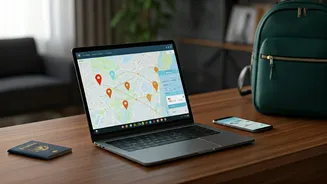
To understand why travel bots are having such a moment in India, you first have to appreciate the beautiful chaos of planning a trip there. Imagine orchestrating travel across a subcontinent with 22 official languages, one of the world's largest and most
labyrinthine rail networks, thousands of cities, and a vast spectrum of accommodation from five-star hotels to unrated guesthouses. For generations, this meant relying on local travel agents, word-of-mouth, and a healthy dose of patience. The digital revolution brought booking websites, but they often just put a new face on the old complexity. Price-sensitive consumers were left to juggle dozens of open tabs, comparing flights, trains, and buses, all while trying to decipher regional naming conventions and fluctuating prices. It’s a market that was practically begging for a smarter solution—something that could act as a personal, all-knowing travel agent in your pocket.
Enter the AI-Powered Concierge
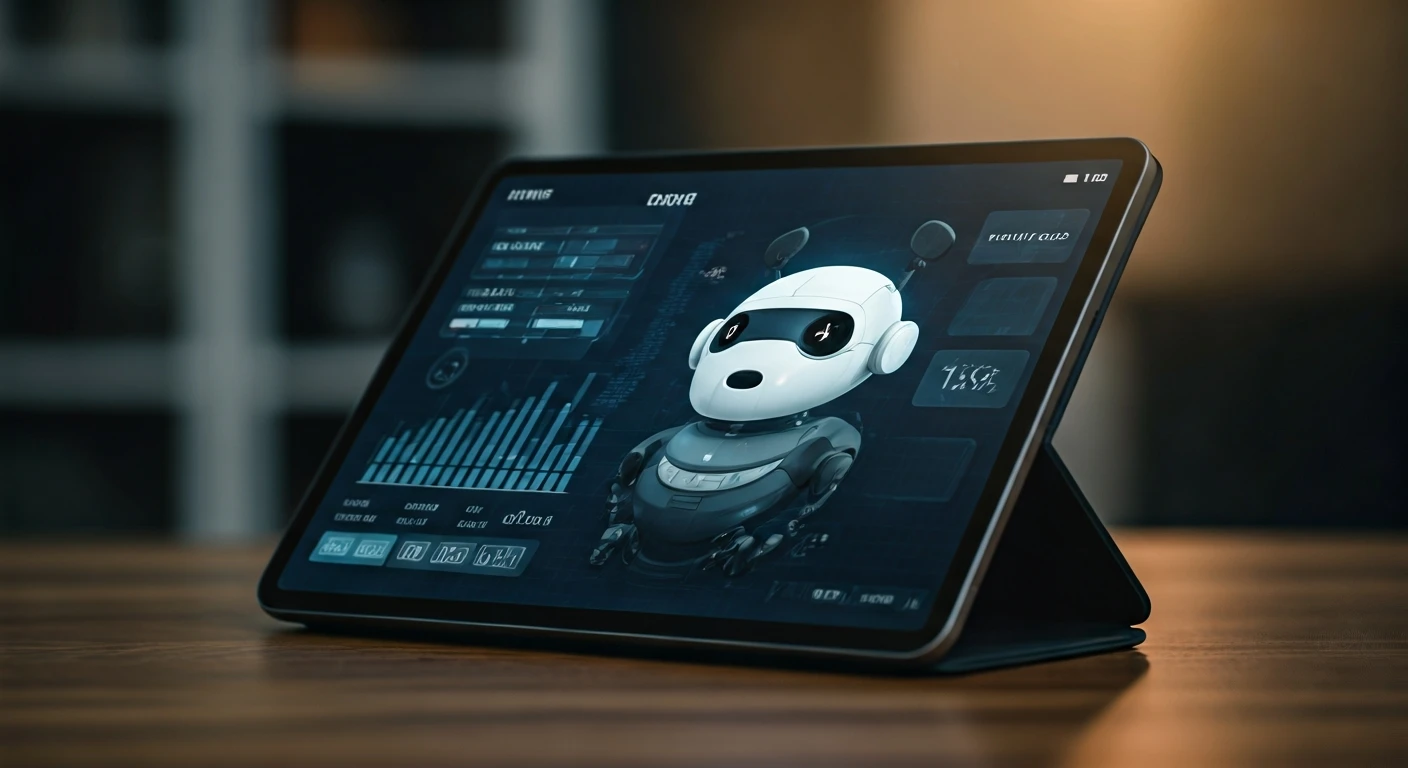
This is where AI, specifically in the form of chatbots and recommendation engines, has found a perfect use case. Leading Indian online travel agencies like MakeMyTrip, Ixigo, and Goibibo have invested heavily in developing sophisticated AI assistants. These aren't the clunky, first-generation chatbots that could barely handle a simple FAQ. Instead, they are AI-powered concierges designed to understand natural language, context, and user intent. Leveraging natural language processing (NLP), they can parse queries in 'Hinglish' (a popular blend of Hindi and English) or other regional languages. A user can simply type or speak, “Find me a cheap flight to Mumbai from Delhi for next weekend, leaving after 6 p.m.,” and the bot understands every constraint. It’s a shift from a user having to filter results on a website to simply having a conversation with a digital expert that does the work for them.
Personalization at an Unprecedented Scale
The real game-changer is personalization. These bots learn from every interaction. They remember your preference for window seats, your typical budget for hotels, and your affinity for early morning flights. Using machine learning, they analyze your past searches and bookings—and the behavior of millions of other similar users—to proactively suggest itineraries and deals that you are genuinely likely to be interested in. For instance, if you’ve been searching for trips to mountain destinations, the bot might send you a curated alert about a new boutique hotel in the Himalayas or a flash sale on flights to Shimla. This goes beyond simple booking; it’s about inspiring and shaping travel decisions. In a market of over a billion people, AI is the only way to deliver this level of bespoke service at scale, turning a one-size-fits-all booking platform into a personalized travel partner.
A Glimpse into Travel’s Future
While this trend is booming in India, it offers a fascinating preview of where the travel industry is heading globally, including in the U.S. India’s massive, mobile-first population and hyper-competitive market make it a perfect laboratory for travel tech innovation. Companies are forced to innovate rapidly to solve complex, real-world problems for a demanding customer base. The success of AI in navigating India's travel landscape demonstrates the technology’s power to simplify even the most daunting logistical challenges. The seamless, conversational, and hyper-personalized experience being built for Indian travelers today is likely the blueprint for the travel booking platforms of tomorrow, everywhere. As U.S. companies look to better serve an increasingly diverse and digitally native consumer base, the lessons learned in the bustling Indian market will be invaluable.