




Our Landfills Are Methane Bombs
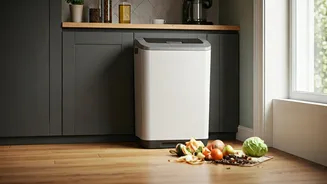
When we talk about landfills, we usually picture mountains of plastic bottles and discarded packaging. But the most dangerous material buried in them is organic. Food scraps, coffee grounds, and lawn clippings make up nearly a third of what Americans
throw away. Trapped under layers of trash without access to oxygen, this organic matter decomposes anaerobically. The result is the production of methane, a greenhouse gas that is over 25 times more potent at trapping heat in the atmosphere than carbon dioxide over a 100-year period. Landfills are the third-largest source of human-related methane emissions in the United States. Diverting organic waste from this system isn’t just about saving space; it's a direct and powerful climate action. By composting this material instead, we allow it to break down in the presence of oxygen, a process that produces a minimal amount of greenhouse gases and avoids the methane problem entirely.
Turning Waste Into 'Black Gold'
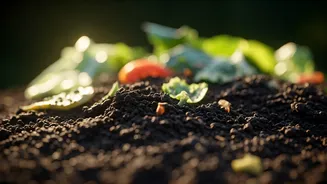
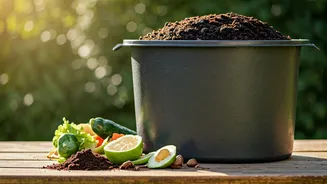
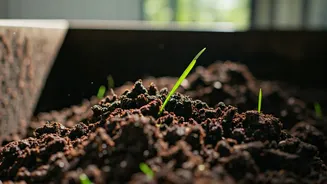
The true genius of composting is that it’s not just a waste reduction strategy—it’s a resource creation strategy. The end product, a dark, crumbly, soil-like material called compost, is often referred to by gardeners as “black gold.” And for good reason. This stuff is packed with nutrients that are essential for healthy plant growth. When cities implement municipal composting programs, they create a valuable resource that can be used to revitalize their own urban landscapes. This compost can enrich the soil in city parks, community gardens, and green infrastructure projects, reducing or eliminating the need for chemical fertilizers. Healthier soil also acts like a sponge, improving water retention and reducing stormwater runoff, a major issue in concrete-heavy urban environments. This helps prevent flooding and lessens the burden on municipal water treatment systems. In essence, cities can use their own waste to build more resilient, greener, and healthier public spaces.
It Makes Economic Sense
For municipal leaders, the environmental arguments are compelling, but the economic case often seals the deal. Sending waste to a landfill isn't free. Cities pay “tipping fees” for every ton of garbage they dump, and these costs are rising as landfills fill up and new ones become harder to site. By diverting a significant portion of their waste stream—the heavy, dense organic material—cities can slash their landfill costs dramatically. San Francisco, a pioneer in municipal composting, has demonstrated this model's success for years. The city mandates composting and recycling, diverting over 80% of its waste from landfills and saving millions in disposal fees. Furthermore, the compost itself is a marketable product. It can be sold to local landscapers, farms, and residents, creating a new revenue stream and supporting a local circular economy. Instead of paying to bury a problem, cities can invest in a system that creates a valuable commodity, saves money, and fosters green jobs.