

From Nostalgia to Status
Walk through any sun-drenched city park or popular brunch spot this summer, and you’ll notice a subtle shift. The loudest outfits are no longer the ones plastered with designer logos. Instead, the real head-turners are quieter, more thoughtful ensembles:
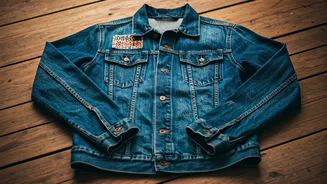
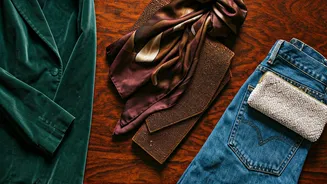
a perfectly worn-in pair of Levi’s cut-offs, a 1970s-style crochet top that looks genuinely hand-made, or a breezy linen dress that seems plucked from a postcard of the Italian Riviera circa 1985. This isn’t just about wearing old clothes. It’s the intentional curation of a vintage aesthetic, a new and increasingly potent form of social currency. In a world saturated with fleeting trends and next-day delivery, the ability to assemble a compelling look from the past has become a powerful way to signal something more valuable than wealth: taste.
The Backlash Against 'New'
Part of vintage’s ascendance is a direct reaction to the relentless churn of fast fashion. For years, the industry operated on a model of constant newness, with micro-trends appearing and disappearing within weeks. But consumers, particularly younger ones, are growing weary. There’s a palpable fatigue with the environmental cost, the questionable labor practices, and the sheer disposability of it all. Choosing a vintage piece is an implicit rejection of that system. It’s a vote for durability, craftsmanship, and individuality. A well-made vintage garment has already proven its quality by surviving for decades. Wearing it says you value longevity over novelty and that you have the patience to find something unique rather than clicking 'add to cart' on the same mass-produced dress as everyone else on your social media feed.
Signaling 'I Know' Over 'I Have'
This is where the idea of a 'taste signal' truly crystallizes. A luxury handbag with a prominent logo signals that you 'have'—you possess the financial means to acquire it. But a perfectly curated vintage look signals that you 'know.' It demonstrates cultural knowledge, a discerning eye, and the effort required to hunt for something special. It implies you understand design history, silhouette, and fabric. You didn't just buy an item; you discovered it. This form of status is more nuanced and, for a growing cohort, more impressive. It suggests a personality and a set of values, not just a bank balance. It’s the difference between buying a painting at a gallery and inheriting a piece from a beloved artist aunt; both are valuable, but one carries a much richer story.
The TikTok Aesthetic Blueprint
Ironically, the very digital platforms that fuel micro-trends are also providing the blueprint for these vintage-inspired macro-aesthetics. Trends like 'Coastal Grandmother' (think Diane Keaton in a Nancy Meyers film, all cashmere and linen) or 'Tomato Girl Summer' (romanticizing a European holiday with gingham, espadrilles, and wicker bags) are codified and disseminated on TikTok and Instagram. These aren't prescriptive shopping lists but stylistic mood boards. They give users a narrative framework and a visual language—'breezy,' 'effortless,' 'romantic,' 'sunkissed'—to guide their vintage and secondhand shopping. It’s a form of curated authenticity, allowing people to participate in a shared aesthetic without buying identical items. The goal isn't to own the official 'Coastal Grandmother' sweater, but to find a vintage piece that *feels* like it belongs in that world.