




The Summer Capital of Adventure
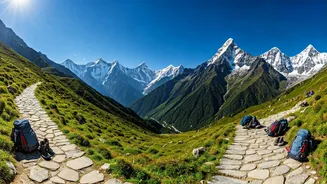
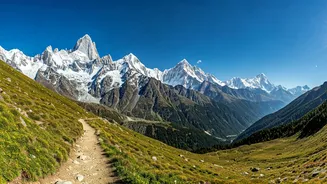
For adventure seekers across India and the world, the northern town of Manali is a legendary gateway. Nestled in the Kullu Valley of Himachal Pradesh, it’s long been a haven for trekkers, mountaineers, and those simply looking to escape the blistering
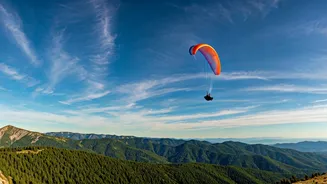
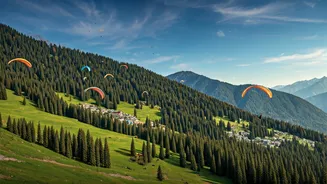
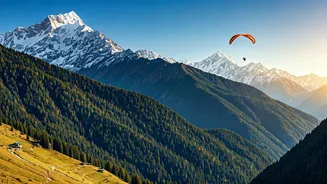
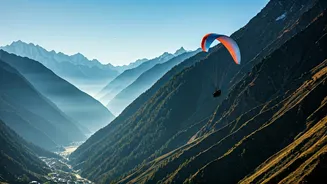
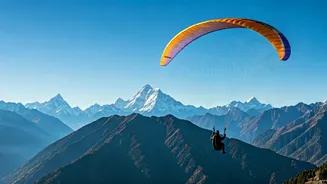
heat of the Indian plains. But as May gives way to June, the town’s character shifts. The buzz, already building through spring, reaches a fever pitch. While the headline suggests paragliding *keeps* the buzz alive, the reality is more spectacular: paragliding is the very heart of the buzz. June is peak season, and the sight of dozens of colorful paragliders dotting the sky becomes the town’s defining feature. It’s the visual soundtrack to early summer in the Himalayas, a constant, graceful dance against a backdrop of snow-capped peaks and impossibly blue skies. Before the monsoons arrive in July to wash the landscape and ground most flights, June is the month when Manali truly takes flight.
A Bird's-Eye View of the Himalayas
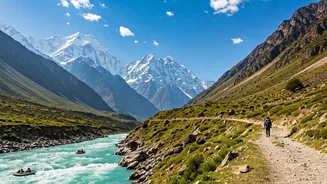
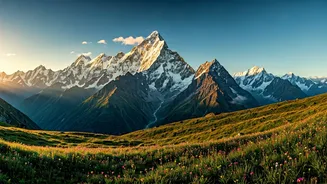
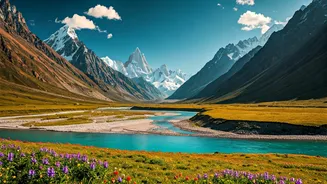
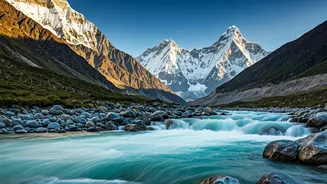
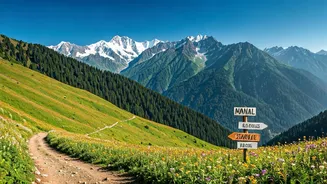
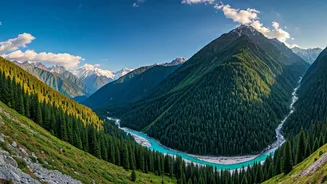
The main stage for this aerial spectacle is the Solang Valley, a stunning alpine meadow just a short drive from Manali. Here, and in nearby spots like Dobhi and Marhi, tandem paragliding operations are in full swing. For most visitors, this is the accessible thrill of a lifetime. Strapped to an experienced pilot, you run towards the edge of a gentle slope, the canopy billows up behind you, and in a few steps, the ground simply falls away. The initial rush of adrenaline quickly gives way to a profound sense of serenity. Floating hundreds of feet in the air, the world becomes silent except for the whisper of the wind in the chute. Below, the Beas River snakes through the valley like a silver ribbon. Across the horizon, the formidable Pir Panjal and Dhauladhar ranges of the Himalayas stand guard, their peaks still holding onto winter’s snow. A standard flight might only last 10 to 15 minutes, but the perspective it offers—of the sheer scale and grandeur of the mountains—is unforgettable. It’s the ultimate postcard view, delivered in person.
More Than Just a Tourist Thrill
What appears to be a simple tourist activity is, in fact, a cornerstone of the local economy. The paragliding industry in and around Manali supports hundreds, if not thousands, of people. It’s not just the pilots, many of whom are local men who have turned their passion for the mountains into a profession. It’s also the ground crews, the jeep drivers who ferry adventurers up the winding mountain roads to launch sites, the booking agents in town, and the small tea stalls and cafes that cater to the crowds. For many villages in the Kullu Valley, paragliding has provided a vital source of income that is less dependent on traditional agriculture. This economic engine has helped preserve a way of life, allowing communities to thrive while sharing their incredible natural heritage with the world. The sport has become woven into the cultural fabric of the region, a symbol of modern opportunity in an ancient landscape.
Navigating the Blue Yonder
The sport's immense popularity hasn't come without challenges. Over the years, the regional government has stepped in multiple times to enforce safety standards, register pilots, and regulate the industry to ensure its long-term sustainability. The result is a more professional and organized operation than in the sport’s early, more freewheeling days. Today, pilots are certified, equipment is regularly checked, and designated zones for take-off and landing are strictly managed. This maturation of the industry is a positive sign for travelers, ensuring that the experience is not only thrilling but also adheres to established safety protocols. It’s a testament to how seriously the community takes its role as a premier global destination for adventure sports. For anyone considering a trip, it means you can focus on the breathtaking views, confident in the expertise of the person flying the canopy.