



Beyond the Cream and Curry
When you think of Indian food, what comes to mind? For many Americans, it’s a comforting bowl of chicken tikka masala, a generous scoop of saag paneer, and a basket of warm garlic naan. This is the food of the North Indian, specifically Punjabi, restaurants
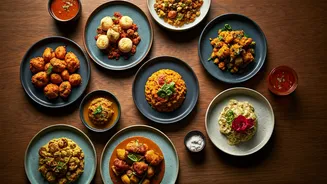
that first introduced the cuisine to the West. While delicious, this heavy, cream-laden fare represents only a sliver of India’s vast culinary landscape. It’s the equivalent of judging all American food by the standards of a Texas steakhouse. Now, a new generation of chefs, cookbook authors, and home cooks is pushing back against this monolithic perception. The burgeoning “mindful” movement in Indian food isn't about deprivation or blandness. Instead, it’s a conscious turn towards the kind of food that is actually eaten in Indian homes: lighter, seasonal, and incredibly diverse.
A Return to Regional Roots
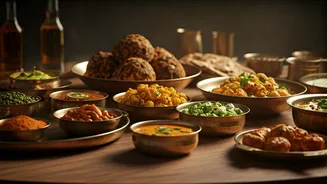
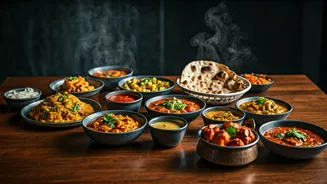
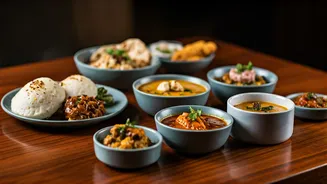
The most significant aspect of this mindful shift is the passionate exploration of regionality. India is a country with dozens of distinct culinary traditions, each shaped by its own climate, agriculture, and history. The heavy, wheat-based dishes of the North are worlds apart from the light, coconut-and-rice-based cuisine of coastal Kerala in the South. The complex, mustard-oil-infused flavors of Bengali food have little in common with the sweet and savory vegetarian meals of Gujarat. In cities across the U.S., restaurants are emerging that proudly showcase these differences. Diners are discovering the sour tang of tamarind in a South Indian sambar, the delicate steamed fish of the East, and the fermented goodness of a dosa. This isn't just about new flavors; it's about a deeper, more authentic connection to Indian culture. It’s an acknowledgment that “curry” is not a single flavor, but a universe of spice blends and cooking styles.
Health as Heritage
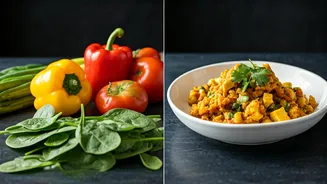
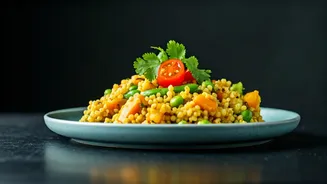
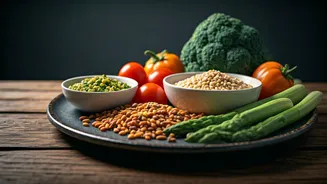
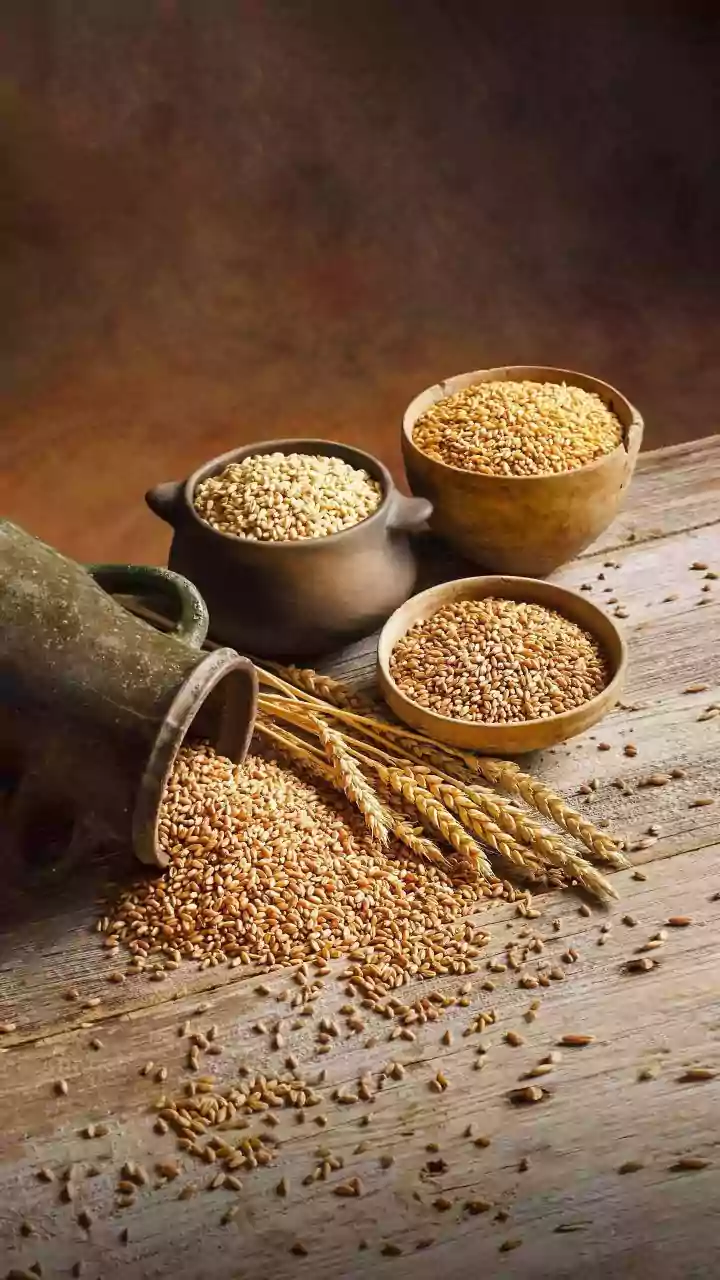
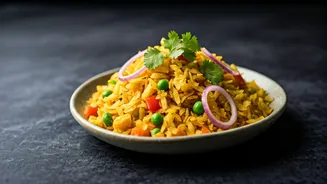
Mindfulness is also about health. Traditional Indian home cooking is intrinsically healthy, built on a foundation of vegetables, lentils, whole grains, and spices with Ayurvedic properties. The over-the-top richness of much restaurant fare was often an attempt to signal luxury. The new mindfulness strips that away to reveal the cuisine’s nutritious core. This means using ghee and oil more judiciously, just as one would at home. It means embracing ancient grains like millet and sorghum instead of relying solely on white rice and refined flour. It also involves a renewed focus on India’s incredible vegetarian heritage. With a deep well of plant-based recipes that are flavorful by design—not as afterthoughts—Indian food is perfectly positioned for the modern, wellness-oriented diner who wants food that both tastes good and feels good.
Telling a Better Story
Ultimately, this movement is about storytelling. Chefs are no longer content to serve dishes without context. They are explaining the origins of a recipe, the significance of a spice blend, or the story of the community that created it. This adds a layer of intellectual and emotional nourishment to the meal. By connecting food to place, history, and family, these culinary leaders are transforming the act of eating Indian food from a simple transaction into a rich cultural experience. This mindful approach also extends to sourcing. Chefs are pairing traditional Indian techniques with local, seasonal American produce, creating a vibrant fusion that is both sustainable and innovative. It’s a way of honoring the past while firmly rooting the cuisine in its new home.