





You Escape the Tourist Hordes
Let’s be honest: the worst part of any popular destination in July or August isn't the heat; it's the humanity. Packed streets, hour-long waits for a mediocre museum, and selfie sticks blocking the view of, well, everything. When you choose a destination where
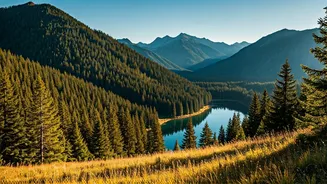
the mercury hovers below 68°F (20°C), you are often traveling in the shoulder season or to a place naturally less crowded in summer. Imagine strolling through the streets of Dublin in a light jacket in June, with room to breathe and locals who aren't yet tired of tourists. Picture exploring the majestic national parks of the Pacific Northwest in September, when the trails are quiet and the air is crisp. This isn't just about comfort; it's about reclaiming the very reason you travel—to see and experience a place, not just the backs of other people’s heads.
Your Wallet Will Thank You
The travel industry operates on a simple principle: supply and demand. During the peak summer months, demand for flights, hotels, and rental cars skyrockets, and so do the prices. A three-star hotel room that costs $150 a night in April can easily command $400 in July. By targeting cooler climes, you’re often opting out of this peak-season price gouging. A trip to Montreal in early October or Scandinavia in late May offers world-class culture and scenery without the financial gut punch. Your vacation budget suddenly stretches further, allowing for a nicer hotel, a memorable meal, or simply the peace of mind that comes from not feeling like you’ve been completely fleeced.
You Can Actually Do Things
There’s a reason cities in hot climates have a siesta. When it’s 95°F and humid, the most ambitious activity you can manage is moving from the sun to the shade. A truly great trip is about exploration and activity, not survival. In a sub-68°F environment, your energy is boundless. You can hike for hours without risking heatstroke. You can spend an entire day walking through a historic city, ducking into shops and cafes without feeling drenched in sweat. You can rent a bike and explore the countryside. In short, you can fill your days with experiences instead of just waiting for the sun to go down so you can finally move without melting. The vacation becomes an adventure again, not an endurance test.
The Joy of Coziness and Better Food
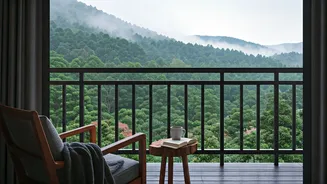
There is a profound, underrated pleasure in needing a sweater. The Danish have a word for it: *hygge*. It’s the feeling of warmth, comfort, and contentment. Think sipping a bold red wine by a crackling fireplace in a Scottish pub after a day of exploring misty hills. Compare that to nursing a lukewarm light beer in a sweaty beach bar. Cool weather unlocks a different, arguably more satisfying, culinary world. Hearty stews, rich pastas, and warm baked goods suddenly make sense. Food isn't just fuel to get you to the next air-conditioned building; it’s an integral part of the cozy, restorative experience. It’s comfort for the soul, not just a salad you eat because it’s too hot for anything else.
You'll Come Home Genuinely Restored
A truly successful vacation should leave you feeling rested and rejuvenated, not depleted. Sweaty, stressful, and overcrowded trips often require a “vacation from the vacation.” You come home tired, irritable, and with a sunburnt T-shirt tan. But when you return from a trip where the climate was your ally, not your adversary, the effect is different. You’ve slept better in cool, quiet hotel rooms. You’ve nourished your body with good food and invigorating walks. You haven't spent your precious time off battling crowds or feeling physically drained by the weather. You return home with clear memories and a clear mind, ready to tackle reality again—which is, after all, the entire point of taking a break in the first place.